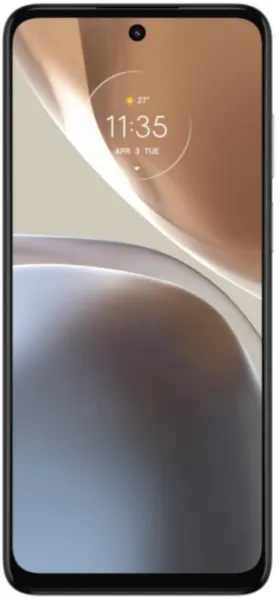
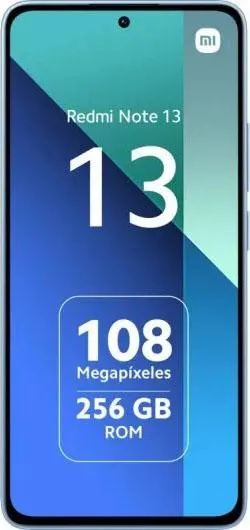
Let's dive into a comparative analysis of the Motorola Moto G32 and the Xiaomi Redmi Note 13 4G, dissecting their specifications and translating them into real-world implications for you.
1. Specifications Breakdown
| Feature | Motorola Moto G32 | Xiaomi Redmi Note 13 4G | Real-World Implications |
|---|---|---|---|
| Design | |||
| Dimensions (mm) | 161.8 x 73.8 x 8.5 | 162.3 x 75.6 x 8.0 | Redmi Note 13 4G is slightly larger and thinner. Negligible difference in daily handling. |
| Weight (g) | 184 | 188.5 | Virtually identical weight; both feel comfortable in hand. |
| Display | |||
| Type | IPS LCD, 90Hz | AMOLED, 120Hz | Redmi Note 13 4G boasts richer colors, deeper blacks, and smoother scrolling thanks to AMOLED and 120Hz. |
| Size (inches) | 6.5 | 6.67 | Redmi Note 13 4G offers a slightly larger screen for more immersive content consumption. |
| Resolution | 1080 x 2400 | 1080 x 2400 | Identical sharpness; both offer crisp visuals. |
| Performance | |||
| Chipset | Snapdragon 680 4G | Snapdragon 685 4G | Redmi Note 13 4G has a slightly faster CPU, but real-world performance differences will be minimal. |
| CPU | Octa-core 2.4 GHz | Octa-core 2.8 GHz | Redmi Note 13 4G should handle demanding tasks slightly better. |
| GPU | Adreno 610 | Adreno 610 | Identical GPUs; similar gaming performance expected. |
| RAM | 6GB | 8GB | Redmi Note 13 4G's extra RAM enables smoother multitasking and app switching. |
| Camera | |||
| Main Camera | 50MP | 108MP | Redmi Note 13 4G offers higher resolution for potentially more detailed photos. |
| Selfie Camera | 16MP | 16MP | Identical selfie camera resolution. |
| Battery Life | |||
| Capacity (mAh) | 5000 | 5000 | Identical battery capacity. Real-world battery life will depend on usage patterns. |
| Charging | 30W Fast Charging | 33W Fast Charging | Redmi Note 13 4G charges slightly faster. |
2. Key Insights
The Redmi Note 13 4G distinguishes itself with its superior AMOLED display, offering vibrant colors and a smoother 120Hz refresh rate. While both phones share the Adreno 610 GPU, the Redmi Note 13 4G edges out the Moto G32 with its slightly faster Snapdragon 685 processor and larger RAM, promising a smoother user experience, especially for multitasking. In the camera department, the Redmi Note 13 4G boasts a significantly higher resolution main sensor (108MP vs. 50MP).
3. User Profiles and Recommendations
Moto G32: Ideal for budget-conscious users who prioritize a clean Android experience and solid battery life. Suitable for everyday tasks like browsing, social media, and casual photography.
Redmi Note 13 4G: Best suited for users who value a vibrant display, smooth performance, and a high-resolution camera. A good choice for mobile gamers, content consumers, and photography enthusiasts.
4. Buying Decision Framework
- Is display quality a top priority? If yes, the Redmi Note 13 4G's AMOLED display is the clear winner.
- How important is multitasking and overall performance? If you frequently switch between apps or engage in demanding tasks, the Redmi Note 13 4G's extra RAM and faster processor will be beneficial.
- What's your budget? While both phones fall in the mid-range category, compare prices in your region to determine the best value for your money.
My Choice: I would personally choose the Xiaomi Redmi Note 13 4G. The AMOLED display at 120Hz is a major draw for me, as I appreciate smooth scrolling and vibrant visuals. The slightly faster processor and extra RAM also offer a future-proofing element, ensuring the phone remains responsive for longer. While the 108MP camera might not always deliver significantly better image quality in practice compared to the Moto G32's 50MP sensor, the overall package offered by the Redmi Note 13 4G aligns better with my preferences for a responsive and visually engaging smartphone experience.
