Motorola Moto G32 vs. Xiaomi Redmi Note 12S: A Comparative Analysis
Hello, fellow tech enthusiasts! Today, we're diving deep into a head-to-head comparison of two popular mid-range contenders: the Motorola Moto G32 and the Xiaomi Redmi Note 12S. Let's dissect their specs, uncover their strengths and weaknesses, and ultimately, help you decide which phone best fits your needs.
1. Specifications Breakdown
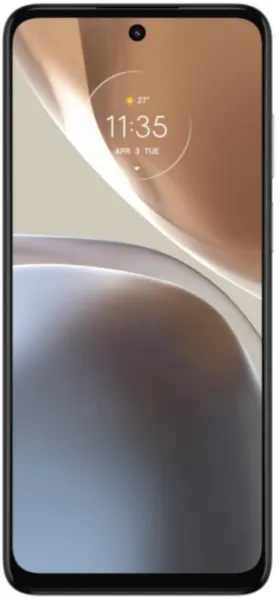
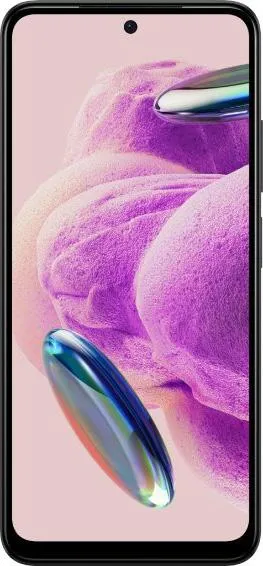
| Feature | Motorola Moto G32 | Xiaomi Redmi Note 12S | Real-World Implications |
|---|---|---|---|
| Design | |||
| Dimensions (mm) | 161.8 x 73.8 x 8.5 | 159.9 x 73.9 x 8.1 | 12S is slightly more compact and lighter. Negligible difference in daily handling. |
| Weight (g) | 184 | 176 | 12S feels slightly lighter in hand. |
| Display | |||
| Type | IPS LCD, 90Hz | AMOLED, 90Hz | 12S offers deeper blacks, more vibrant colors, and better contrast due to AMOLED technology. |
| Size (inches) | 6.5 | 6.43 | Negligible size difference. |
| Resolution | 1080 x 2400 | 1080 x 2400 | Both offer sharp visuals with Full HD+ resolution. |
| Peak Brightness | N/A | 1000 nits | 12S boasts significantly higher peak brightness, improving outdoor visibility. |
| Performance | |||
| Chipset | Snapdragon 680 4G | Helio G96 | G96 generally offers better CPU performance; Snapdragon 680 excels in power efficiency. |
| CPU | Octa-core | Octa-core | Both handle everyday tasks well, but G96 might have a slight edge in demanding apps/games. |
| GPU | Adreno 610 | Mali-G57 MC2 | Comparable GPU performance, but Mali-G57 MC2 might edge out in some gaming scenarios. |
| RAM | 4/6/8GB | 6/8GB | Both offer sufficient RAM for multitasking; 8GB variant provides a smoother experience. |
| Camera | |||
| Main Camera | 50MP | 108MP | 12S offers higher resolution, potentially capturing more detail; image quality depends on processing. |
| Front Camera | 16MP | 16MP | Comparable selfie camera resolution. |
| Battery Life | |||
| Capacity | 5000mAh | 5000mAh | Comparable battery capacity; actual battery life depends on usage patterns. |
| Fast Charging | 30W | 33W | 12S offers slightly faster charging speeds. |
2. Key Insights
- Display: The Redmi Note 12S's AMOLED display is a clear winner, offering richer colors and superior contrast compared to the Moto G32's LCD. This translates to a more immersive viewing experience, especially for media consumption.
- Performance: While benchmark scores might favor the Helio G96 slightly, real-world performance differences are likely to be subtle for everyday tasks. The Snapdragon 680, however, could potentially offer better battery life due to its efficient 6nm architecture.
- Camera: The Redmi Note 12S boasts a 108MP main camera, potentially capturing more detail than the Moto G32's 50MP sensor. However, megapixel count isn't everything; real-world image quality depends heavily on software processing and optimization.
- Software and Updates: The Redmi Note 12S ships with a more recent version of Android (Android 13) giving it an advantage in features and potentially longer software support compared to the Moto G32 which has a max OS version of 13.
3. User Profiles and Recommendations
- Moto G32: Best suited for users prioritizing battery life, a clean Android experience and great value. It's a reliable workhorse for everyday tasks, casual gaming, and general use.
- Redmi Note 12S: Ideal for users who value a vibrant display for media consumption, slightly faster performance, and a higher-resolution camera. It caters to mobile gamers, photography enthusiasts, and those seeking a more feature-rich experience.
4. Buying Decision Framework
- Are you a heavy media consumer? If yes, the Redmi Note 12S's AMOLED display offers a significant advantage.
- Is a high-resolution main camera a top priority? If so, the 108MP sensor on the Redmi Note 12S is worth considering.
- Are you on a tight budget? The Moto G32 often offers excellent value for its price, especially if battery life is a primary concern.
My Choice: The Xiaomi Redmi Note 12S
If I were choosing between these two, I'd opt for the Xiaomi Redmi Note 12S. The AMOLED display is a game-changer for me, as I frequently consume media on my phone. The superior contrast, vibrant colors, and higher peak brightness make a noticeable difference in the viewing experience. While the performance difference might be minimal in everyday use, the brighter, more modern display, coupled with the more up-to-date Android version pushes the Redmi Note 12S ahead for me. The slightly faster charging is a welcome bonus. Though the Moto G32 is a solid contender, especially for its price, the visual experience and updated OS of the 12S edges it out in my book.
