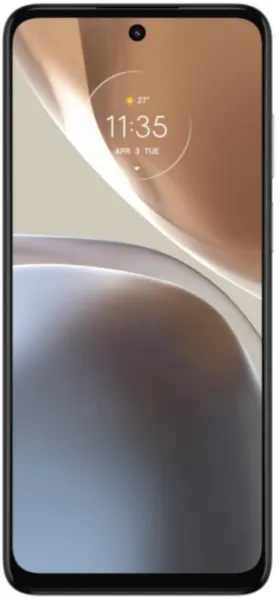
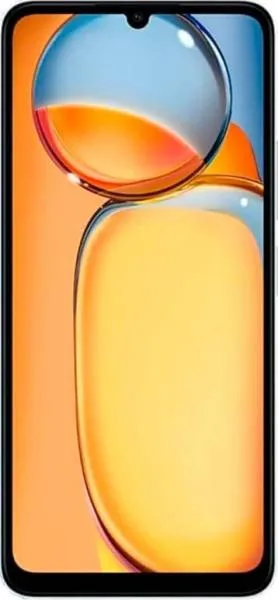
Motorola Moto G32 vs. Xiaomi Redmi 13C: A Comparative Analysis
The mid-range smartphone market is fiercely competitive, with devices vying for attention with compelling features and aggressive pricing. Today, we dissect two contenders: the Motorola Moto G32 and the Xiaomi Redmi 13C. Both offer large displays and ample battery life, but key differences in performance, camera capabilities, and display quality set them apart. Let's dive deep.
1. Specifications Breakdown
| Feature | Motorola Moto G32 | Xiaomi Redmi 13C | Real-World Implications |
|---|---|---|---|
| Design | |||
| Dimensions (mm) | 161.8 x 73.8 x 8.5 | 168 x 78 x 8.1 | Redmi 13C is slightly larger and heavier. Moto G32 might feel more comfortable for one-handed use. |
| Weight (g) | 184 | 192 | Noticeable difference in hand, Redmi 13C may feel less portable. |
| Display | |||
| Size (inches) | 6.5 | 6.74 | Redmi 13C boasts a larger screen for more immersive content consumption. |
| Resolution | 1080 x 2400 | 720 x 1600 | Moto G32 offers significantly sharper visuals due to higher pixel density (405 ppi vs 260 ppi). |
| Type | IPS LCD, 90Hz | IPS LCD, 90Hz | Both offer smooth scrolling and animations thanks to the 90Hz refresh rate, but Moto G32's is crisper. |
| Performance | |||
| Chipset | Snapdragon 680 | Helio G85 | Snapdragon 680 generally provides better power efficiency. Helio G85 might offer a slight edge in raw CPU performance in some benchmarks, but real-world differences will be minimal. |
| CPU | Octa-core | Octa-core | Both are capable for daily tasks, but demanding apps and multitasking might show minor performance variations. |
| GPU | Adreno 610 | Mali-G52 MC2 | Adreno 610 generally offers a better gaming experience. |
| RAM | Up to 8GB | Up to 8GB | Both offer configurations for smooth multitasking, but the performance depends on the specific variant chosen. |
| Camera | |||
| Main Camera | 50MP | 50MP | Both utilize a 50MP Samsung JN1 sensor. Image quality will likely depend more on software processing. |
| Ultrawide | 8MP | None | Moto G32 offers ultrawide photography for capturing broader scenes. A significant advantage for Moto G32. |
| Selfie Camera | 16MP | 8MP | Moto G32's higher resolution selfie camera is likely to produce more detailed self-portraits. |
| Battery | |||
| Capacity | 5000 mAh | 5000 mAh | Comparable battery capacities suggest similar longevity. |
| Charging | 30W Fast Charging | 18W Fast Charging | Moto G32 charges significantly faster, reducing downtime. |
| Other | |||
| NFC | Yes | Yes | Both support contactless payments. |
| OS | Android 12 (up to 13) | Android 13 | Moto G32 has a proven track record of updates. Redmi 13C's long-term update support remains to be seen. |
2. Key Insights
- Display Quality: The Moto G32's Full HD+ display delivers significantly sharper visuals than the Redmi 13C's HD+ display. This difference will be noticeable when watching videos, browsing photos, and playing games.
- Performance: While both chipsets are capable for daily use, the Snapdragon 680 in the Moto G32 generally provides better power efficiency and GPU performance for gaming, potentially leading to longer battery life and smoother gameplay.
- Camera Versatility: The Moto G32's inclusion of an ultrawide lens provides more versatility for capturing landscapes and group photos. The Redmi 13C lacks this feature.
- Charging Speed: The Moto G32's 30W fast charging significantly outpaces the Redmi 13C's 18W charging, minimizing downtime.
- Software Updates: Motorola has a better track record of providing timely software updates compared to Xiaomi, particularly in the mid-range segment. This could mean longer-term software support and security updates for the Moto G32.
3. User Profiles and Recommendations
- Moto G32: Best suited for users who prioritize display quality, camera versatility, faster charging, and potentially longer software support. Ideal for media consumption, mobile gaming, and photography enthusiasts.
- Redmi 13C: A budget-friendly option for users primarily focused on basic tasks like calling, texting, browsing, and social media. The larger screen size might appeal to those who consume a lot of video content but are less sensitive to resolution.
4. Buying Decision Framework
- What is your budget? The Redmi 13C is generally more affordable. If price is a primary concern, it offers good value for basic needs.
- How important is display quality? If you value sharp visuals, the Moto G32's Full HD+ display is a clear winner.
- What are your primary use cases? For gaming, media consumption, and photography, the Moto G32 offers a better overall experience. For basic communication and web browsing, the Redmi 13C is sufficient.
My Choice: I would choose the Motorola Moto G32. The sharper display, superior camera versatility (ultrawide lens), faster charging, and generally more reliable software update cycle are compelling advantages. While the Redmi 13C offers a larger display and lower price, these benefits don't outweigh the G32's strengths for my personal needs and preferences. I value a well-rounded device that excels in multiple areas, and the Moto G32 delivers precisely that. The slightly higher price is a worthwhile investment for the long-term benefits it offers.
