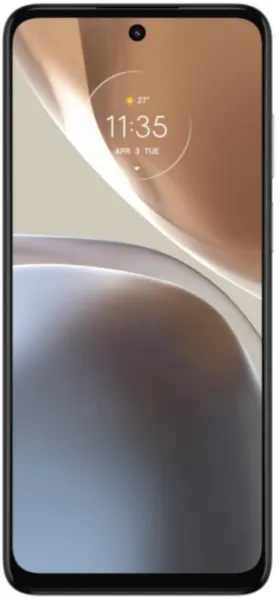
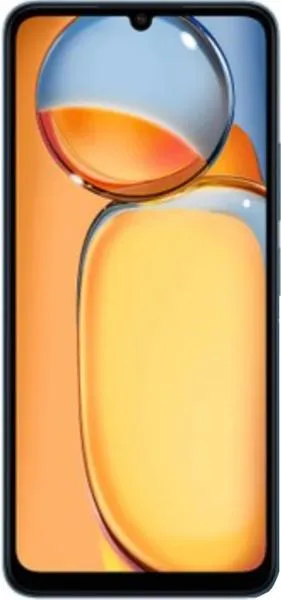
Motorola Moto G32 vs. Xiaomi Poco C65: A Detailed Comparison
Let's dive into a head-to-head comparison of the Motorola Moto G32 and the Xiaomi Poco C65, dissecting their specs and uncovering what they truly offer the everyday user.
1. Specifications Breakdown
| Feature | Motorola Moto G32 | Xiaomi Poco C65 | Real-World Implications |
|---|---|---|---|
| Design | |||
| Dimensions (mm) | 161.8 x 73.8 x 8.5 | 168 x 78 x 8.1 | Poco C65 is slightly larger and heavier. Moto G32 might feel more compact in hand. |
| Weight (g) | 184 | 192 | Noticeable difference in weight, though both are relatively light. |
| Display | |||
| Size (inches) | 6.5 | 6.74 | Poco C65 offers a larger screen for more immersive media consumption. |
| Resolution | 1080 x 2400 | 720 x 1600 | Moto G32 boasts significantly sharper visuals due to higher resolution and pixel density (405 ppi vs. 260 ppi). Text and images will be crisper. |
| Refresh Rate | 90Hz | 90Hz | Both phones offer smooth scrolling and animations. |
| Type | IPS LCD | IPS LCD | Expect similar color reproduction and viewing angles, though real-world display quality can vary. |
| Performance | |||
| Chipset | Snapdragon 680 | Helio G85 | Snapdragon 680 generally offers better power efficiency. Helio G85 might have a slight edge in raw performance, but benchmarks will tell more. |
| CPU | Octa-core | Octa-core | Core configurations differ; real-world performance depends on optimization and usage patterns. |
| GPU | Adreno 610 | Mali-G52 MC2 | Adreno 610 generally provides a smoother gaming experience. |
| RAM | 4/6/8GB | 4/6/8GB | RAM options are comparable; more RAM enables better multitasking. |
| Storage | 64/128/256GB | 128/256GB | Moto G32 offers a smaller base storage option. |
| Camera | |||
| Main Camera | 50MP | 50MP | Both use the same Samsung JN1 sensor, promising good image quality. Real-world performance depends on software processing. |
| Secondary Cameras | 8MP ultrawide, 2MP macro | 2MP depth, 2MP macro | Moto G32's ultrawide lens offers greater versatility than Poco C65's depth sensor. |
| Selfie Camera | 16MP | 8MP | Moto G32 has a higher resolution selfie camera. |
| Battery Life | |||
| Capacity | 5000mAh | 5000mAh | Similar battery capacities suggest comparable longevity. |
| Charging | 30W Fast Charging | 18W Fast Charging | Moto G32 charges significantly faster. |
| Other | |||
| NFC | Yes | Yes | Both support contactless payments. |
| OS | Android 12 (up to 13) | Android 13 | Moto G32 has a confirmed update path to Android 13. Poco C65 is newer so it could have more updated to come. |
| Price | Mid-range | Budget-friendly | Poco C65 is generally more affordable. |
2. Key Insights
- Display: The Moto G32's sharper display is a major advantage for media consumption and overall clarity.
- Performance: While both chipsets are capable, the Snapdragon 680 in the Moto G32 likely offers better efficiency, potentially leading to longer battery life under similar usage. The Adreno 610 GPU may have an advantage for some games.
- Camera: Both phones feature a 50MP main camera, but the Moto G32's inclusion of an ultrawide lens provides more shooting flexibility.
- Charging: The Moto G32's 30W fast charging significantly outpaces the Poco C65's 18W, minimizing downtime.
- Value: The Poco C65 offers a larger display and larger base storage for a lower price, making it appealing for budget-conscious buyers.
3. User Profiles and Recommendations
- Moto G32: Best suited for users who prioritize display quality, a versatile camera system, and faster charging. Ideal for media consumption, light gaming, and everyday tasks.
- Poco C65: A good choice for budget-conscious users who prefer a large screen and ample storage. Suitable for basic tasks, social media, and casual gaming. The lower price makes it attractive for those seeking maximum value.
4. Buying Decision Framework
- What is your budget? If price is a primary concern, the Poco C65 offers excellent value.
- How important is display quality? If you value sharp visuals, the Moto G32 is the clear winner.
- What are your photography needs? The Moto G32's ultrawide lens adds versatility for capturing landscapes and group photos.
My Choice: As a tech journalist who values performance, a good display, and a versatile camera, I would choose the Motorola Moto G32. The sharper display, faster charging, and the inclusion of an ultrawide lens outweigh the Poco C65's price advantage for my personal needs. The slightly smaller size of the G32 also appeals to me. While the Poco C65 provides incredible value, the G32 offers a more well-rounded experience that aligns better with my daily usage patterns.
