Motorola Moto G32 vs. Xiaomi 13 Lite: A Detailed Comparison
Let's dive into a head-to-head comparison of the Motorola Moto G32 and the Xiaomi 13 Lite, dissecting their specifications and uncovering what they truly offer in terms of real-world performance.
1. Specifications Breakdown
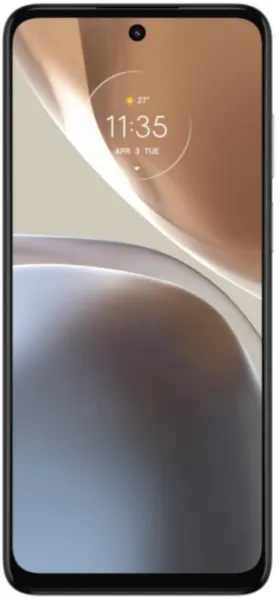
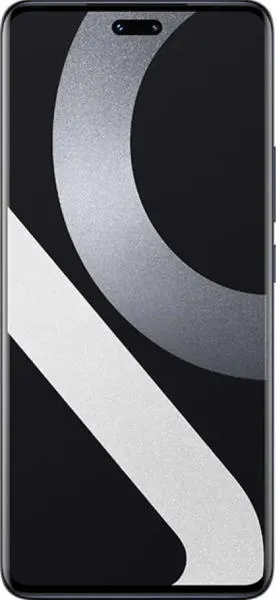
| Feature | Motorola Moto G32 | Xiaomi 13 Lite | Real-World Implications |
|---|---|---|---|
| Design | |||
| Dimensions (mm) | 161.8 x 73.8 x 8.5 | 159.2 x 72.7 x 7.2 | Xiaomi 13 Lite is noticeably thinner and slightly smaller overall. |
| Weight (g) | 184 | 171 | Xiaomi 13 Lite is lighter, enhancing one-handed use. |
| Display | |||
| Type | IPS LCD, 90Hz | AMOLED, 120Hz | Xiaomi boasts richer colors, deeper blacks, and smoother scrolling. |
| Size (inches) | 6.5 | 6.55 | Negligible difference in screen real estate. |
| Resolution | 1080 x 2400 | 1080 x 2400 | Identical sharpness; both offer crisp visuals. |
| HDR | No | HDR10+, Dolby Vision | Xiaomi offers significantly better dynamic range and color accuracy in compatible content. |
| Performance | |||
| Chipset | Snapdragon 680 4G | Snapdragon 7 Gen 1 | Xiaomi offers significantly faster processing and graphics performance. |
| CPU | Octa-core (4x2.4 GHz & 4x1.9 GHz) | Octa-core (1x2.4 GHz, 3x2.36 GHz & 4x1.8 GHz) | Xiaomi's more modern CPU architecture provides a significant performance advantage. |
| GPU | Adreno 610 | Adreno 644 | Xiaomi handles demanding games and tasks with greater ease. |
| RAM | 6GB/8GB | 8GB | Xiaomi offers more RAM in its base configuration, enabling smoother multitasking. |
| Camera | |||
| Main Camera | 50MP | 50MP | Comparable resolution, but Xiaomi uses a larger sensor (Sony IMX766) likely resulting in better low-light performance. |
| Selfie Camera | 16MP | 32MP + 8MP Depth | Xiaomi offers a higher resolution selfie camera with a dedicated depth sensor for improved portrait mode. |
| Video Recording | 1080p@30fps | 4K@30fps | Xiaomi supports higher resolution video recording. |
| Battery Life | |||
| Capacity | 5000mAh | 4500mAh | Moto G32 has a larger battery capacity, potentially leading to longer usage time. |
| Fast Charging | 30W | 67W | Xiaomi charges significantly faster. |
2. Key Insights
The Xiaomi 13 Lite shines with its superior display (AMOLED with 120Hz refresh rate and HDR support), a significantly more powerful processor (Snapdragon 7 Gen 1), faster charging (67W), and a more advanced selfie camera setup. It caters to users who prioritize performance, visual quality, and quicker charging times.
The Motorola Moto G32, while less powerful, offers a larger battery and a more affordable price point. It's a solid choice for budget-conscious users who prioritize battery life and reliable everyday performance.
3. User Profiles and Recommendations
Xiaomi 13 Lite: Ideal for users who enjoy mobile gaming, multimedia consumption, and demand smooth performance. Its vibrant display and fast charging are significant advantages. Content creators who need a good selfie camera will also appreciate the dual front camera setup.
Motorola Moto G32: Suitable for users who prioritize long battery life and essential smartphone functions. It's a good option for those seeking a reliable device without breaking the bank.
4. Buying Decision Framework
What's your budget? The Moto G32 offers excellent value for its price, while the Xiaomi 13 Lite commands a premium for its enhanced features.
What are your primary use cases? Gamers and multimedia enthusiasts will lean towards the Xiaomi 13 Lite. Those seeking all-day battery life might prefer the Moto G32.
How important is camera quality? While both have capable main cameras, the Xiaomi 13 Lite edges out with its superior selfie camera and 4K video recording.
My Choice: Xiaomi 13 Lite
While the Moto G32 offers fantastic value, I would choose the Xiaomi 13 Lite. The significantly faster processor, vibrant AMOLED display with 120Hz, and incredibly fast 67W charging are compelling advantages. As someone who values a smooth and responsive user experience, the performance leap offered by the Snapdragon 7 Gen 1, coupled with the beautiful display, is worth the price difference. The superior selfie camera and 4K video recording capabilities are also valuable additions. While the Moto G32 boasts a larger battery, the Xiaomi 13 Lite's fast charging largely mitigates this difference. For my usage patterns, which involve moderate to heavy use, gaming, and content creation, the Xiaomi 13 Lite provides a more future-proof and enjoyable experience.
