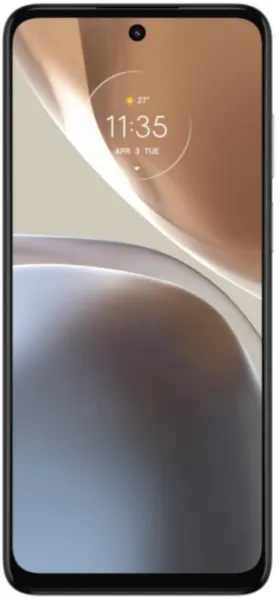
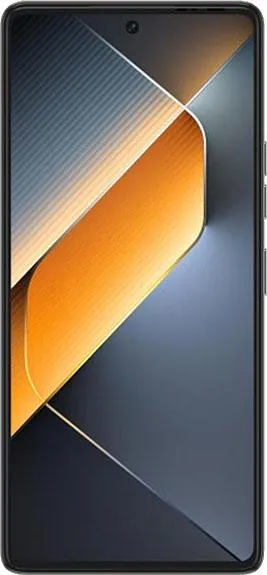
Motorola Moto G32 vs. Tecno Pova 6 Pro: A Detailed Comparison
Let's dive into a head-to-head comparison of the Motorola Moto G32 and the Tecno Pova 6 Pro, dissecting their specs and uncovering what they truly offer the everyday user.
1. Specifications Breakdown
| Feature | Motorola Moto G32 | Tecno Pova 6 Pro | Real-World Implications |
|---|---|---|---|
| Design | |||
| Dimensions (mm) | 161.8 x 73.8 x 8.5 | 165.5 x 76.1 x 7.9 | Pova 6 Pro is slightly larger and heavier. Moto G32 might feel more compact in hand. |
| Weight (g) | 184 | 198 | Noticeable weight difference; Pova 6 Pro feels more substantial. |
| Display | |||
| Display Type | IPS LCD, 90Hz | AMOLED, 120Hz | Pova 6 Pro offers deeper blacks, more vibrant colors, and smoother scrolling thanks to AMOLED and higher refresh rate. |
| Size (inches) | 6.5 | 6.78 | Pova 6 Pro provides a larger screen for media consumption. |
| Resolution (px) | 1080 x 2400 | 1080 x 2436 | Comparable sharpness; both offer crisp visuals. Pova 6 Pro's taller aspect ratio more common in newer phones. |
| Peak Brightness (nits) | Not specified | 1300 | Pova 6 Pro should offer better visibility in bright sunlight. |
| Performance | |||
| Chipset | Snapdragon 680 4G | Dimensity 6080 | Both are mid-range chipsets, but Dimensity 6080 generally offers better performance and 5G. Moto G32 is 4G only. |
| CPU | Octa-core (2.4 GHz) | Octa-core (2.4 GHz) | Similar CPU configurations; expect comparable everyday performance. Real-world difference will depend on optimization. |
| GPU | Adreno 610 | Mali-G57 MC2 | Mali-G57 generally has a slight edge in graphics performance. |
| RAM | 4/6/8GB | 12GB | Pova 6 Pro comes with significantly more RAM, enabling better multitasking and smoother performance with demanding apps. |
| Camera | |||
| Main Camera (MP) | 50 | 108 | Pova 6 Pro boasts higher resolution, potentially capturing more detail. Actual image quality depends on processing. |
| Selfie Camera (MP) | 16 | 32 | Pova 6 Pro offers a higher resolution selfie camera. |
| Video Recording | 1080p@30fps | 1440p@30fps | Pova 6 Pro can record video at a higher resolution. |
| Battery Life | |||
| Capacity (mAh) | 5000 | 6000 | Pova 6 Pro packs a larger battery, potentially lasting longer on a single charge. |
| Fast Charging | 30W | 70W | Pova 6 Pro offers significantly faster charging speeds. |
2. Key Insights
- Display: The Pova 6 Pro's AMOLED display with a 120Hz refresh rate is a clear winner, offering a visually superior experience with vibrant colors, smooth scrolling, and better outdoor visibility.
- Performance: While both phones utilize mid-range chipsets, the Pova 6 Pro's Dimensity 6080, coupled with 12GB of RAM, provides a significant advantage in overall performance and future-proofing with 5G connectivity.
- Camera: The Pova 6 Pro's 108MP main camera and 32MP selfie camera boast higher resolutions, promising more detailed photos. However, real-world image quality depends heavily on software processing.
- Battery: The Pova 6 Pro's larger 6000mAh battery and blazing-fast 70W charging provide a substantial edge in terms of battery life and convenience.
3. User Profiles and Recommendations
- Moto G32: Best suited for budget-conscious users who prioritize a compact design and reliable performance for everyday tasks. It's a solid choice for those who aren't heavy gamers or power users.
- Tecno Pova 6 Pro: Ideal for users seeking a multimedia powerhouse with a stunning display, excellent performance, long battery life, and fast charging. Gamers, content creators, and those who demand top-notch performance will appreciate this device.
4. Buying Decision Framework
- What's your budget? The Moto G32 is generally more affordable.
- Is 5G connectivity important? The Pova 6 Pro offers 5G, while the Moto G32 is 4G only.
- What are your priorities? If display quality, performance, and battery life are paramount, the Pova 6 Pro is the better choice. If affordability and a compact form factor are key, the Moto G32 is a strong contender.
My Choice: Tecno Pova 6 Pro
While the Moto G32 is a respectable device for its price, I would choose the Tecno Pova 6 Pro. The superior AMOLED display, significantly faster performance thanks to the Dimensity 6080 and 12GB RAM, impressive battery life with 70W fast charging, and the inclusion of 5G make it a more compelling package for my needs. I value a smooth, responsive user experience, future-proof connectivity, and the ability to quickly recharge my device, and the Pova 6 Pro delivers on all fronts. The slightly larger size wouldn't be a deterrent for me considering the substantial benefits it offers. The price difference is justified by the leap in features and overall user experience.
