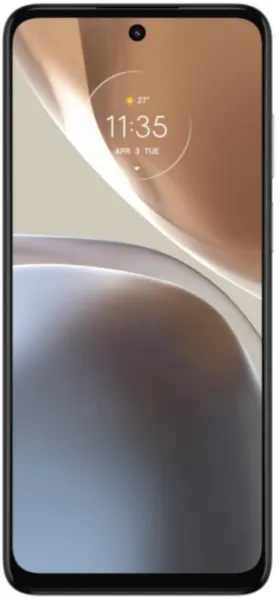
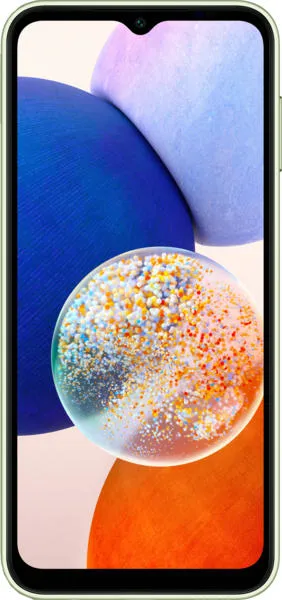
Let's dive into a comparative analysis of the Motorola Moto G32 and the Samsung Galaxy A14 5G, dissecting their specifications and uncovering what they truly offer the everyday user.
1. Specifications Breakdown
| Feature | Motorola Moto G32 | Samsung Galaxy A14 5G | Real-World Implications |
|---|---|---|---|
| Design | |||
| Dimensions (mm) | 161.8 x 73.8 x 8.5 | 167.7 x 78.0 x 9.1 | A14 5G is slightly larger and heavier. Moto G32 might feel more compact in hand. |
| Weight (g) | 184 | 202 | Noticeable difference in weight; G32 offers a lighter feel for extended use. |
| Display | |||
| Size (inches) | 6.5 | 6.6 | A14 5G offers marginally more screen real estate. |
| Resolution (px) | 1080 x 2400 | 1080 x 2408 | Virtually identical resolutions; sharpness and clarity should be comparable. |
| Refresh Rate (Hz) | 90 | 90 | Both offer smooth scrolling and animations thanks to the 90Hz refresh rate. |
| Panel Type | IPS LCD | PLS LCD | PLS LCD generally offers slightly better color reproduction and viewing angles than IPS LCD, but the difference is often subtle. |
| Performance | |||
| Chipset | Snapdragon 680 4G | Exynos 1330 5G | Exynos 1330, being a newer 5nm chip with faster CPU cores, should deliver noticeably better performance and efficiency. 5G connectivity is a major plus. |
| CPU | Octa-core (4x2.4 GHz & 4x1.9 GHz) | Octa-core (2x2.4 GHz & 6x2.0 GHz) | A14 5G boasts a more powerful CPU configuration, leading to smoother multitasking and faster app loading times. |
| GPU | Adreno 610 | Mali-G68 MP2 | Mali-G68 MP2 should offer a slight edge in graphics performance, beneficial for gaming. |
| RAM | 6GB (as reviewed) | 4GB (as reviewed) | More RAM in the Moto G32 can contribute to better multitasking performance, especially with multiple apps open. |
| Camera | |||
| Main Camera (MP) | 50 | 50 | Similar resolution; image quality will depend on sensor and software processing. Real-world testing is needed for a definitive comparison. |
| Battery Life | |||
| Capacity (mAh) | 5000 | 5000 | Identical battery capacities; actual battery life depends on usage patterns and software optimization. |
| Charging | 30W Fast Charging | 15W Fast Charging | Moto G32 offers significantly faster charging, minimizing downtime. |
2. Key Insights
- Performance: The Samsung Galaxy A14 5G's Exynos 1330 5G chipset significantly outpaces the Moto G32's Snapdragon 680 in processing power and offers 5G connectivity, a future-proofing advantage. However, the 6GB RAM in the Moto G32 (in our compared variant) could handle multitasking more efficiently than the 4GB in the A14.
- Display: While both phones feature 90Hz displays for smooth visuals, the A14 5G's PLS LCD panel might offer subtle advantages in color accuracy and viewing angles compared to the G32's IPS LCD. The A14's slightly larger display offers a tad more screen real estate.
- Battery & Charging: Both phones have 5000mAh batteries. However, the Moto G32's 30W fast charging significantly trumps the A14 5G's 15W charging, meaning less time plugged in.
3. User Profiles and Recommendations
- Moto G32: Suitable for users prioritizing a lightweight phone with faster charging and ample RAM for smooth multitasking, without needing cutting-edge processing power or 5G. Ideal for everyday tasks, media consumption, and casual gaming.
- Samsung Galaxy A14 5G: Best for users who value future-proof 5G connectivity, a slightly larger display, and stronger overall performance for demanding applications and gaming. The faster processor is well-suited for those who push their phones a bit harder.
4. Buying Decision Framework
- Do you need 5G connectivity? If yes, the A14 5G is the only option.
- Is faster charging a priority? If so, the Moto G32's 30W charging will be a significant advantage.
- Which is more important: raw processing power or smoother multitasking with multiple apps open concurrently? The A14 5G provides the former, while the Moto G32 (as configured) provides the latter.
My Choice
If I were choosing between these two, I'd lean towards the Samsung Galaxy A14 5G. While the Moto G32 offers advantages in charging speed and RAM in this specific configuration, the A14 5G's superior processor, 5G connectivity, and newer release year make it a more compelling long-term investment. The performance difference would be noticeable in daily use, and 5G future-proofs the device. The slightly larger screen is a small but welcome bonus. While 15W charging isn't blazing fast, I'd prioritize the performance gains and 5G capabilities over faster charging. Ultimately, the A14 5G offers a more well-rounded package for my needs.
