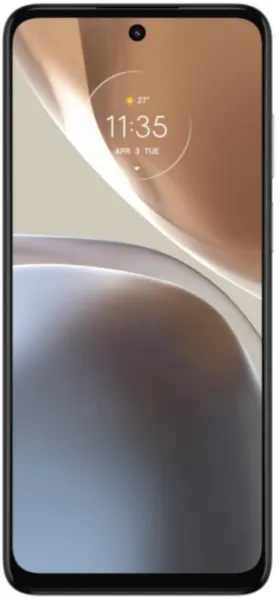
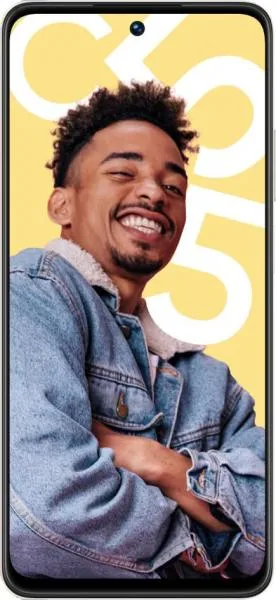
Motorola Moto G32 vs. Realme C55: A Comparative Deep Dive
Let's dissect the Motorola Moto G32 and the Realme C55, two compelling contenders in the mid-range smartphone arena. We'll go beyond the spec sheet, translating technical jargon into real-world implications for you.
1. Specifications Breakdown
| Feature | Motorola Moto G32 | Realme C55 | Real-World Implications |
|---|---|---|---|
| Design | |||
| Dimensions (mm) | 161.8 x 73.8 x 8.5 | 165.6 x 75.9 x 7.9 | C55 slightly larger, thinner |
| Weight (g) | 184 | 189.5 | Negligible difference in hand |
| Display | |||
| Size (inches) | 6.5 | 6.72 | C55 offers a larger screen |
| Resolution | 1080 x 2400 | 1080 x 2400 | Identical sharpness |
| Type | IPS LCD, 90Hz | IPS LCD, 90Hz | Smooth scrolling on both |
| Peak Brightness (nits) | - | 680 | C55 significantly brighter outdoors |
| Performance | |||
| Chipset | Snapdragon 680 | Helio G88 | G88 boasts slightly faster CPU, 680 likely more efficient |
| CPU | Octa-core (4x2.4 GHz & 4x1.9 GHz) | Octa-core (2x2.0 GHz & 6x1.8 GHz) | Comparable everyday performance, G88 might edge in demanding tasks |
| GPU | Adreno 610 | Mali-G52 MC2 | Similar gaming capabilities, Adreno potentially better optimized |
| RAM | 4/6/8GB | 4/6/8GB | Options for multitasking needs |
| Camera | |||
| Main Camera | 50MP | 64MP | C55 higher resolution, but image quality depends on processing |
| Selfie Camera | 16MP | 8MP | Moto G32 higher resolution for selfies |
| Video | 1080p@30fps | 1080p@30/60fps | C55 offers 60fps recording for smoother videos |
| Battery Life | |||
| Capacity | 5000mAh | 5000mAh | Similar battery capacity |
| Charging | 30W Fast Charging | 33W Fast Charging | C55 slightly faster charging |
2. Key Insights
- Display: While both phones sport 90Hz IPS LCDs for smooth visuals, the Realme C55's higher peak brightness gives it a significant edge in outdoor readability.
- Performance: The processors are fairly evenly matched, targeting everyday tasks rather than heavy gaming. The G88's faster clock speed might provide a slight advantage in demanding applications, while the Snapdragon 680 might be more power-efficient. Real-world performance will depend heavily on software optimization.
- Camera: The C55 boasts a higher resolution main camera, but megapixels don't tell the whole story. Image processing, dynamic range, and low-light performance are crucial, and these require further investigation beyond specifications. The Moto G32's higher resolution selfie camera is notable for selfie enthusiasts.
- Battery and Charging: Both phones feature large batteries with fast charging, promising all-day endurance. The C55's slightly faster 33W charging could save a few minutes.
3. User Profiles and Recommendations
- Moto G32: Suits users prioritizing a balanced experience with a good selfie camera, potentially longer battery life due to chip efficiency, and a cleaner Android experience (Motorola phones typically have minimal bloatware).
- Realme C55: Ideal for those who consume a lot of media on their phone, thanks to the larger, brighter display. The faster charging and potentially stronger processor for demanding tasks are also attractive.
4. Buying Decision Framework
- Is outdoor visibility crucial? If so, the Realme C55's brighter display is a strong advantage.
- Are you a heavy gamer or multitasker? While both handle everyday tasks well, the Realme C55 might offer a slight edge in demanding scenarios, however real-world performance depends on optimization.
- Which camera matters most? Consider the Moto G32 if selfies are paramount, while the C55 offers a higher resolution main sensor (though overall image quality needs further review).
My Choice: The Motorola Moto G32
While the Realme C55 has a compelling display, I lean towards the Motorola Moto G32. My reasoning is threefold:
- Clean Software Experience: Motorola's track record of near-stock Android with minimal bloatware appeals to me. This often translates to smoother performance and quicker updates over time.
- Potential Battery Life Advantage: While charging is slightly slower, the Snapdragon 680 is known for its efficiency. Coupled with identical battery capacity, this might translate to longer real-world usage between charges, a factor I prioritize.
- Holistic Balance: The G32 provides a well-rounded package. While it might not win in every single category, it consistently delivers a solid experience across the board without significant weaknesses. The higher resolution selfie camera is a bonus for me. Ultimately, I value a consistently good experience over a single standout feature.
