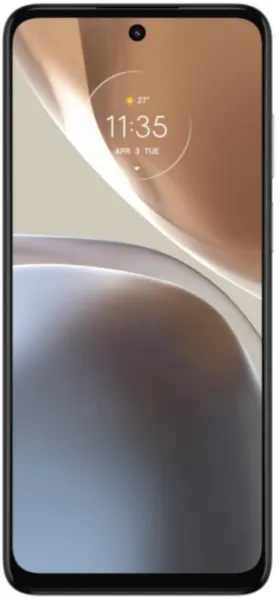
Motorola Moto G32 vs. realme 8: A Deep Dive for the Discerning Smartphone User
The mid-range smartphone market is fiercely competitive, with manufacturers vying for your attention with compelling features and aggressive pricing. Today, we'll dissect two contenders: the Motorola Moto G32 and the realme 8. By delving into their specifications and translating them into real-world implications, we'll empower you to choose the device that best aligns with your needs.
1. Specifications Breakdown
| Feature | Motorola Moto G32 | realme 8 | Real-World Implications |
|---|---|---|---|
| Design | |||
| Dimensions (mm) | 161.8 x 73.8 x 8.5 | 162 x 75.1 x 8.7 | realme 8 is slightly larger and heavier. Moto G32 might offer a slightly more comfortable one-handed use. |
| Weight (g) | 184 | 191 | realme 8's added weight might be due to a larger battery. |
| Display | |||
| Type | IPS LCD, 90Hz | LTPO AMOLED, 120Hz | realme 8 boasts superior contrast, deeper blacks, and smoother scrolling thanks to AMOLED and 120Hz. Moto G32's 90Hz still provides a smooth experience but with less vibrant colors. |
| Size | 6.5" | 6.78" | realme 8 offers a larger screen for more immersive media consumption. |
| Resolution | 1080 x 2400 | 1264 x 2780 | realme 8 has a sharper display with higher pixel density, resulting in crisper text and images. |
| Performance | |||
| Chipset | Snapdragon 680 | Snapdragon 7+ Gen 3 | realme 8's significantly more powerful processor will handle demanding tasks and gaming much better. |
| CPU | Octa-core (4x2.4 GHz & 4x1.9 GHz) | Octa-core (1x2.8 GHz & 4x2.6 GHz & 3x1.9 GHz) | realme 8 offers superior multi-core performance for faster app loading and multitasking. |
| GPU | Adreno 610 | Adreno 732 | realme 8 provides a substantial leap in graphics performance, enhancing gaming and visual experiences. |
| RAM | 4/6/8GB | 12GB | realme 8 offers more RAM, ensuring smoother multitasking and preventing app closures in the background. |
| Camera | Insufficient data for realme 8 to compare. | ||
| Main Camera | 50MP | N/A | Moto G32 offers a high-resolution main sensor, but real-world image quality depends on processing. |
| Battery Life | |||
| Capacity | 5000 mAh | 5500 mAh | realme 8 has a slightly larger battery, potentially translating to longer usage time. |
2. Key Insights
- Performance: The realme 8 significantly outperforms the Moto G32 due to its newer and vastly more powerful Snapdragon 7+ Gen 3 processor. This translates to smoother gaming, faster app loading, and effortless multitasking.
- Display: While the Moto G32 offers a respectable 90Hz IPS LCD, the realme 8’s 120Hz LTPO AMOLED display is a clear winner. Expect richer colors, deeper blacks, and incredibly smooth scrolling on the realme 8.
- Battery: Both phones boast large batteries, but the realme 8's 5500mAh capacity edges out the Moto G32's 5000mAh. Real-world battery life will depend on usage patterns, but the realme 8 likely offers slightly longer endurance.
3. User Profiles and Recommendations
- Moto G32: This phone is ideal for budget-conscious users who prioritize essential smartphone functions like calling, texting, web browsing, and light social media use. It's a reliable device for everyday tasks, but don't expect top-tier performance for demanding applications or gaming.
- realme 8: This phone caters to users who demand more performance and a premium multimedia experience. Gamers, content creators, and power users will appreciate the realme 8's powerful processor, stunning display, and large battery.
4. Buying Decision Framework
- What is your budget? The Moto G32 is likely more affordable.
- What are your primary smartphone activities? For basic use, the Moto G32 suffices. For demanding tasks and gaming, the realme 8 is superior.
- How important is display quality? The realme 8’s AMOLED display offers a significant visual upgrade.
My Choice: I would choose the realme 8. While potentially more expensive, the substantial performance gains, the superior display quality (LTPO AMOLED at 120Hz is a game-changer), and the slightly larger battery make it a more compelling long-term investment. The Snapdragon 7+ Gen 3 offers future-proofing, ensuring the phone remains responsive even as apps become more demanding. For me, the enhanced user experience justifies the potential price difference.
