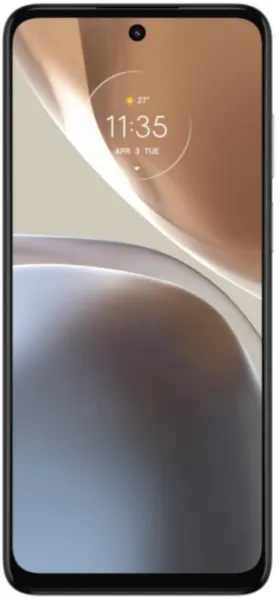
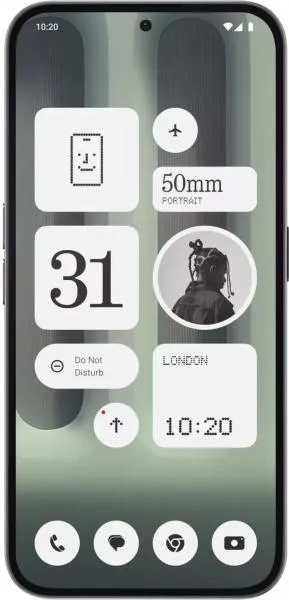
Motorola Moto G32 vs. Nothing Phone (2a) Plus: A Deep Dive
Let's dissect the Motorola Moto G32 and the Nothing Phone (2a) Plus, cutting through the marketing jargon to see how these devices truly stack up in the real world.
1. Specifications Breakdown
| Feature | Motorola Moto G32 | Nothing Phone (2a) Plus | Real-World Implications |
|---|---|---|---|
| Design | |||
| Dimensions (mm) | 161.8 x 73.8 x 8.5 | 161.7 x 76.3 x 8.5 | Virtually identical in size and feel. |
| Weight (g) | 184 | 190 | Negligible difference in weight; both comfortable for one-handed use. |
| Display | |||
| Type | IPS LCD, 90Hz | AMOLED, 120Hz, HDR10+ | Nothing's AMOLED offers richer colors, deeper blacks, and smoother scrolling. Moto's LCD is adequate but less vibrant. |
| Size | 6.5" | 6.7" | Slightly larger screen on the Nothing phone; better for media consumption. |
| Resolution | 1080 x 2400 | 1080 x 2412 | Nearly identical sharpness; pixel density differences are imperceptible. |
| Performance | |||
| Chipset | Snapdragon 680 4G | Dimensity 7350 Pro 5G | Nothing phone significantly faster and more powerful, better for demanding tasks and gaming; offers 5G connectivity. |
| RAM | 6GB (as reviewed) | 12GB | Double the RAM on the Nothing phone enables superior multitasking and app switching. |
| OS | Android 12 | Android 14 | Nothing phone comes with a newer OS and longer software update commitment. |
| Camera | |||
| Main | 50MP | 50MP (Samsung GN9) | Nothing phone utilizes a larger, more advanced sensor for potentially better low-light performance and dynamic range. |
| Ultrawide | 8MP | 50MP | Massive advantage for the Nothing phone in ultrawide quality and detail. |
| Selfie | 16MP | 50MP | Significantly higher resolution selfie camera on the Nothing phone. |
| Battery Life | |||
| Capacity | 5000mAh | 5000mAh | Identical battery capacity. |
| Charging | 30W wired | 50W wired | Faster charging on the Nothing phone. |
2. Key Insights
The Nothing Phone (2a) Plus boasts a superior display, significantly faster performance due to a more powerful processor and double the RAM, a vastly improved camera system, and faster charging. The Moto G32, while offering a clean Android experience and solid battery life, falls behind in nearly every other category.
Real-World Differences: The Nothing Phone's performance advantage translates to smoother gaming, faster app loading, and effortless multitasking. Its AMOLED display provides a more immersive visual experience. The upgraded camera system captures significantly better photos and videos, particularly in challenging lighting conditions.
3. User Profiles and Recommendations
Moto G32: Suitable for budget-conscious users who prioritize basic functionality: calling, texting, web browsing, and light social media. It's a reliable workhorse for undemanding tasks.
Nothing Phone (2a) Plus: Ideal for users who demand a more premium experience without a flagship price tag. Excellent for mobile gaming, photography enthusiasts, content creators, and those who value a smooth and responsive user interface.
4. Buying Decision Framework
Questions to Consider:
- What's your budget? The Moto G32 is significantly more affordable.
- What are your primary smartphone uses? For basic tasks, the Moto G32 suffices. For demanding applications, the Nothing phone is essential.
- How important are camera quality and display vibrancy? The Nothing phone significantly outperforms the Moto G32 in these areas.
Scenario-Based Recommendations:
- Student on a tight budget: Moto G32
- Casual user who prioritizes battery life and affordability: Moto G32
- Gamer or power user: Nothing Phone (2a) Plus
- Photography enthusiast: Nothing Phone (2a) Plus
My Choice: The Nothing Phone (2a) Plus
While the Moto G32 offers excellent value for its price, the Nothing Phone (2a) Plus is the clear winner for me. As a tech journalist, I demand a device that can handle heavy multitasking, run demanding apps flawlessly, and capture high-quality photos and videos. The Nothing Phone's superior performance, stunning AMOLED display, and vastly improved camera system make it a compelling choice. The faster charging and newer Android version with a longer support window further solidify its position as the better overall device. The price difference is justifiable considering the substantial upgrade in performance and features. I appreciate the fluidity of a high refresh rate display and the versatility of a truly capable camera system, both of which the Nothing Phone delivers in spades.
