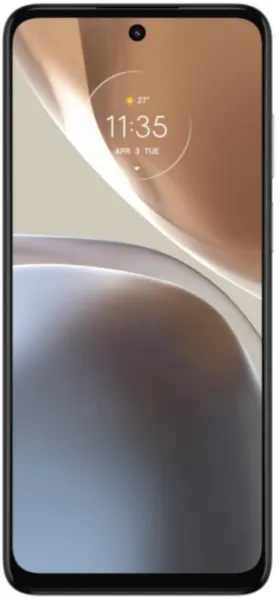
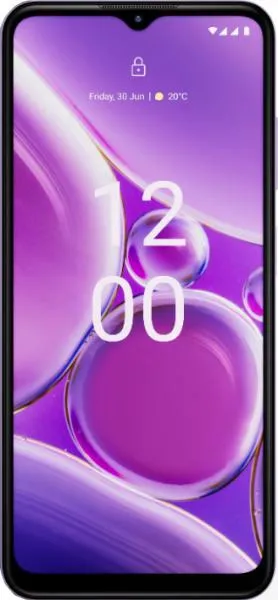
Let's dive into a comparative analysis of the Motorola Moto G32 and the Nokia G42, dissecting their specifications and uncovering what they truly offer the everyday user.
1. Specifications Breakdown
| Feature | Motorola Moto G32 | Nokia G42 | Real-World Implications |
|---|---|---|---|
| Design | |||
| Dimensions (mm) | 161.8 x 73.8 x 8.5 | 165 x 75.8 x 8.6 | Nokia G42 slightly larger, might feel less comfortable in smaller hands. |
| Weight (g) | 184 | 193.8 | Moto G32 noticeably lighter, reducing hand fatigue during extended use. |
| Display | |||
| Size (inches) | 6.5 | 6.56 | Negligible difference in screen real estate. |
| Resolution (px) | 1080 x 2400 | 720 x 1612 | Moto G32 offers significantly sharper visuals, better for media consumption and gaming. |
| Panel Type | IPS LCD, 90Hz | IPS LCD, 90Hz | Both offer smooth scrolling, but Moto G32's higher resolution makes it more visually appealing. |
| PPI | 405 | 269 | Moto G32's higher pixel density results in crisper text and images. |
| Performance | |||
| Chipset | Snapdragon 680 4G | Snapdragon 480+ 5G | Nokia G42 has 5G connectivity, future-proofing it for faster data speeds. Moto G32 relies on 4G, which is still widely available and sufficient for many users. Snapdragon 480+ boasts slightly better CPU performance in benchmarks. |
| CPU | Octa-core (4x2.4 GHz & 4x1.9 GHz) | Octa-core (2x2.2 GHz & 6x1.8 GHz) | Both offer decent performance for everyday tasks, but the difference is minimal in real-world usage for most apps. |
| GPU | Adreno 610 | Adreno 619 | Nokia G42 has a slight edge in graphics performance, but the Moto G32's higher resolution display might demand more from the GPU. |
| RAM | 4GB/6GB/8GB | 4GB/6GB | Both offer configurations with ample RAM for multitasking. |
| Camera | |||
| Main Camera | 50MP | 50MP | Both have similar main camera resolution, suggesting comparable image quality in good lighting. Real-world image processing will play a significant role. |
| Other Cameras | 8MP ultrawide, 2MP macro, 16MP selfie | 2MP depth, 2MP macro, 8MP selfie | Moto G32 offers a dedicated ultrawide lens for broader shots, arguably more useful than a dedicated depth sensor. |
| Battery Life | |||
| Capacity (mAh) | 5000 | 5000 | Both boast large batteries, promising all-day usage. |
| Charging | 30W fast charging | 20W fast charging | Moto G32 charges significantly faster. Notably, the Nokia G42 does not include a charger in the box. |
2. Key Insights
- Display Quality: The Moto G32's significantly sharper display is a major differentiator. While both phones offer a 90Hz refresh rate, the G32's Full HD+ resolution delivers a much more enjoyable viewing experience.
- Performance & Connectivity: The Nokia G42's Snapdragon 480+ with 5G offers a slight performance advantage and future-proof connectivity. However, the Moto G32's Snapdragon 680, while a 4G chip, provides sufficient performance for most users.
- Camera System: The Moto G32's inclusion of an ultrawide lens enhances its versatility for landscape and group photos. The Nokia G42's depth sensor, while helpful for portraits, is less universally beneficial.
- Charging Speed: Moto G32's 30W fast charging significantly outpaces the Nokia G42's 20W charging. The lack of a charger in the Nokia G42's box is also a notable drawback.
3. User Profiles and Recommendations
- Moto G32: Best for users who prioritize display quality and media consumption, value faster charging, and want a lightweight, comfortable phone.
- Nokia G42: Suitable for budget-conscious users who need 5G connectivity and prioritize long-term network compatibility.
4. Buying Decision Framework
- Is 5G connectivity a must-have? If yes, the Nokia G42 is the only option. If not, consider the Moto G32.
- How important is display quality? If you value sharp visuals and vibrant colors, the Moto G32's Full HD+ display is a clear winner.
- What's your budget and charging needs? The Moto G32 offers faster charging and often comes at a competitive price. Consider the extra cost of a charger for the Nokia G42.
My Choice: I would choose the Motorola Moto G32. While I appreciate the future-proofing of 5G, 4G speeds are sufficient for my current needs. The superior display quality of the Moto G32 is a decisive factor for me, as I frequently consume media and appreciate sharp visuals. The faster charging and overall lighter weight further solidify my preference. The lack of a charger with the Nokia G42 is a minor annoyance but also a factor. Ultimately, the Moto G32 offers a more well-rounded package for my usage patterns.
