Motorola Moto G32 vs. Motorola Moto G85: A Deep Dive Comparison
Let's dissect the Motorola Moto G32 and the Moto G85, two compelling contenders in the mid-range smartphone arena. We'll go beyond the spec sheets to uncover what these numbers truly mean for your daily life.
1. Specifications Breakdown
| Feature | Motorola Moto G32 | Motorola Moto G85 | Real-World Implications |
|---|---|---|---|
| Design | |||
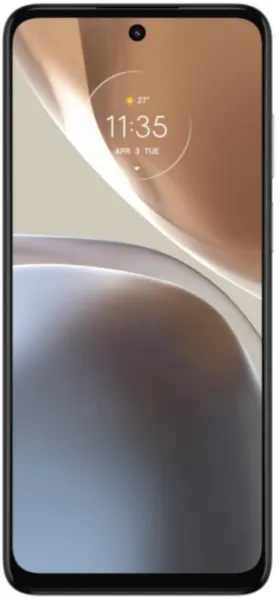
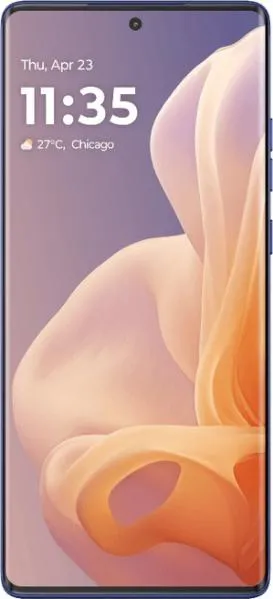
| Dimensions (mm) | 161.8 x 73.8 x 8.5 | 161.9 x 73.1 x 7.6 | G85 slightly slimmer and lighter, potentially more comfortable for one-handed use. |
| Weight (g) | 184 | 171 | Noticeable difference in hand; G85 feels less bulky. |
| Fingerprint Sensor | Side-mounted | Under-display | Personal preference; under-display feels more modern, side-mounted can be quicker to access. |
| Display | |||
| Type | IPS LCD, 90Hz | P-OLED, 120Hz | G85 boasts richer blacks, vibrant colors, and smoother scrolling due to OLED and higher refresh rate. |
| Size | 6.5" | 6.67" | G85 offers a slightly larger screen for more immersive content consumption. |
| Resolution | 1080 x 2400 | 1080 x 2400 | Sharpness is comparable on both devices. |
| Performance | |||
| Chipset | Snapdragon 680 | Snapdragon 6s Gen 3 | G85's newer processor likely offers a performance boost in demanding tasks and gaming. |
| CPU | Octa-core (4x2.4 GHz & 4x1.9 GHz) | Octa-core (2x2.3 GHz & 6x2.0 GHz) | G85 features faster, performance focused cores delivering an edge in speed. |
| GPU | Adreno 610 | Adreno 619 | G85 has a slightly more powerful GPU, potentially translating to better gaming performance. |
| RAM | 6GB | 12GB | G85's significantly larger RAM enables superior multitasking and smoother app switching. |
| Camera | |||
| Main Sensor | 50MP | 50MP | Resolution similar, but G85 utilizes a Sony sensor with potentially better low-light performance. |
| Wide-Angle | 8MP | 8MP | Comparable wide-angle capabilities. |
| Selfie | 16MP | 32MP | G85 boasts a higher resolution selfie camera for sharper self-portraits. |
| Video | 1080p@30fps | 1080p@60fps | G85 can record smoother videos at 60fps. |
| Battery Life | |||
| Capacity | 5000mAh | 5000mAh | Similar battery capacities suggest comparable battery life, but real-world usage will vary. |
| Charging | 30W Fast Charging | 30W Fast Charging | Both phones offer equally fast charging speeds. |
2. Key Insights
The Moto G85 clearly takes the lead in performance and display. Its powerful Snapdragon 6s Gen 3 chip, coupled with 12GB of RAM, ensures a fluid user experience even with demanding applications. The vibrant P-OLED display with a 120Hz refresh rate provides a visually stunning and incredibly smooth experience. However, the G32 holds its own with a commendable battery life and a capable camera system for everyday use.
3. User Profiles and Recommendations
Moto G32: Ideal for budget-conscious users who prioritize battery life and reliable performance for everyday tasks like social media, browsing, and light gaming. It's a great option for students or casual users.
Moto G85: Perfect for power users who demand top-notch performance, a stunning display, and ample RAM for multitasking and gaming. Content creators, mobile photographers, and heavy gamers would appreciate the G85's capabilities.
4. Buying Decision Framework
- What is your budget? The G32 is generally more affordable.
- What are your primary use cases? Heavy multitasking and gaming? G85. Casual use and long battery life? G32.
- How important is display quality? The G85's OLED display is a significant upgrade.
My Choice: The Motorola Moto G85
While the Moto G32 offers excellent value, I'd choose the Moto G85. The superior performance, stunning P-OLED display with a 120Hz refresh rate, and ample RAM are compelling advantages. The jump in performance and display quality significantly enhances the user experience, making it worth the potential price difference. While I value battery life, I find the responsiveness and visual fidelity offered by the G85 more impactful in my daily workflow. The future-proofing offered by the more powerful processor and increased RAM also contributes to its long-term value.
