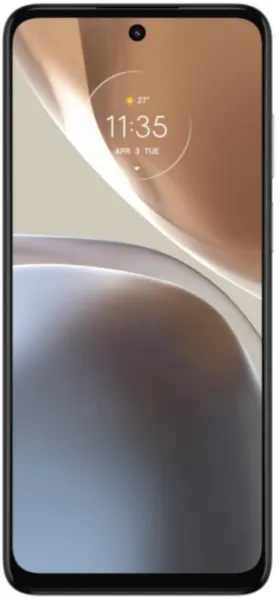
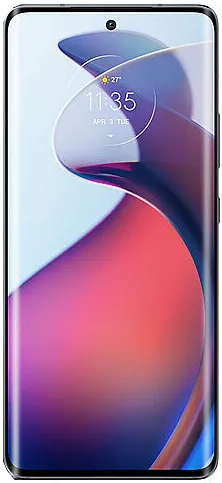
Motorola Moto G32 vs. Motorola Edge 30 Fusion: A Deep Dive
Let's dissect the Moto G32 and Edge 30 Fusion, two compelling Motorola offerings catering to different needs. This analysis goes beyond the spec sheet, translating technical jargon into real-world implications for you.
1. Specifications Breakdown
| Feature | Motorola Moto G32 | Motorola Edge 30 Fusion | Real-World Implications |
|---|---|---|---|
| Design | |||
| Dimensions (mm) | 161.8 x 73.8 x 8.5 | 158.5 x 72 x 7.5 | Edge 30 Fusion is slightly more compact and thinner, enhancing one-handed usability. |
| Weight (g) | 184 | 168 | Edge 30 Fusion feels noticeably lighter in hand. |
| Display | |||
| Type | IPS LCD, 90Hz | P-OLED, 144Hz, HDR10+ | Edge 30 Fusion offers deeper blacks, vibrant colors, smoother scrolling, and HDR support for richer media consumption. |
| Size | 6.5" | 6.55" | Negligible difference in screen real estate. |
| Resolution | 1080 x 2400 | 1080 x 2400 | Identical sharpness; pixel density difference is imperceptible. |
| Performance | |||
| Chipset | Snapdragon 680 4G | Snapdragon 888+ 5G | Edge 30 Fusion boasts significantly faster processing, enabling seamless multitasking, demanding gaming, and quicker app loading. |
| CPU | Octa-core (2.4 GHz) | Octa-core (2.99 GHz) | Edge 30 Fusion delivers a substantial performance leap for demanding tasks. |
| GPU | Adreno 610 | Adreno 660 | Edge 30 Fusion provides a major boost in graphics performance, enhancing gaming and visually intensive applications. |
| RAM | 4/6/8 GB | 8/12 GB | Edge 30 Fusion offers more RAM, further improving multitasking and overall responsiveness. |
| Camera | |||
| Main Camera | 50MP | 50MP | Both have high-resolution sensors, but the Edge 30 Fusion uses a larger sensor (OmniVision OV50A) potentially capturing more light. |
| Video | 1080p@30fps | 8K@30fps | Edge 30 Fusion offers significantly higher video resolution and frame rate options. |
| Battery Life | |||
| Capacity | 5000 mAh | 4400 mAh | Moto G32 boasts a larger battery, likely resulting in longer usage time. |
| Charging | 30W Fast Charging | 68W Fast Charging | Edge 30 Fusion charges significantly faster, minimizing downtime. |
2. Key Insights
The Moto G32 prioritizes battery life and affordability. It's a reliable workhorse for everyday tasks like browsing, social media, and casual photography. However, its performance is limited compared to the Edge 30 Fusion.
The Edge 30 Fusion is a performance powerhouse with a premium display. It excels in demanding tasks, gaming, and content creation. While its battery is smaller, the significantly faster charging compensates.
3. User Profiles and Recommendations
Moto G32: Ideal for budget-conscious users who prioritize battery life and reliable performance for everyday tasks. Students, casual users, and those seeking a long-lasting phone would find it suitable.
Edge 30 Fusion: Perfect for power users, gamers, content creators, and anyone who demands top-tier performance and a premium display. If you value speed, a smooth user experience, and high-quality media consumption, this is your phone.
4. Buying Decision Framework
Questions to Ask:
- What's your budget? The G32 offers excellent value for its price, while the Edge 30 Fusion commands a premium.
- What's your usage pattern? Heavy multitasking, gaming, or content creation lean towards the Edge 30 Fusion. Basic usage favors the G32's battery life.
- What features are non-negotiable? A vibrant display and blazing-fast performance? Choose the Edge 30 Fusion. All-day battery life on a budget? The G32 fits the bill.
My Choice: Motorola Edge 30 Fusion
While the Moto G32's battery life is tempting, I'd choose the Edge 30 Fusion. As a tech journalist, I need a phone that can handle demanding tasks, run multiple apps smoothly, and capture high-quality photos and videos. The Snapdragon 888+, coupled with the stunning 144Hz P-OLED display and fast charging, offers a superior user experience that aligns with my needs. I'm willing to compromise slightly on battery life for the significant performance gains and premium features. The faster charging mitigates much of the battery capacity difference in practical use.
