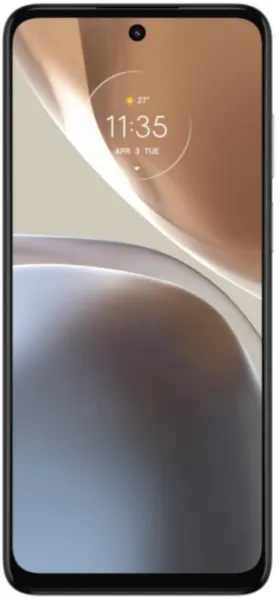
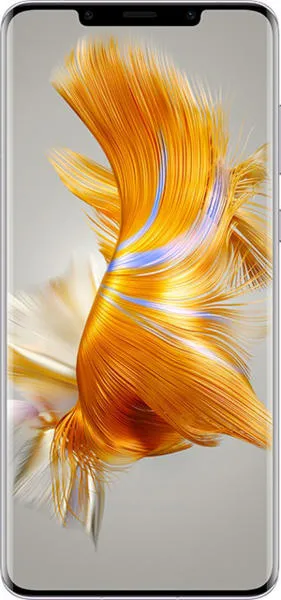
Motorola Moto G32 vs. Huawei Mate 50 Pro: A Comparative Analysis
Let's dive into a detailed comparison of the Motorola Moto G32 and the Huawei Mate 50 Pro, dissecting their specifications and uncovering what they truly offer in real-world usage.
1. Specifications Breakdown
| Feature | Motorola Moto G32 | Huawei Mate 50 Pro | Real-World Implications |
|---|---|---|---|
| Design | |||
| Dimensions (mm) | 161.8 x 73.8 x 8.5 | 162.1 x 75.5 x 8.5 | Mate 50 Pro slightly larger; both are relatively thin. |
| Weight (g) | 184 | 205 | Moto G32 noticeably lighter, contributing to better one-handed use. |
| Display | |||
| Type | IPS LCD, 90Hz | OLED, 120Hz | Mate 50 Pro: Superior contrast, deeper blacks, smoother scrolling, potentially higher battery drain. |
| Size | 6.5" | 6.74" | Mate 50 Pro offers a larger viewing area. |
| Resolution | 1080 x 2400 | 1212 x 2616 | Mate 50 Pro: Sharper image quality due to higher pixel density. |
| Performance | |||
| Chipset | Snapdragon 680 4G | Snapdragon 8+ Gen 1 4G | Mate 50 Pro: Significantly faster processing, smoother multitasking, better gaming performance. |
| CPU | Octa-core (4x2.4 GHz & 4x1.9 GHz) | Octa-core (1x3.19 GHz & 3x2.75 GHz & 4x2.0 GHz) | Mate 50 Pro: More powerful CPU architecture for demanding tasks. |
| RAM | 4GB/6GB/8GB | 8GB | Mate 50 Pro: More RAM for seamless multitasking and app switching. |
| Camera | |||
| Rear Camera | 50MP + 8MP + 2MP | 50MP + 13MP + 64MP | Mate 50 Pro: More versatile camera system with a higher resolution telephoto lens. |
| Front Camera | 16MP | 13MP | Moto G32: Slightly higher resolution front camera; real-world selfie quality depends on other factors. |
| Battery Life | |||
| Capacity | 5000 mAh | 4700 mAh | Moto G32: Larger battery capacity; actual battery life depends on usage and optimization. |
| Charging | 30W Fast Charging | 66W SuperCharge | Mate 50 Pro: Significantly faster charging speeds. |
2. Key Insights
- Performance: The Mate 50 Pro boasts a flagship-level Snapdragon 8+ Gen 1 processor, making it a powerhouse for demanding tasks and gaming. The Moto G32, with its Snapdragon 680, offers decent performance for everyday use but won't handle intensive applications as smoothly.
- Display: The Mate 50 Pro's OLED display delivers vibrant colors, deep blacks, and a smoother 120Hz refresh rate. The Moto G32's IPS LCD is respectable but lacks the same visual punch and fluidity.
- Camera: Both phones feature a 50MP primary camera, but the Mate 50 Pro pulls ahead with its superior telephoto lens and overall versatility. Huawei's XMAGE imaging technology also promises enhanced photographic capabilities. While the Moto G32's camera system is functional, it's not in the same league as the Mate 50 Pro.
- Battery: The Moto G32 has a slightly larger battery capacity, but the Mate 50 Pro's significantly faster 66W charging compensates for this difference.
3. User Profiles and Recommendations
- Moto G32: Ideal for budget-conscious users who prioritize battery life and reliable performance for everyday tasks like web browsing, social media, and light gaming. It's a great option for students or anyone seeking a solid, affordable smartphone.
- Huawei Mate 50 Pro: Designed for power users, photographers, and mobile gamers who demand top-tier performance, a stunning display, and a cutting-edge camera system. It's a premium device that delivers a flagship experience.
4. Buying Decision Framework
- What is your budget? The Moto G32 is significantly more affordable.
- What is your primary use case? For basic tasks, the Moto G32 suffices. For demanding applications, gaming, or photography, the Mate 50 Pro excels.
- Which features are most important to you? Prioritize battery life with the Moto G32 or a premium display, performance, and camera with the Mate 50 Pro.
My Choice:
If I were choosing between these two, I would pick the Huawei Mate 50 Pro. While the Moto G32 is a compelling budget option, I value the superior performance, stunning OLED display, and versatile camera system offered by the Mate 50 Pro. The faster charging speed is a significant advantage as well. I'm willing to invest in the premium experience, especially for the long-term benefits of a more powerful and feature-rich device. The absence of Google Mobile Services might be a concern for some, but for my personal use, it wouldn't be a deal-breaker. The Mate 50 Pro is a true flagship that promises to handle anything I throw at it, both now and in the future.
