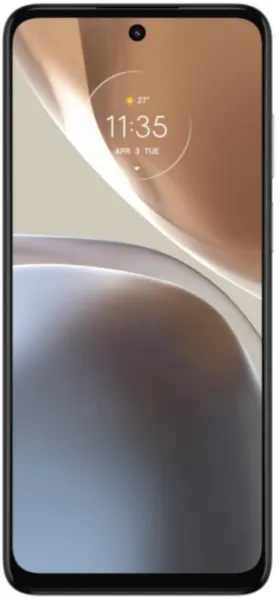
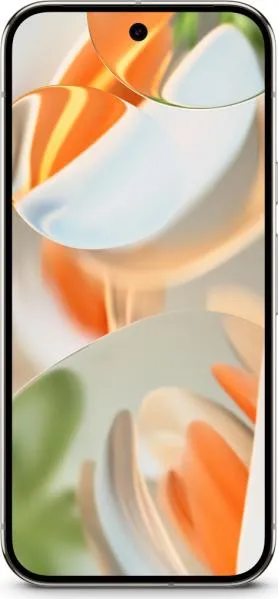
Motorola Moto G32 vs. Google Pixel 9 Pro: A Deep Dive
Let's dissect the Motorola Moto G32 and the Google Pixel 9 Pro, two smartphones catering to different needs and budgets. We'll translate the raw specs into real-world experiences, helping you decide which phone fits your lifestyle.
1. Specifications Breakdown
| Feature | Motorola Moto G32 | Google Pixel 9 Pro | Real-World Implications |
|---|---|---|---|
| Design | |||
| Dimensions (mm) | 161.8 x 73.8 x 8.5 | 152.8 x 72 x 8.5 | Pixel 9 Pro is slightly more compact. |
| Weight (g) | 184 | 199 | Moto G32 is noticeably lighter, reducing hand fatigue. |
| Build Materials | Plastic | Glass/Metal | Pixel 9 Pro offers a more premium feel and potentially better durability. |
| Display | |||
| Display Type | IPS LCD | LTPO OLED | Pixel 9 Pro delivers deeper blacks, vibrant colors, and better power efficiency. |
| Size (inches) | 6.5 | 6.3 | Moto G32 offers a slightly larger screen for media consumption. |
| Resolution | 1080 x 2400 | 1280 x 2856 | Pixel 9 Pro boasts sharper visuals due to higher pixel density. |
| Refresh Rate (Hz) | 90 | 120 | Pixel 9 Pro provides smoother scrolling and animations. |
| Performance | |||
| Chipset | Snapdragon 680 4G | Google Tensor G4 | Pixel 9 Pro offers significantly faster processing and AI capabilities. |
| CPU | Octa-core (2.4 GHz) | Octa-core (3.1 GHz) | Pixel 9 Pro handles demanding tasks and multitasking with ease. |
| RAM (GB) | 6 | 16 | Pixel 9 Pro allows for seamless app switching and heavy workloads. |
| Storage | Up to 256GB | Up to 1TB | Pixel 9 Pro provides ample storage for power users. |
| Camera | |||
| Main Camera (MP) | 50 | 50 | Comparable resolution, but Pixel's image processing usually excels. |
| Ultrawide (MP) | 8 | 48 | Pixel 9 Pro offers a higher resolution ultrawide lens. |
| Telephoto (MP) | N/A | 48 | Pixel 9 Pro includes a dedicated telephoto lens for optical zoom. |
| Video | 1080p@30fps | Up to 8K@30fps | Pixel 9 Pro provides superior video recording capabilities. |
| Battery Life | |||
| Capacity (mAh) | 5000 | 4700 | Moto G32 likely offers longer battery life due to lower power consumption components. |
| Charging | 30W Fast Charging | 27W Fast Charging | Moto G32 charges slightly faster. |
2. Key Insights
- Performance Powerhouse: The Pixel 9 Pro, with its Tensor G4 chip and 16GB RAM, crushes the Moto G32 in performance. Expect lightning-fast speeds, seamless multitasking, and effortless handling of demanding apps and games.
- Display Delight: The Pixel 9 Pro's LTPO OLED display delivers a visual feast with vibrant colors, inky blacks, and a buttery smooth 120Hz refresh rate. The Moto G32's LCD is respectable but can't match the Pixel's visual punch.
- Camera Prowess: Both phones boast a 50MP main camera, but the Pixel 9 Pro likely pulls ahead with Google's renowned computational photography. The addition of a telephoto lens and a higher resolution ultrawide further enhances the Pixel's versatility.
- Endurance Champion: While the Moto G32 has a slightly larger battery, the Pixel 9 Pro's LTPO technology dynamically adjusts the refresh rate, potentially offsetting the capacity difference. Real-world battery life will depend on usage patterns.
3. User Profiles and Recommendations
- Moto G32: Ideal for budget-conscious users who prioritize battery life and a large screen for media consumption. Suitable for everyday tasks like browsing, social media, and casual gaming.
- Pixel 9 Pro: Perfect for power users, photographers, and videographers who demand top-tier performance, a stunning display, and cutting-edge camera technology. A premium device for a premium experience.
4. Buying Decision Framework
- What's your budget? The Moto G32 is significantly more affordable, making it a great value proposition. The Pixel 9 Pro commands a flagship price.
- What are your performance needs? For demanding tasks and gaming, the Pixel 9 Pro's superior processing power is essential.
- How important is camera quality? If photography and videography are priorities, the Pixel 9 Pro's advanced camera system is the clear winner.
My Choice: Google Pixel 9 Pro
While the Moto G32 offers excellent value, I would choose the Google Pixel 9 Pro. As a tech enthusiast and someone who pushes their phone to its limits, the Pixel's unmatched performance, stunning display, and exceptional camera system are irresistible. The fluid 120Hz LTPO OLED screen alone is a game-changer for me. While the price is higher, the Pixel 9 Pro offers a significant leap in user experience that justifies the investment in my view. The seamless integration with Google's ecosystem and the promise of long-term software updates further solidify my decision.
