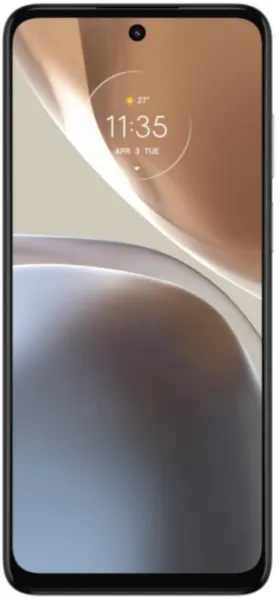
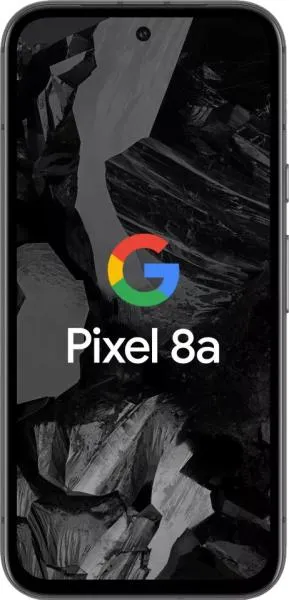
Motorola Moto G32 vs. Google Pixel 8a: A Deep Dive for the Discerning Smartphone User
The mid-range smartphone market is fiercely competitive, with devices vying for your attention with compelling features and attractive price points. Today, we dissect two contenders: the Motorola Moto G32 and the Google Pixel 8a. We'll go beyond the spec sheet, translating technical jargon into practical insights to help you choose the perfect device.
1. Specifications Breakdown
| Feature | Motorola Moto G32 | Google Pixel 8a | Real-World Implications |
|---|---|---|---|
| Design | |||
| Dimensions (mm) | 161.8 x 73.8 x 8.5 | 152.1 x 72.7 x 8.9 | Pixel 8a is slightly smaller and thicker. Moto G32 might feel slightly larger in hand. |
| Weight (g) | 184 | 188 | Negligible weight difference; both feel comfortable for extended use. |
| Build Materials | Plastic | Aluminum & Glass | Pixel 8a offers a more premium feel and potentially better durability. |
| Display | |||
| Type | IPS LCD | OLED | Pixel 8a's OLED offers deeper blacks, richer colors, and better power efficiency. G32's LCD is generally less vibrant. |
| Size | 6.5" | 6.1" | G32 provides more screen real estate for media consumption; Pixel 8a offers a more compact, one-handed friendly experience. |
| Refresh Rate | 90Hz | 120Hz | Pixel 8a delivers smoother scrolling and animations, enhancing the overall user experience. |
| Resolution | 1080 x 2400 | 1080 x 2400 | Both offer sharp visuals suitable for everyday use. |
| Performance | |||
| Chipset | Snapdragon 680 4G | Google Tensor G3 | Tensor G3 offers significantly faster processing power and AI capabilities, enabling smoother multitasking and advanced features. |
| CPU | Octa-core | Nona-core | Pixel 8a's more powerful and efficient CPU architecture delivers superior performance. |
| GPU | Adreno 610 | Immortalis-G715s | Pixel 8a boasts a considerably more powerful GPU, ideal for demanding games and graphics-intensive applications. |
| RAM | 6GB | 8GB | Pixel 8a's larger RAM allows for smoother multitasking and app switching. |
| Camera | |||
| Main Camera | 50MP | 64MP | Pixel 8a's larger sensor and Google's computational photography prowess likely result in superior image quality. |
| Video Recording | 1080p@30fps | 4K@60fps | Pixel 8a offers substantially better video recording capabilities. |
| Battery Life | |||
| Capacity | 5000mAh | 4492mAh | Moto G32 likely offers longer battery life due to larger capacity and less demanding hardware. |
| Charging | 30W Fast Charging | 18W Fast Charging | Moto G32 charges faster. |
2. Key Insights
The Pixel 8a, despite its smaller battery, emerges as the clear performance leader. The Tensor G3 chip, coupled with 8GB of RAM, delivers a substantial performance advantage for demanding tasks, gaming, and AI-powered features. Its OLED display and superior camera system also contribute to a more premium user experience.
The Moto G32, however, shines in battery life. Its larger 5000mAh battery and less power-hungry processor can easily last a full day, even with heavy use. It also offers faster charging, getting you back to full power more quickly.
3. User Profiles and Recommendations
Pixel 8a: Best suited for users who prioritize performance, a premium user experience, a vibrant display, and advanced camera features. Ideal for mobile gamers, photographers, and those who demand smooth multitasking.
Moto G32: Best for users who prioritize battery life and value for money. Perfect for those who primarily use their phones for communication, social media, and light browsing, and need a device that can last all day on a single charge.
4. Buying Decision Framework
- What is your budget? The Pixel 8a commands a higher price due to its superior features.
- What are your primary smartphone needs? Prioritize performance and camera? Choose the Pixel 8a. Prioritize battery life and affordability? Opt for the Moto G32.
- How important is software and future updates? The Pixel 8a, being a Google phone, will receive longer software updates and potentially exclusive features.
My Choice: I would choose the Google Pixel 8a. While the Moto G32 offers tempting battery life, the Pixel 8a's significant performance advantage, superior camera, vibrant OLED display, and the promise of longer software updates are compelling. I value a smooth and responsive user experience, and the Pixel 8a delivers precisely that. The slightly higher price is a worthwhile investment for the long-term benefits it offers. While battery life is important, I'd rather carry a portable charger than compromise on performance and features.
