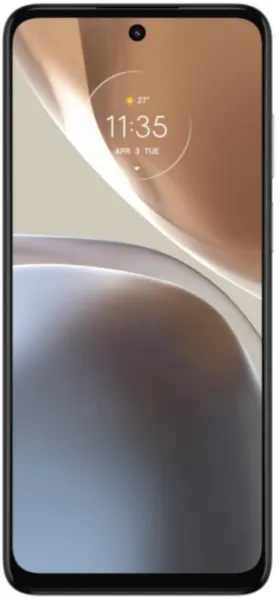
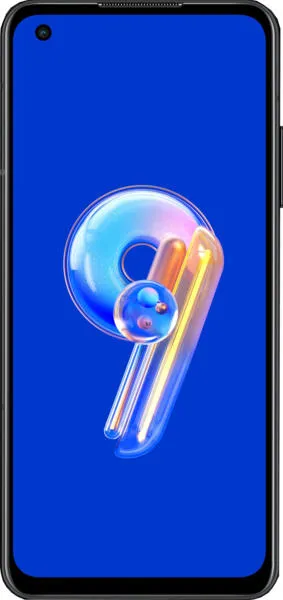
Let's dive into a comparative analysis of the Motorola Moto G32 and the Asus Zenfone 9, dissecting their technical specifications and translating them into real-world implications for you.
1. Specifications Breakdown
| Feature | Motorola Moto G32 | Asus Zenfone 9 | Real-World Implications |
|---|---|---|---|
| Design | |||
| Dimensions (mm) | 161.8 x 73.8 x 8.5 | 146.5 x 68.1 x 9.1 | Zenfone 9 is significantly more compact, offering better one-handed usability. |
| Weight (g) | 184 | 169 | Zenfone 9 is noticeably lighter, enhancing portability. |
| Display | |||
| Type | IPS LCD, 90Hz | AMOLED, 120Hz | Zenfone 9 boasts richer colors, deeper blacks, and smoother scrolling thanks to AMOLED and a higher refresh rate. |
| Size | 6.5" | 5.9" | G32 offers a larger screen for media consumption; Zenfone 9 prioritizes portability. |
| Resolution | 1080 x 2400 | 1080 x 2400 | Comparable sharpness despite the size difference. |
| Performance | |||
| Chipset | Snapdragon 680 4G | Snapdragon 8+ Gen 1 | Zenfone 9 delivers vastly superior processing power, enabling seamless multitasking and demanding gaming. |
| CPU | Octa-core (2.4 GHz) | Octa-core (3.19 GHz) | Zenfone 9's flagship CPU ensures snappy performance across all tasks. |
| GPU | Adreno 610 | Adreno 730 | Zenfone 9's powerful GPU handles graphics-intensive applications with ease. |
| RAM | 6GB | 8GB/16GB | Zenfone 9 offers more RAM, further enhancing multitasking and overall responsiveness. |
| Camera | |||
| Main Camera | 50MP | 50MP | Both have high-resolution sensors, but Zenfone 9's Sony IMX766 sensor and gimbal stabilization likely outperform. |
| Video Recording | 1080p@30fps | 8K@24fps | Zenfone 9 offers significantly higher video resolution and advanced stabilization. |
| Battery Life | |||
| Capacity | 5000 mAh | 4300 mAh | G32 likely offers longer battery life due to its larger capacity and less power-hungry processor. |
2. Key Insights
- Performance: The Zenfone 9 is a clear winner, powered by a flagship Snapdragon 8+ Gen 1 processor. This translates to a significantly smoother and faster experience, especially for demanding tasks like gaming and video editing. The Moto G32 is a mid-range device, suitable for everyday use but not heavy lifting.
- Display: While both phones have the same resolution, the Zenfone 9's AMOLED display with a 120Hz refresh rate provides vibrant colors, deeper blacks, and smoother animations compared to the G32's 90Hz IPS LCD. However, the G32 offers a larger screen, which might be preferred for media consumption.
- Camera: Both phones boast a 50MP main camera, but the Zenfone 9 utilizes a superior Sony IMX766 sensor coupled with a 6-axis gimbal stabilization, hinting at better low-light performance and smoother videos. The Zenfone 9 also offers 8K video recording, a significant advantage over the G32's 1080p capability.
- Battery Life: The G32's larger 5000mAh battery will likely provide longer usage time compared to the Zenfone 9's 4300mAh battery. This is partially offset by the Zenfone 9's more power-efficient display technology.
3. User Profiles and Recommendations
- Moto G32: Best suited for budget-conscious users who prioritize battery life and a large screen for media consumption. Ideal for casual users who primarily use their phones for browsing, social media, and light gaming.
- Asus Zenfone 9: Perfect for power users and gamers who demand top-tier performance, a premium display, and advanced camera features. Excellent for content creators and those who multitask extensively.
4. Buying Decision Framework
- What is your budget? The G32 is significantly more affordable than the Zenfone 9.
- What are your primary use cases? For casual use, the G32 is sufficient. For demanding tasks and gaming, the Zenfone 9 excels.
- Do you prioritize battery life or performance? The G32 likely offers longer battery life, while the Zenfone 9 delivers superior performance.
My Choice: Asus Zenfone 9
While the Moto G32 offers excellent value for its price, I would choose the Asus Zenfone 9. As a tech journalist who frequently uses demanding applications, records videos, and appreciates a smooth and responsive user experience, the Zenfone 9's flagship performance, stunning AMOLED display, and advanced camera system are compelling. The compact form factor is a bonus for portability. While the battery life might be slightly less than the G32, the overall performance and feature set of the Zenfone 9 better suit my needs and preferences. I'm willing to sacrifice a little battery life for a significant jump in overall quality and capability.
