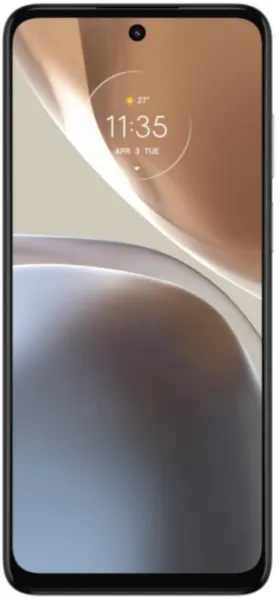
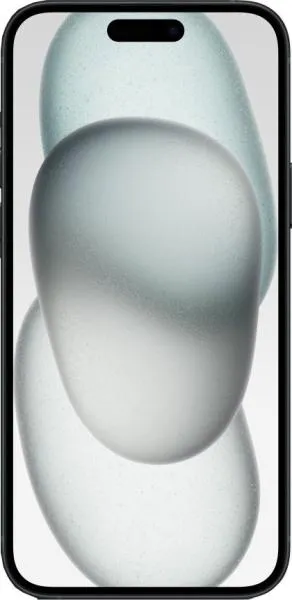
Motorola Moto G32 vs. Apple iPhone 15 Plus: A Deep Dive
Let's dissect the Motorola Moto G32 and the Apple iPhone 15 Plus, translating their specs into real-world experiences to help you decide which phone fits your needs.
1. Specifications Breakdown
| Feature | Motorola Moto G32 | Apple iPhone 15 Plus | Real-World Implications |
|---|---|---|---|
| Design | |||
| Dimensions (mm) | 161.8 x 73.8 x 8.5 | 160.9 x 77.8 x 7.8 | iPhone 15 Plus is slightly shorter, wider, and significantly thinner. Moto G32 is lighter. |
| Weight (g) | 184 | 201 | Noticeable difference in hand feel; Moto G32 might be more comfortable for extended use. |
| Build Materials | Plastic | Aluminum & Glass | iPhone 15 Plus offers a more premium feel and potentially better durability. |
| Display | |||
| Size (inches) | 6.5 | 6.7 | iPhone 15 Plus offers a larger screen for more immersive content consumption. |
| Resolution (px) | 1080 x 2400 | 1290 x 2796 | iPhone 15 Plus boasts sharper visuals due to higher resolution and pixel density. |
| Panel Type | IPS LCD, 90Hz | Super Retina XDR OLED | iPhone 15 Plus's OLED delivers superior contrast, deeper blacks, and potentially brighter highlights. |
| Refresh Rate | 90Hz | - | Moto G32's 90Hz provides smoother scrolling and animations; Unknown refresh rate for iPhone 15 Plus. |
| Performance | |||
| Chipset | Snapdragon 680 4G | A16 Bionic | iPhone 15 Plus significantly outperforms in processing power and graphics, enabling demanding tasks. |
| CPU | Octa-core | Hexa-core | A16 is built on a smaller fabrication node, likely leading to better performance per watt. |
| RAM (GB) | 6 | 6 | Comparable RAM; however, iOS optimization might lead to better memory management on iPhone. |
| Camera | |||
| Main Camera (MP) | 50 | 48 | Both offer high-resolution main sensors, but image quality depends on processing and sensor size. |
| Video Recording | 1080p@30fps | Up to 4K@60fps | iPhone 15 Plus provides significantly better video recording capabilities and quality. |
| Battery Life | |||
| Capacity (mAh) | 5000 | 4383 | Moto G32 has a larger battery capacity, suggesting potentially longer battery life. |
2. Key Insights
- Performance: The iPhone 15 Plus, powered by the A16 Bionic chip, is a performance powerhouse compared to the Moto G32. This translates to smoother multitasking, faster app loading, and superior gaming capabilities.
- Display: While the Moto G32 offers a smooth 90Hz refresh rate, the iPhone 15 Plus's Super Retina XDR OLED display delivers a visually richer experience with vibrant colors and deeper blacks.
- Camera: The iPhone 15 Plus excels in video recording capabilities, offering higher resolution and frame rates. Photo quality will depend heavily on real-world testing, but Apple generally excels in computational photography.
- Battery Life: The Moto G32's larger battery might translate to longer usage time, but the A16's efficiency could offset this difference. Real-world battery tests are crucial for determining actual performance.
- Software: The stark difference in operating systems (Android vs iOS) cater to different user preferences and ecosystem lock-in.
3. User Profiles and Recommendations
- Moto G32: Budget-conscious users who prioritize battery life and a smooth display for everyday tasks like browsing and social media.
- iPhone 15 Plus: Users seeking a premium experience with top-tier performance, a stunning display, and advanced camera capabilities. Those already invested in the Apple ecosystem will find this a natural upgrade.
4. Buying Decision Framework
- What is your budget? The Moto G32 is significantly more affordable.
- What are your performance needs? For demanding tasks and gaming, the iPhone 15 Plus is the clear winner.
- Which operating system do you prefer? This often comes down to personal preference and existing device ecosystem.
My Choice: As a tech journalist who values performance, a fluid user experience, and cutting-edge technology, I'd choose the iPhone 15 Plus. While the Moto G32 offers excellent value for its price, the iPhone 15 Plus's superior processing power, stunning display, and advanced camera features align better with my needs and workflow. The significant performance difference and the vibrant OLED display are compelling factors for me. While battery life is a concern, I'm willing to bet on the A16's efficiency. Furthermore, access to the latest iOS features and updates is crucial for staying at the forefront of mobile technology.
