1. Specifications Comparison
| Feature | Motorola Moto G14 | ZTE Blade V60 Design | Practical Impact |
|---|---|---|---|
| Design | |||
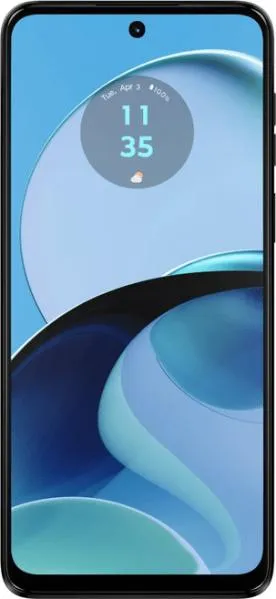
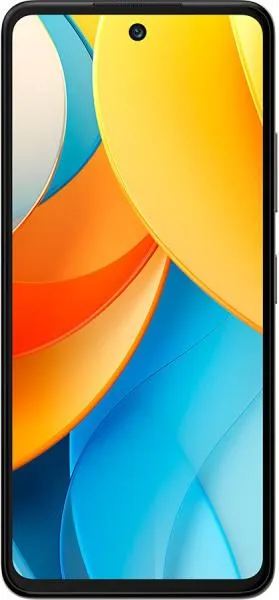
| Dimensions | 161.5 x 73.8 x 8 mm | 164.2 x 75.3 x 8.6 mm | The Moto G14 is slightly smaller and thinner, making it potentially more pocketable and comfortable to hold. |
| Weight | 177 g | 198 g | The Moto G14 is noticeably lighter, reducing hand fatigue during extended use. |
| Display | |||
| Size | 6.5" | 6.6" | Negligible difference in screen real estate. |
| Type | IPS LCD | IPS LCD | Both use LCD technology, expecting similar color accuracy and viewing angles. |
| Resolution | 1080 x 2400 | 720 x 1612 | The Moto G14 has a significantly sharper display, resulting in clearer text and images. The lower resolution on the ZTE will be noticeable. |
| Refresh Rate | Not specified | 90Hz | The 90Hz refresh rate on the ZTE should provide smoother scrolling and animations, but the impact is lessened by the lower resolution. The lack of refresh rate data for the Moto G14 makes a direct comparison impossible. |
| Performance | |||
| Chipset | Unisoc Tiger T616 (12 nm) | Unisoc T606 (12 nm) | Both use entry-level chipsets. The T616 in the Moto G14 is generally considered slightly more powerful based on benchmarks, likely resulting in slightly faster app loading and smoother multitasking. |
| CPU | Octa-core (2x2.0 GHz Cortex-A75 & 6x1.8 GHz Cortex-A55) | Octa-core (2x1.6 GHz Cortex-A75 & 6x1.6 GHz Cortex-A55) | The Moto G14 has faster clock speeds, contributing to its slightly better performance. |
| RAM | 8GB | 6GB | More RAM in the Moto G14 allows for more apps to run in the background without reloading, improving multitasking performance. |
| Storage | 256GB | 256GB | Both offer ample storage for average users. |
| Battery | |||
| Capacity | 5000 mAh | 5000 mAh | Similar battery capacities suggest comparable battery life, although real-world usage will vary depending on other factors. |
| Other | |||
| OS | Android 13 | Android 13 | Both run on the latest Android version, offering similar features and security updates. |
| Sensors | Accelerometer, gyro, proximity, Fingerprint (side-mounted) | Accelerometer, proximity, Fingerprint (side-mounted) | The Moto G14 includes a gyroscope sensor, enabling features like screen rotation and VR compatibility, which the ZTE lacks. |
2. Key Differences Analysis
Moto G14 Advantages:
- Sharper Display: Significantly higher resolution (1080p vs 720p).
- Slightly Better Performance: Faster CPU clock speeds and more RAM.
- Gyroscope Sensor: Enables more features and functionalities.
- Lighter and More Compact: Easier to handle and carry.
ZTE Blade V60 Design Advantages:
- Higher Refresh Rate Display: Potentially smoother scrolling and animations (although hampered by the low resolution).
3. User Profiles & Recommendations
Moto G14: Suitable for users who prioritize a sharp display, smoother performance, and a comfortable handheld experience. Good for general use, media consumption, and light gaming.
ZTE Blade V60 Design: Best suited for budget-conscious users who prioritize a smooth display over sharpness. Acceptable for basic tasks like browsing, social media, and communication.
4. Decision Framework
Key Questions for Buyers:
- How important is display sharpness to you?
- Do you prioritize performance for multitasking and demanding apps?
- What is your budget?
Scenario-Based Recommendations:
- Limited budget, basic usage: ZTE Blade V60 Design might be sufficient.
- Value for money, better overall experience: Moto G14 is the stronger choice.
My Choice: Motorola Moto G14
While the ZTE Blade V60 Design offers a 90Hz refresh rate, its significantly lower resolution display negates much of that benefit. The Moto G14's sharper screen, better performance, lighter weight, and inclusion of a gyroscope sensor make it a more well-rounded device. The slightly smaller size is also preferable for comfortable one-handed use. Even without knowing the exact price difference, the Moto G14 appears to be the superior choice for most users due to its significant advantages in key areas. The lack of a specified refresh rate for the Moto G14 is a minor concern, outweighed by the tangible benefits of its other features.
