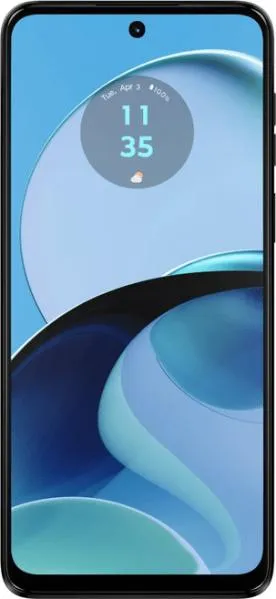
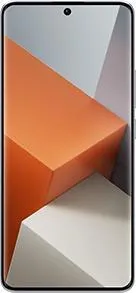
1. Specifications Comparison
| Feature | Motorola Moto G14 | Xiaomi Redmi Note 13 Pro+ | Practical Impact |
|---|---|---|---|
| Design | |||
| Dimensions | 161.5 x 73.8 x 8 mm | 161.4 x 74.2 x 8.9 mm | Virtually identical in hand feel. Redmi slightly thicker. |
| Weight | 177g | 199g | Moto G14 noticeably lighter for extended use. |
| Build | Not specified | Not specified | Build quality unknown for both, impacting durability. |
| Display | |||
| Size | 6.5" | 6.67" | Redmi offers slightly larger screen real estate. |
| Type | IPS LCD | AMOLED, 68B colors, 120Hz, Dolby Vision, HDR10+ | Redmi boasts significantly superior display with vibrant colors, smoother animations (120Hz), and HDR support for richer visuals. |
| Resolution | 1080 x 2400 | 1220 x 2712 | Redmi has a sharper display. |
| Peak Brightness | Not specified | 1800 nits | Redmi's display will be far more visible in sunlight. Missing spec for Moto G14 limits comparison. |
| Refresh Rate | Not specified | 120Hz | Redmi will provide a smoother user experience with scrolling and animations. Missing spec for Moto G14 limits comparison. |
| Performance | |||
| Chipset | Unisoc Tiger T616 (12 nm) | Mediatek Dimensity 7200 Ultra (4 nm) | Redmi significantly more powerful, enabling smoother multitasking, faster app loading, and better gaming performance. |
| CPU | Octa-core (2x2.0 GHz Cortex-A75 & 6x1.8 GHz Cortex-A55) | Octa-core (2x2.8 GHz Cortex-A715 & 6x2.0 GHz Cortex-A510) | Redmi's CPU offers superior performance due to faster clock speeds and more efficient architecture. |
| GPU | Mali-G57 MP1 | Mali-G610 MC4 | Redmi's GPU provides a substantial improvement in graphics performance for gaming and demanding applications. |
| RAM | 8GB | 8GB/12GB | Redmi offers a 12GB RAM option for even smoother multitasking. |
| Storage | 256GB | 256GB/512GB | Redmi offers more storage options for users with large media libraries. |
| Battery | |||
| Capacity | 5000 mAh | 5000 mAh | Similar battery capacity. Real-world battery life depends on optimization and usage. |
| Camera | |||
| Video Capabilities | 1080p@30fps | 4K@30fps, 1080p@120fps | Redmi offers superior video recording capabilities with 4K resolution and slow-motion options. |
| Other Specs | Not specified | Not specified | Camera sensor details and image quality comparisons are impossible due to missing information. |
2. Key Differences Analysis
Motorola Moto G14 Advantages:
- Lighter: Noticeably lighter, making it more comfortable for extended use.
- Lower Price: Belongs to a lower price range, making it more budget-friendly.
Xiaomi Redmi Note 13 Pro+ Advantages:
- Superior Display: AMOLED with 120Hz, HDR10+, Dolby Vision offers dramatically better visuals and smoother user experience.
- Significantly Faster Performance: Much more powerful chipset, CPU, and GPU enable demanding tasks and gaming.
- More Storage Options: Offers higher storage tiers for users needing ample space.
- Better Video Recording: Supports 4K recording and slow-motion.
3. User Profiles & Recommendations
Moto G14: Budget-conscious users who prioritize basic functionality, lightweight design, and long battery life. Suitable for calling, texting, web browsing, and light social media use.
Redmi Note 13 Pro+: Users who demand a premium experience with a vibrant display, smooth performance, excellent gaming capabilities, ample storage, and advanced camera features. Suitable for power users, mobile gamers, content creators, and photography enthusiasts.
4. Decision Framework
Key Questions for Buyers:
- What is your budget? The Moto G14 is significantly more affordable.
- What are your primary use cases? Basic tasks vs. demanding applications and gaming.
- How important is display quality and performance? The Redmi offers a vastly superior visual experience and smoother performance.
My Choice: Xiaomi Redmi Note 13 Pro+
While the Motorola Moto G14 offers a budget-friendly option, the Xiaomi Redmi Note 13 Pro+ is the clear winner for me. The superior display, significantly improved performance, larger storage options, and better video recording capabilities outweigh the price difference and slightly heavier weight. The Redmi Note 13 Pro+ offers a future-proof device capable of handling demanding tasks and providing a premium user experience. The vastly improved display alone would make a huge difference in daily usage. While the Moto G14 might be suitable for extremely budget-conscious users with basic needs, I value performance, a good display, and future-proofing, making the Redmi the better choice.
