1. Specifications Comparison
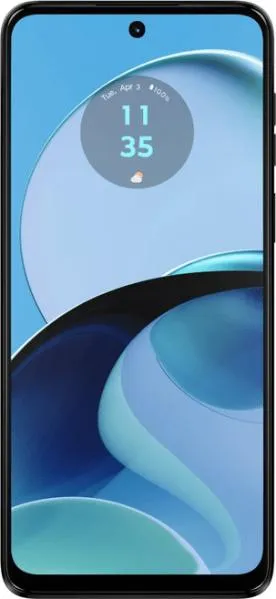
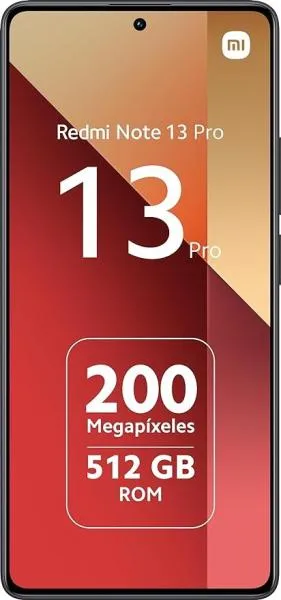
| Feature | Motorola Moto G14 | Xiaomi Redmi Note 13 Pro 4G | Practical Impact |
|---|---|---|---|
| Design | |||
| Dimensions (mm) | 161.5 x 73.8 x 8 | 161.1 x 75 x 8 | Virtually identical in size and thickness. |
| Weight (g) | 177 | 188 | Redmi is noticeably heavier, potentially impacting one-handed use. |
| Fingerprint Sensor | Side-mounted | Under-display | Preference-based, but under-display is often perceived as more modern. |
| Display | |||
| Size (inches) | 6.5 | 6.67 | Redmi offers slightly larger screen real estate. |
| Type | IPS LCD | AMOLED | Redmi's AMOLED provides significantly better contrast, deeper blacks, and potentially brighter colors. |
| Resolution | 1080 x 2400 | 1080 x 2400 | Identical resolution, resulting in similar sharpness. |
| Refresh Rate (Hz) | Not specified | 120 | Redmi's 120Hz offers smoother animations and scrolling compared to Moto G14's unspecified refresh rate (likely 60Hz). |
| Peak Brightness (nits) | Not specified | 1300 | Redmi's much higher peak brightness ensures better visibility in direct sunlight. |
| Performance | |||
| Chipset | Unisoc Tiger T616 (12 nm) | Mediatek Helio G99 Ultra | Redmi's G99 Ultra likely offers improved performance in demanding tasks and gaming due to faster CPU cores. |
| CPU | Octa-core (2x2.0 GHz Cortex-A75 & 6x1.8 GHz Cortex-A55) | Octa-core (2x2.2 GHz Cortex-A76 & 6x2.0 GHz Cortex-A55) | Redmi's CPU has faster performance cores, translating to faster app loading and multitasking. |
| GPU | Mali-G57 MP1 | Mali-G57 MC2 | Redmi's GPU likely provides better gaming performance. The MC2 variant generally has more cores than the MP1. |
| RAM | 8GB | 8GB/12GB | Redmi offers a 12GB RAM option for even smoother multitasking and handling demanding applications. |
| Storage | 256GB | 256GB/512GB | Redmi offers a 512GB storage option for users needing more space. |
| Battery | |||
| Capacity (mAh) | 5000 | 5000 | Identical battery capacity, but real-world battery life will depend on other factors like display and chipset efficiency. |
| Other | |||
| OS | Android 13 | Android 13 | Both run on Android 13, but Redmi guarantees updates to Android 16. |
| USB | USB Type-C 2.0 | USB Type-C 2.0, OTG | Redmi supports On-The-Go (OTG) for connecting peripherals like flash drives. |
| NFC | True | True | Both support NFC for contactless payments. |
| Video Recording | 1080p@30fps | 1080p@30/60fps | Redmi offers more flexibility in video recording with the option for 60fps. |
2. Key Differences Analysis
Motorola Moto G14 Advantages:
- Potentially Lower Price: Belonging to the "low price" range, it likely offers better value for budget-conscious users.
- Lighter Weight: More comfortable for extended one-handed use.
Xiaomi Redmi Note 13 Pro 4G Advantages:
- Superior Display: AMOLED with 120Hz refresh rate and high brightness offers a significantly better visual experience.
- Improved Performance: More powerful chipset and CPU for smoother multitasking and gaming.
- More RAM and Storage Options: Provides flexibility for power users or those needing ample storage.
- Longer Software Support: Guaranteed updates up to Android 16.
- More Versatile Video Recording: Offers 60fps recording for smoother videos.
Trade-offs:
- Price: The Redmi Note 13 Pro 4G's advanced features come at a higher price.
- Weight: The Redmi is heavier, which might be less comfortable for some users.
3. User Profiles & Recommendations
Motorola Moto G14: Ideal for budget-conscious users prioritizing basic smartphone functionality, casual usage (social media, browsing), and lightweight design.
Xiaomi Redmi Note 13 Pro 4G: Suited for users who value a premium display, smooth performance, future-proof software, ample storage, and don't mind paying extra for these features. Ideal for gamers, multimedia consumers, and power users.
4. Decision Framework
Key Questions for Buyers:
- What is your budget? The Moto G14 is a budget option, while the Redmi Note 13 Pro 4G sits in a higher price bracket.
- What are your primary smartphone uses? Casual use vs. demanding tasks like gaming or multimedia consumption.
- How important is display quality? The Redmi's AMOLED display is a significant upgrade over the Moto G14's LCD.
Scenario-Based Recommendations:
- Tight budget, basic usage: Moto G14
- Moderate budget, value performance and display: Redmi Note 13 Pro 4G
My Choice: Xiaomi Redmi Note 13 Pro 4G
While the Motorola Moto G14 offers excellent value for its price, the Xiaomi Redmi Note 13 Pro 4G is the better overall phone due to its significantly superior display (AMOLED, 120Hz), noticeably better performance (Helio G99 Ultra), longer software support (Android 16), and more versatile video recording capabilities. The slightly higher price and increased weight are acceptable trade-offs for the substantial improvements in user experience. The smoother performance, vibrant display, and guaranteed software updates would provide a more enjoyable and longer-lasting smartphone experience. Specifically, the 120Hz AMOLED display is a huge draw for me, as it drastically improves the fluidity and responsiveness of everyday interactions.
