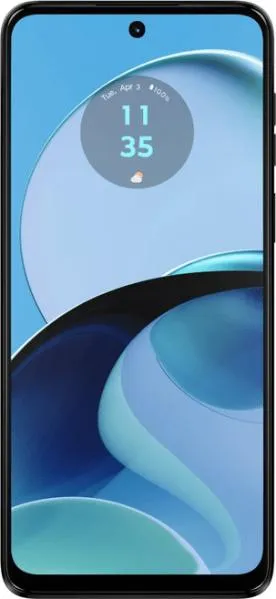
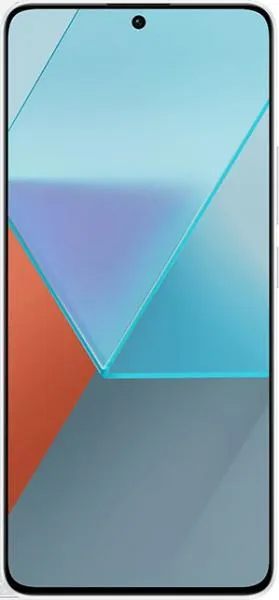
1. Specifications Comparison
| Feature | Motorola Moto G14 | Xiaomi Redmi Note 13 Pro | Practical Impact |
|---|---|---|---|
| Design | |||
| Dimensions | 161.5 x 73.8 x 8 mm | 161.2 x 74.2 x 8 mm | Virtually identical in size and thickness. |
| Weight | 177g | 187g | Redmi Note 13 Pro is noticeably heavier, potentially impacting one-handed use. |
| Build | Not specified | Not specified | Build quality cannot be compared due to missing information. |
| Display | |||
| Size | 6.5" | 6.67" | Redmi offers a slightly larger screen for more immersive content consumption. |
| Type | IPS LCD | AMOLED, 68B colors, Dolby Vision | Redmi's AMOLED offers superior contrast, richer colors, and HDR support, resulting in a significantly better viewing experience. |
| Resolution | 1080 x 2400 | 1220 x 2712 | Redmi boasts sharper visuals due to higher resolution and pixel density. |
| Refresh Rate | Not specified | 120Hz | Redmi's 120Hz refresh rate delivers smoother animations and scrolling, enhancing responsiveness. |
| Peak Brightness | Not specified | 1800 nits | Redmi's significantly higher peak brightness ensures excellent outdoor visibility. Missing Moto G14 data prevents full comparison. |
| Performance | |||
| Chipset | Unisoc Tiger T616 (12 nm) | Qualcomm Snapdragon 7s Gen 2 (4 nm) | Redmi's Snapdragon chip offers significantly better performance and efficiency due to its more advanced architecture and manufacturing process. |
| CPU | Octa-core (2x2.0 GHz Cortex-A75 & 6x1.8 GHz Cortex-A55) | Octa-core (4x2.40 GHz Cortex-A78 & 4x1.95 GHz Cortex-A55) | Redmi's CPU features faster and more powerful cores, resulting in smoother multitasking and faster app loading. |
| GPU | Mali-G57 MP1 | Adreno 710 | Redmi's GPU provides a substantial improvement in gaming performance and graphics rendering. |
| RAM/Storage | 256GB/8GB RAM | 512GB/12GB RAM, 256GB/8GB RAM, 256GB/12GB RAM | Redmi offers more RAM and storage options for greater flexibility and future-proofing. |
| Camera | |||
| Video Capabilities | 1080p@30fps | 4K@30fps, 1080p@120fps | Redmi allows for higher resolution video recording and slow-motion capture. Missing detailed camera specs limit thorough comparison. |
| Battery | |||
| Capacity | 5000 mAh | 5100 mAh | Negligible difference in battery capacity. Real-world battery life will depend more on software optimization and display efficiency. |
2. Key Differences Analysis
Redmi Note 13 Pro Advantages:
- Superior Display: AMOLED with higher resolution, refresh rate, and brightness offers a dramatically better visual experience.
- Significantly Better Performance: The Snapdragon 7s Gen 2 provides a considerable performance advantage for demanding tasks and gaming.
- More Versatile Camera: 4K video recording and slow-motion capture offer more creative options.
- More RAM and Storage options: Provides flexibility and future-proofing.
Motorola Moto G14 Advantages:
- Potentially Lighter: Might be slightly more comfortable for extended one-handed use.
- Lower Price: Expected given the lower specifications.
3. User Profiles & Recommendations
Moto G14: Budget-conscious users who prioritize basic functionality (calling, texting, web browsing) and light media consumption.
Redmi Note 13 Pro: Users who value a premium multimedia experience, smooth performance for gaming or demanding apps, and advanced camera features.
4. Decision Framework
Key Questions:
- What is your budget? The Redmi Note 13 Pro commands a higher price.
- What are your primary smartphone usage patterns? Gaming, media consumption, or basic communication?
- How important is display quality and performance?
Scenario-Based Recommendations:
- Tight Budget, Basic Usage: Moto G14
- Balanced Needs, Value for Money: Redmi Note 13 Pro (base storage/RAM variant)
- Power User, Premium Experience: Redmi Note 13 Pro (higher storage/RAM variant)
My Choice: Xiaomi Redmi Note 13 Pro
The Redmi Note 13 Pro offers a significantly superior overall experience due to its vastly improved display, performance, and camera capabilities. The price difference is justifiable considering the substantial upgrades. While the Moto G14 might appeal to extremely budget-conscious buyers, the Redmi's advantages in crucial areas like display and performance make it the clear winner for most users. The smoother refresh rate, brighter and more vibrant AMOLED screen, and the more powerful processor would significantly enhance daily usage, making the Redmi Note 13 Pro a more enjoyable and future-proof device.
