1. Specifications Comparison
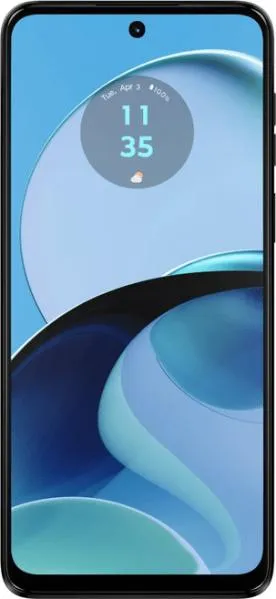
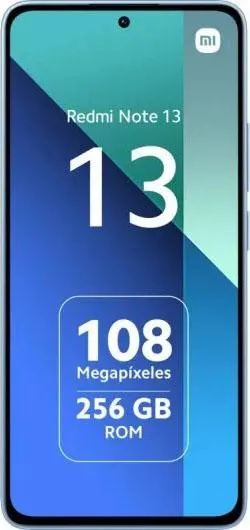
| Feature | Motorola Moto G14 | Xiaomi Redmi Note 13 4G | Practical Impact |
|---|---|---|---|
| Design | |||
| Dimensions (mm) | 161.5 x 73.8 x 8 | 162.3 x 75.6 x 8 | Redmi is slightly larger; negligible difference in daily use. |
| Weight (g) | 177 | 188.5 | Moto G14 is noticeably lighter, improving one-handed use. |
| Fingerprint Sensor | Side-mounted | Under-display | Personal preference; both are reliable unlocking methods. |
| Display | |||
| Display Type | IPS LCD | AMOLED | Redmi offers richer colors, deeper blacks, and better power efficiency. |
| Size (inches) | 6.5 | 6.67 | Redmi has a slightly larger screen for more immersive content consumption. |
| Resolution | 1080 x 2400 | 1080 x 2400 | Identical resolution; sharpness is similar on both devices. |
| Refresh Rate (Hz) | Not specified | 120 | Redmi's 120Hz provides smoother scrolling and animations. |
| Peak Brightness (nits) | Not specified | 1800 | Redmi's superior brightness ensures better outdoor visibility. |
| Performance | |||
| Chipset | Unisoc Tiger T616 (12 nm) | Qualcomm Snapdragon 685 (6 nm) | Snapdragon 685 generally offers better performance and efficiency. |
| CPU | Octa-core (2x2.0 GHz Cortex-A75 & 6x1.8 GHz Cortex-A55) | Octa-core (4x2.8 GHz Cortex-A73 & 4x1.9 GHz Cortex-A53) | Redmi likely has a performance advantage due to faster core speeds and architecture. |
| GPU | Mali-G57 MP1 | Adreno 610 | Adreno 610 generally provides better gaming performance. |
| RAM | 8GB | 8GB | Same RAM capacity; multitasking performance should be similar. |
| Storage | 256GB | 128GB/256GB | Redmi offers more storage configuration options. |
| Battery | |||
| Capacity (mAh) | 5000 | 5000 | Identical battery capacity; real-world battery life will depend on software and usage. |
| Other | |||
| OS | Android 13 | Android 13 (upgradable to 16) | Redmi has longer software support, ensuring security and feature updates. |
| NFC | Yes | Yes | Both support contactless payments. |
| USB | USB Type-C 2.0 | USB Type-C 2.0, OTG | Redmi's OTG allows connecting peripherals like USB drives. |
2. Key Differences Analysis
Motorola Moto G14 Advantages:
- Lighter Weight: Noticeably more comfortable for extended use and one-handed operation.
- Lower Price: Positioned in the "low price" range, offering potentially better value.
Xiaomi Redmi Note 13 4G Advantages:
- Superior Display: AMOLED technology with 120Hz refresh rate and high brightness delivers a significantly better visual experience.
- Better Performance: More powerful processor and GPU for smoother multitasking and gaming.
- Longer Software Support: Guaranteed updates to Android 16, ensuring longer-term security and features.
- More Storage Options: Provides flexibility for users with varying storage needs.
- OTG Support: Expanded connectivity options for peripherals.
3. User Profiles & Recommendations
Motorola Moto G14: Ideal for budget-conscious users prioritizing basic smartphone functionality, lightweight design, and long battery life. Best for:
- Casual users primarily focused on calling, texting, and web browsing.
- Users sensitive to phone weight and comfortable with a less vibrant display.
Xiaomi Redmi Note 13 4G: Suitable for users who value a premium display, smooth performance, and extended software support. Best for:
- Mobile gamers and users consuming media heavily.
- Users who prioritize future-proofing with software updates.
- Those who need expandable storage via OTG.
4. Decision Framework
Key Questions for Buyers:
- What is your budget? The Moto G14 is significantly more affordable.
- How important is display quality? The Redmi Note 13 4G offers a vastly superior visual experience.
- What is your primary usage? Casual users might find the Moto G14 sufficient, while power users would benefit from the Redmi's performance.
My Choice: Xiaomi Redmi Note 13 4G
While the Motorola Moto G14 offers excellent value for its price, the Xiaomi Redmi Note 13 4G is the better overall device. The superior AMOLED display with 120Hz refresh rate, the more powerful processor, and the longer software support outweigh the price difference and the slight increase in weight. The improved performance and visual experience contribute significantly to daily usability and long-term satisfaction. As a smartphone analyst focused on the long-term value and user experience, I would prioritize these features. While budget is a significant factor, the Redmi Note 13 4G represents a worthwhile investment for a more enjoyable and future-proof smartphone experience.
