1. Specifications Comparison
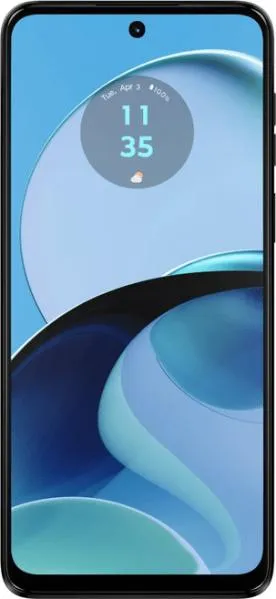
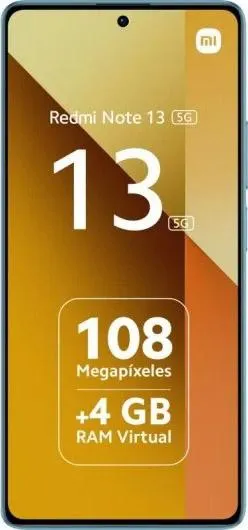
| Feature | Motorola Moto G14 | Xiaomi Redmi Note 13 | Practical Impact |
|---|---|---|---|
| Design | |||
| Dimensions | 161.5 x 73.8 x 8 mm | 161.1 x 75 x 7.6 mm | Redmi Note 13 is slightly wider and thicker. Negligible difference in hand feel. |
| Weight | 177g | 174.5g | Virtually identical weight. |
| Build Materials | Not specified | Not specified | Cannot compare build quality and durability. |
| Display | |||
| Display Type | IPS LCD | AMOLED, 1B colors | Redmi Note 13 offers significantly better contrast, color accuracy, and deeper blacks due to AMOLED technology. |
| Size | 6.5" | 6.67" | Redmi Note 13 has a slightly larger display, providing more screen real estate. |
| Resolution | 1080 x 2400 | 1080 x 2400 | Identical resolution; sharpness will be similar. Redmi Note 13 might have slightly lower pixel density due to the larger screen size, but the difference is negligible. |
| Refresh Rate | Not specified | 120Hz | Redmi Note 13's 120Hz refresh rate delivers smoother animations, scrolling, and a more responsive feel. Lack of information for the Moto G14 prevents direct comparison. |
| Peak Brightness | Not specified | 1000 nits | Redmi Note 13 should be significantly more visible in direct sunlight. Lack of information for the Moto G14 limits comparison. |
| Performance | |||
| Chipset | Unisoc Tiger T616 (12 nm) | Mediatek Dimensity 6080 (6 nm) | Redmi Note 13's 6nm chipset should offer better performance and power efficiency due to its more advanced manufacturing process. |
| CPU | Octa-core (2x2.0 GHz Cortex-A75 & 6x1.8 GHz Cortex-A55) | Octa-core (2x2.4 GHz Cortex-A76 & 6x2.0 GHz Cortex-A55) | Redmi Note 13's faster CPU cores and higher clock speeds will likely result in noticeable performance improvements in demanding tasks and multitasking. |
| GPU | Mali-G57 MP1 | Mali-G57 MC2 | Redmi Note 13's GPU likely offers better graphics performance, though the extent depends on the core count difference which is not specified in "MC2". |
| RAM | 8GB | 8GB/12GB | Redmi Note 13 offers a 12GB RAM option for even smoother multitasking and demanding applications. |
| Storage | 256GB | 256GB | Identical storage capacity in base models. |
| Battery | |||
| Capacity | 5000 mAh | 5000 mAh | Identical battery capacity. Real-world battery life will depend on software optimization and display power consumption. Redmi Note 13's more efficient chipset might offer better battery life. |
| Other | |||
| OS | Android 13 | Android 13 (upgradable to 16) | Redmi Note 13 has longer software support, ensuring security updates and new features for a longer period. |
| NFC | Yes | Yes | Both support contactless payments. |
| USB | USB Type-C 2.0 | USB Type-C 2.0, OTG | Redmi Note 13 supports USB On-The-Go, allowing it to connect to peripherals like USB drives and keyboards. |
2. Key Differences Analysis
Redmi Note 13 Advantages:
- Superior Display: AMOLED with 120Hz refresh rate provides a significantly smoother and visually appealing experience.
- Better Performance: More powerful and efficient chipset with faster CPU and potentially better GPU.
- Longer Software Support: Guaranteed updates to Android 16.
- USB OTG: Added versatility for connecting peripherals.
Moto G14 Advantages:
- Potentially Lower Price: Depending on market pricing, the Moto G14 might be more budget-friendly. However, this is not confirmed since price is listed as "low" for both.
3. User Profiles & Recommendations
Redmi Note 13: Users who prioritize a smooth and vibrant display, better performance for gaming or multitasking, and longer software support.
Moto G14: Budget-conscious users who primarily use their phones for basic tasks like calling, texting, and browsing, and don't prioritize display quality or demanding performance. This recommendation is contingent on the Moto G14 having a lower price point.
4. Decision Framework
Key Questions for Buyers:
- What is your budget? If price is the primary concern, the Moto G14 might be a better option if priced lower.
- How important is display quality and smoothness? The Redmi Note 13's AMOLED display with 120Hz is a significant upgrade.
- What kind of tasks will you use the phone for? For demanding games or multitasking, the Redmi Note 13 is recommended.
My Choice: Xiaomi Redmi Note 13
The Redmi Note 13 is the clear winner for me. While we don't have pricing information, the significant advantages in display quality, performance, and software support outweigh any potential price difference. The AMOLED display with 120Hz refresh rate alone is a massive upgrade over the Moto G14's LCD. The Redmi Note 13 also provides a more future-proof experience thanks to its more powerful processor and longer software update commitment. Even if the Moto G14 were significantly cheaper, the Redmi Note 13 offers a vastly improved user experience that justifies the potential extra cost. The improved performance and longer software updates ensure the phone remains usable and enjoyable for a longer period, making it a smarter long-term investment.
