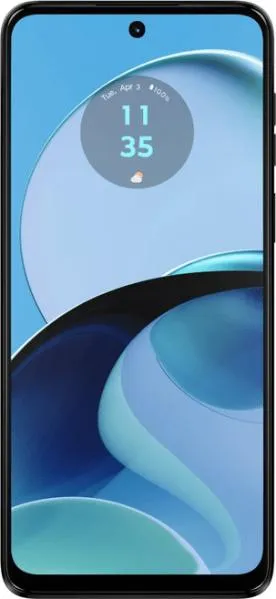
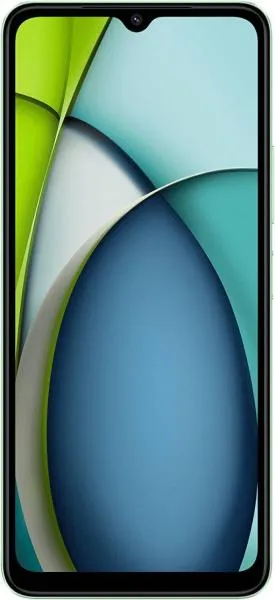
1. Specifications Comparison
| Feature | Motorola Moto G14 | Xiaomi Redmi A3x | Practical Impact |
|---|---|---|---|
| Design | |||
| Dimensions | 161.5 x 73.8 x 8 mm | 168.4 x 76.3 x 8.3 mm | The Moto G14 is noticeably smaller and thinner, making it more pocketable and comfortable for one-handed use. |
| Weight | 177g | 193g | The Moto G14 is lighter, reducing hand fatigue during extended use. |
| Display | |||
| Size | 6.5" | 6.71" | The Redmi A3x offers a slightly larger screen for more immersive content consumption. |
| Type | IPS LCD | IPS LCD | Both use the same display technology, generally offering good color reproduction but potentially lacking the deep blacks of AMOLED screens. |
| Resolution | 1080 x 2400 | 720 x 1650 | The Moto G14 has a significantly sharper display (405 ppi vs 268 ppi), resulting in clearer text and images. |
| Refresh Rate | Not specified | 90Hz | The Redmi A3x's 90Hz refresh rate provides smoother scrolling and animations, making the user interface feel more responsive. The lack of information for the Moto G14 prevents direct comparison but suggests it likely has a standard 60Hz refresh rate. |
| Brightness | Not specified | 500 nits | Redmi A3x's brightness is sufficient for indoor use, but outdoor visibility might be limited. The lack of data for Moto G14 prevents comparison. |
| Performance | |||
| Chipset | Unisoc Tiger T616 (12 nm) | Unisoc T603 (22 nm) | The Moto G14's 12nm chipset is likely more power efficient and potentially offers better performance than the 22 nm Unisoc T603. |
| CPU | Octa-core (2x2.0 GHz Cortex-A75 & 6x1.8 GHz Cortex-A55) | Octa-core 1.8 GHz | The Moto G14's CPU configuration suggests better performance, especially in demanding tasks, due to the higher clock speed of its performance cores. |
| GPU | Mali-G57 MP1 | 8 | While specific details on the Redmi A3x's GPU are lacking, the Mali-G57 MP1 in the Moto G14 generally provides decent graphics performance for casual gaming. |
| RAM | 8GB | 4GB | The Moto G14 offers double the RAM, enabling smoother multitasking and better performance with multiple apps open. |
| Storage | 256GB | 128GB | The Moto G14 provides significantly more storage for apps, photos, and videos. |
| OS | Android 13 | Android 14 | The Redmi A3x ships with a newer Android version, offering potential access to newer features and longer software support up to Android 16. |
| Other | |||
| NFC | True | False | The Moto G14 supports NFC for contactless payments and other functionalities, while the Redmi A3x does not. |
| Battery | 5000 mAh | 5000 mAh | Both phones have the same battery capacity, but real-world battery life will depend on factors like display usage, chipset efficiency, and software optimization. |
2. Key Differences Analysis
Motorola Moto G14 Advantages:
- Sharper Display: Significantly higher resolution for clearer visuals.
- More Powerful Performance: More efficient chipset, faster CPU, more RAM, and larger storage contribute to a smoother user experience.
- NFC Support: Enables convenient contactless payments.
- More Compact Design: Smaller and lighter for easier handling.
Xiaomi Redmi A3x Advantages:
- Higher Refresh Rate Display: Smoother scrolling and animations.
- Newer Software: Ships with Android 14 and guaranteed updates to Android 16.
- Potentially Lower Price: While not explicitly stated, Redmi phones generally target a very aggressive price point.
Trade-offs:
- Moto G14: Older Android version out of the box, unknown peak display brightness.
- Redmi A3x: Lower resolution display, less powerful performance, no NFC, larger and heavier design.
3. User Profiles & Recommendations
Motorola Moto G14: Users who prioritize performance, a sharp display, ample storage, and NFC functionality. Suitable for tasks like multitasking, media consumption, mobile gaming, and mobile payments.
Xiaomi Redmi A3x: Users on a tight budget who prioritize a large display with a high refresh rate and the latest Android version. Suitable for basic tasks like web browsing, social media, and casual gaming. Good for users who value software updates.
4. Decision Framework
Key Questions for Buyers:
- What is your budget? The Redmi A3x is likely cheaper.
- What are your performance needs? The Moto G14 is more powerful.
- Which features are most important? (e.g., display sharpness, refresh rate, NFC, software updates)
Scenario-Based Recommendations:
- Limited Budget, Basic Use: Redmi A3x
- Balanced Performance and Features: Moto G14
My Choice: Motorola Moto G14
While the Redmi A3x offers a newer OS and higher refresh rate, the Moto G14's superior performance, sharper display, larger storage, NFC functionality, and more compact design make it a more compelling overall package for my needs. I prioritize a smooth user experience and value features like NFC for mobile payments. The performance difference between the two chipsets and the significantly sharper display of the Moto G14 outweigh the benefits of a slightly newer Android version and higher refresh rate screen for me. The lack of specific brightness information limits my analysis, but based on the available data, the Moto G14 seems like a more well-rounded device.
