1. Specifications Comparison
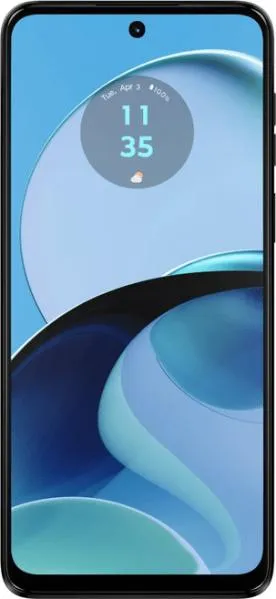
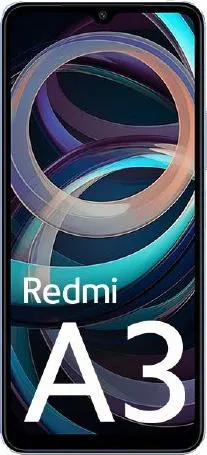
| Feature | Motorola Moto G14 | Xiaomi Redmi A3 | Practical Impact |
|---|---|---|---|
| Design | |||
| Dimensions (HxWxD) | 161.5x73.8x8mm | 168.3x76.3x8.3mm | Redmi A3 is slightly larger and thicker. Moto G14 might feel more compact in hand. |
| Weight | 177g | 193g | Redmi A3 is noticeably heavier. Prolonged use might lead to more hand fatigue. |
| Display | |||
| Size | 6.5" | 6.71" | Redmi A3 offers a slightly larger screen for media consumption. |
| Type | IPS LCD | IPS LCD | Both offer similar display technology with decent color reproduction but limited viewing angles compared to AMOLED. |
| Resolution | 1080x2400 | 720x1650 | Moto G14 has a significantly sharper display (405 ppi vs 268 ppi), resulting in clearer text and images. |
| Refresh Rate | null | 90Hz | Redmi A3's 90Hz refresh rate provides smoother scrolling and animations, leading to a more fluid user experience. Moto G14's is unknown. |
| Brightness (Peak) | null | 500 nits (HBM) | Redmi A3's specified peak brightness suggests better outdoor visibility. We lack data for Moto G14's peak brightness. |
| Performance | |||
| Chipset | Unisoc T616 | Mediatek Helio G36 | While both are entry-level chipsets, the Unisoc T616 generally benchmarks slightly higher in CPU performance. Real-world differences might be minimal. |
| CPU | 2x2.0 GHz A75, 6x1.8 GHz A55 | 8x2.2 GHz A53 | Moto G14's CPU architecture with higher clocked performance cores might offer better burst performance in demanding tasks. |
| GPU | Mali-G57 MP1 | PowerVR GE8320 | Mali-G57 generally provides better gaming performance compared to the PowerVR GE8320. |
| RAM | 8GB | 4GB/6GB | Moto G14's 8GB RAM allows for better multitasking and smoother performance with multiple apps open. |
| Storage | 256GB | 128GB | Moto G14 offers double the storage, beneficial for users who store lots of media or apps. |
| Other | |||
| OS | Android 13 | Android 14 | Redmi A3 comes with a newer Android version out of the box, potentially offering newer features and longer software support. |
| Battery | 5000 mAh | 5000 mAh | Similar battery capacity suggests comparable battery life. Real-world usage will depend on individual usage patterns and software optimization. |
| NFC | Yes | Yes | Both support contactless payments and data transfer. |
| Sensors | accelerometer, gyro, proximity, fingerprint | accelerometer, compass, fingerprint | Moto G14 includes a gyroscope sensor for motion-based gaming and VR applications. Redmi A3 lacks gyro but includes a compass. |
2. Key Differences Analysis
Moto G14 Advantages:
- Sharper Display: Significantly higher resolution leads to a much clearer and more detailed visual experience.
- More Powerful Performance: Better CPU and GPU, coupled with more RAM, provide a smoother and more responsive user experience, especially for gaming and multitasking.
- Larger Storage: Double the storage capacity accommodates more apps, photos, and videos.
Redmi A3 Advantages:
- Higher Refresh Rate: Smoother scrolling and animations result in a more fluid user experience.
- Newer Android Version: Potentially longer software support and access to newer features.
- Potentially Brighter Display: While not confirmed, the listed peak brightness suggests better outdoor visibility.
3. User Profiles & Recommendations
Moto G14: Ideal for users who prioritize display quality, performance, and storage. Suitable for gaming, media consumption, and multitasking.
Redmi A3: Suitable for budget-conscious users who prioritize a smooth user experience and the latest Android features. Good for general use, social media, and light gaming.
4. Decision Framework
Key Questions:
- What is your budget? Both are low-priced, but slight price differences might exist.
- What are your primary use cases? Gaming, media consumption, or basic tasks?
- Which features are most important to you? Display quality, performance, software updates, or battery life?
My Choice: Motorola Moto G14
While the Redmi A3 offers a smoother display experience with its 90Hz refresh rate and newer Android version, the Moto G14's significantly sharper display, superior performance due to better CPU/GPU and larger RAM, and double the storage make it a more compelling overall package for me. The lack of gyroscope on the Redmi A3 is also a drawback. I value a crisp, responsive experience and ample storage, making the Moto G14 the better choice in my opinion. The superior resolution would significantly enhance day-to-day usage for me.
