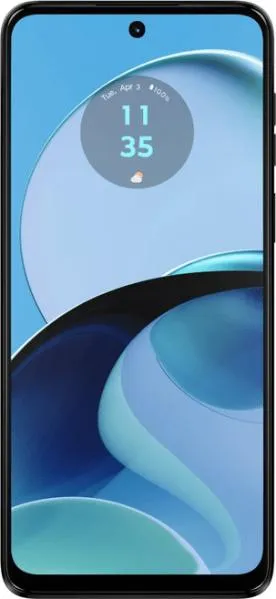
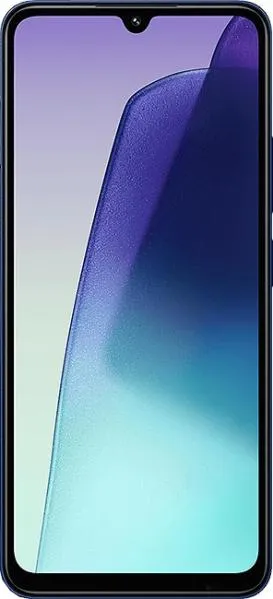
1. Specifications Comparison
| Feature | Motorola Moto G14 | Xiaomi Redmi 14C | Practical Impact |
|---|---|---|---|
| Design | |||
| Dimensions | 161.5 x 73.8 x 8 mm | 171.9 x 77.8 x 8.2 mm | The Redmi 14C is noticeably larger and slightly thicker. This might make the Moto G14 more pocketable and comfortable for one-handed use. |
| Weight | 177g | 211g | The Redmi 14C is significantly heavier, potentially leading to fatigue during extended use. |
| Build Materials | Not specified | Not specified | Cannot compare build quality and durability without this information. |
| Display | |||
| Size | 6.5" | 6.88" | The Redmi 14C offers a larger screen for more immersive media consumption. |
| Type | IPS LCD | IPS LCD | Both use the same display technology, suggesting similar color accuracy and viewing angles. |
| Resolution | 1080 x 2400 | 720 x 1640 | The Moto G14 has a significantly sharper display (405 ppi vs 260 ppi), resulting in clearer text and images. The lower resolution on the Redmi 14C might be noticeable in everyday use. |
| Refresh Rate | Not specified | 120Hz | The 120Hz refresh rate on the Redmi 14C will provide a smoother and more responsive user experience, especially noticeable in gaming and scrolling. Lack of this spec for the Moto G14 makes a direct comparison impossible. |
| Brightness | Not specified | 450 nits (typ), 600 nits (HBM) | The Redmi 14C's specified brightness suggests better visibility outdoors. Without the Moto G14's peak brightness, a definitive comparison can't be made. |
| Performance | |||
| Chipset | Unisoc Tiger T616 (12 nm) | Mediatek Helio G81 Ultra | Both chipsets are targeted towards budget and mid-range devices. Performance differences likely exist but require benchmark comparisons to quantify. “Ultra” designation on the Redmi 14C doesn't guarantee superior performance. |
| CPU | Octa-core (2x2.0 GHz Cortex-A75 & 6x1.8 GHz Cortex-A55) | Octa-core (2x2.0 GHz Cortex-A75 & 6x1.8 GHz Cortex-A55) | Both phones have the same CPU core configuration. Actual performance will depend on factors like clock speeds and thermal management, which are not fully detailed here. |
| GPU | Mali-G57 MP1 | Mali-G52 MC2 | Different GPUs; performance differences will exist, especially in gaming. Further research and benchmarks are needed for concrete comparison. |
| RAM | 8GB | 6GB/8GB | The availability of an 8GB RAM option on the Redmi 14C would allow for better multitasking compared to the 6GB variant. The Moto G14 with 8GB offers sufficient memory for most everyday tasks. |
| Storage | 256 GB | 128 GB | The Moto G14 offers double the base storage, allowing users to store more apps, photos, and videos. |
| Battery | |||
| Capacity | 5000 mAh | 5160 mAh | The Redmi 14C has a slightly larger battery, but real-world battery life depends heavily on software optimization and usage patterns. |
| Other | |||
| OS | Android 13 | Android 14 | The Redmi 14C ships with a newer Android version, potentially offering new features and security updates for a longer period. |
| Sensors | accelerometer, gyro, proximity, Fingerprint (side-mounted) | accelerometer, compass, Fingerprint (side-mounted) | The Moto G14 includes a gyroscope sensor, important for certain apps and games requiring motion sensing. The Redmi 14C having a compass could be useful for navigation. |
2. Key Differences Analysis
Moto G14 Advantages:
- Sharper Display: Higher resolution (1080p) leads to a noticeably clearer viewing experience.
- More Storage: Double the base storage (256GB) compared to the Redmi 14C.
- Potentially More Compact: Smaller dimensions and lighter weight might be preferred for one-handed use.
Redmi 14C Advantages:
- Larger Display: Provides a more immersive experience for media consumption.
- Higher Refresh Rate: 120Hz ensures smoother animations and scrolling.
- Newer OS: Ships with Android 14, offering potential software advantages.
- Slightly Larger Battery: May offer slightly longer battery life, but real-world performance depends on other factors.
3. User Profiles & Recommendations
Moto G14: Users prioritizing a sharp display, ample storage, a compact form factor, and who are on a tighter budget. Suitable for everyday tasks, web browsing, and media consumption where screen sharpness is crucial.
Redmi 14C: Users who value a large, smooth display, the latest Android features, and slightly longer battery life. Suitable for gamers, heavy media consumers, and those who prioritize a fluid user interface.
4. Decision Framework
Key Questions for Buyers:
- What is your budget? The Redmi 14C is positioned in a "medium price" range while the Moto G14 is "low price."
- What screen size and quality do you prefer? Larger and smoother (Redmi 14C) vs. smaller and sharper (Moto G14).
- What is your primary usage? Gaming and media consumption (Redmi 14C) vs. general use and valuing storage (Moto G14).
My Choice: Motorola Moto G14
While the Redmi 14C boasts a 120Hz display and a slightly larger battery, the Moto G14's significantly sharper screen and double the storage are more compelling to me. I prioritize a crisp viewing experience for everyday tasks like reading and browsing, and the extra storage provides ample space for my files. The potential for a more compact and lighter phone is also appealing. The Redmi 14C's larger screen and faster refresh rate are attractive, but the lower resolution would be a constant compromise I'm not willing to make. The price difference, with the Moto G14 being in a lower price bracket, further solidifies my choice. Ultimately, the Moto G14 provides a better balance of features and value for my personal needs.
