1. Specifications Comparison
| Feature | Motorola Moto G14 | Xiaomi Redmi 13C 5G | Practical Impact |
|---|---|---|---|
| Design | |||
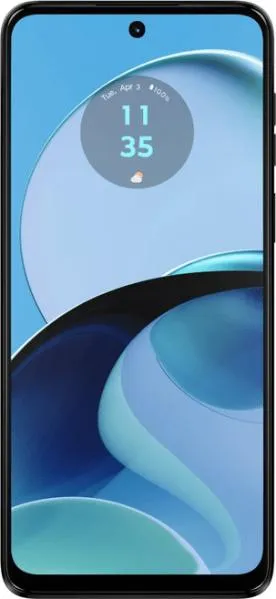
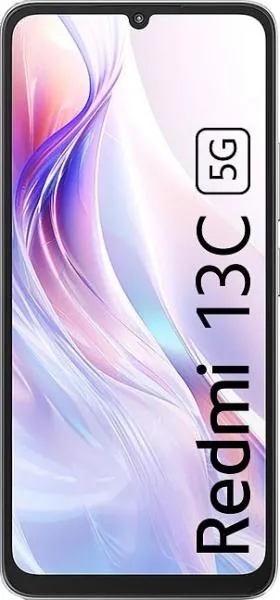
| Dimensions (mm) | 161.5 x 73.8 x 8 | 168 x 78 x 8.1 | Redmi 13C is noticeably larger and slightly thicker. Moto G14 is more compact and pocketable. |
| Weight (g) | 177 | 192 | Moto G14 is lighter, reducing hand fatigue during extended use. |
| Build Materials | Not specified | Not specified | Cannot compare build quality and durability without more information. |
| Display | |||
| Size (inches) | 6.5 | 6.74 | Redmi 13C offers a larger screen for more immersive media consumption. |
| Type | IPS LCD | IPS LCD | Both use the same display technology, expecting similar color accuracy and viewing angles. |
| Resolution | 1080 x 2400 | 720 x 1600 | Moto G14 has a significantly sharper display (405 ppi vs 260 ppi), resulting in clearer text and images. |
| Refresh Rate (Hz) | Not specified | 90 | Redmi 13C's 90Hz refresh rate provides smoother scrolling and animations. Moto G14's refresh rate is unknown and limits comparison. |
| Brightness (nits) | Not specified | 450 typical, 600 HBM | Redmi 13C's specified brightness suggests better outdoor visibility. Moto G14's brightness is unknown and cannot be compared. |
| Performance | |||
| Chipset | Unisoc Tiger T616 (12 nm) | Mediatek Dimensity 6100+ (6 nm) | Redmi 13C's 6nm chipset should offer better performance and power efficiency due to its more advanced manufacturing process. |
| CPU | Octa-core (2x2.0 GHz Cortex-A75 & 6x1.8 GHz Cortex-A55) | Octa-core (2x2.2 GHz Cortex-A76 & 6x2.0 GHz Cortex-A55) | Redmi 13C has a faster and more powerful CPU, leading to better multitasking and app loading speeds. |
| GPU | Mali-G57 MP1 | Mali-G57 MC2 | Redmi 13C's GPU likely offers better gaming performance due to having more cores. |
| RAM | 8GB | 6GB | Moto G14 offers more RAM, enabling better multitasking and smoother performance with multiple apps open. |
| Storage | 256GB | 128GB | Moto G14 offers double the storage, allowing for more apps, photos, and videos. |
| Battery | |||
| Capacity (mAh) | 5000 | 5000 | Both phones have the same battery capacity. Actual battery life will depend on software optimization and usage patterns. |
| Other | |||
| NFC | True | False | Moto G14 supports contactless payments and data transfer via NFC, while Redmi 13C does not. |
| Price Range | Low | Medium | Moto G14 is expected to be more affordable. |
2. Key Differences Analysis
Moto G14 Advantages:
- Sharper Display: Higher resolution leads to a noticeably clearer viewing experience.
- More RAM and Storage: Provides smoother multitasking and ample space for files.
- NFC: Enables contactless payments and convenient data transfer.
- Lower Price: Offers better value for budget-conscious buyers.
- More Compact and Lighter: Easier to handle and carry.
Redmi 13C 5G Advantages:
- Faster Performance: More powerful processor and GPU for smoother gaming and multitasking.
- Larger Display: More immersive for media consumption.
- Higher Refresh Rate: Smoother scrolling and animations.
- Potentially Better Battery Life: More efficient chipset could translate to longer usage time.
3. User Profiles & Recommendations
Moto G14: Ideal for budget-conscious users who prioritize a sharp display, ample storage, NFC functionality, and a compact form factor. Suitable for everyday tasks like browsing, social media, and light gaming.
Redmi 13C 5G: Best for users who value performance and a large display for gaming and media consumption. Suitable for those who prioritize speed and a more immersive experience, but can compromise on storage and NFC.
4. Decision Framework
Key Questions for Buyers:
- What is your budget? The Moto G14 is a more budget-friendly option.
- What are your primary use cases? Gaming and media consumption favor the Redmi 13C, while general use and NFC favor the Moto G14.
- Do you prioritize display sharpness or size? Moto G14 offers a sharper display, while Redmi 13C has a larger screen.
My Choice: Motorola Moto G14
While the Redmi 13C 5G offers better performance, the Moto G14 provides a more well-rounded package for my needs. I prioritize a sharp display, ample storage, and NFC functionality for daily tasks like mobile payments and data transfer. The Moto G14's compact size and lower price further solidify its appeal. While I acknowledge the Redmi 13C's strengths in gaming and media consumption, these are not my primary use cases. The Moto G14's superior resolution, larger storage, NFC, and lower price outweigh the Redmi 13C's performance advantages for my personal preferences.
