1. Specifications Comparison
| Feature | Motorola Moto G14 | Xiaomi Redmi 13C | Practical Impact |
|---|---|---|---|
| Design | |||
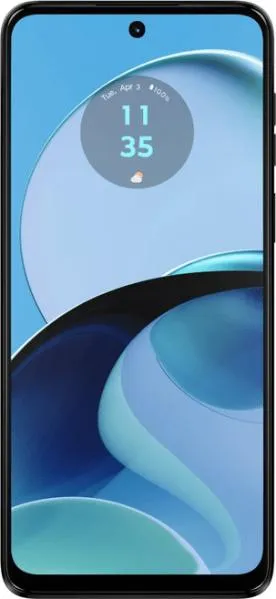
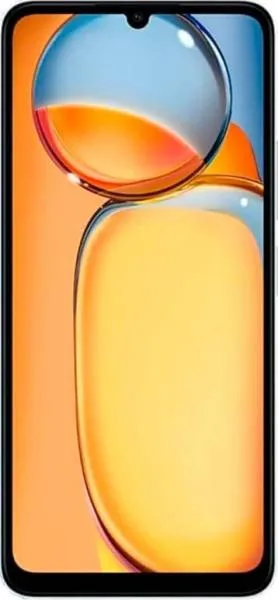
| Dimensions | 161.5 x 73.8 x 8 mm | 168 x 78 x 8.1 mm | The Moto G14 is noticeably smaller and thinner, making it more pocketable and easier to handle one-handed. |
| Weight | 177g | 192g | The Moto G14 is lighter, further enhancing one-handed use and reducing fatigue over extended periods. |
| Display | |||
| Size | 6.5" | 6.74" | The Redmi 13C offers a slightly larger screen for more immersive media consumption. |
| Type | IPS LCD | IPS LCD | Both use the same display technology, generally offering good color reproduction and viewing angles but potentially lacking the deep blacks of OLED. |
| Resolution | 1080 x 2400 (FHD+) | 720 x 1600 (HD+) | The Moto G14 has a significantly sharper display due to its higher resolution, resulting in clearer text and images. |
| Refresh Rate | Not specified | 90Hz | The Redmi 13C's 90Hz refresh rate will make scrolling and animations appear smoother and more responsive compared to the Moto G14, which likely has a standard 60Hz refresh rate. |
| Brightness (Peak) | Not specified | 600 nits (HBM) | The Redmi 13C's higher peak brightness ensures better visibility in direct sunlight. We lack data for the Moto G14 to compare directly. |
| Performance | |||
| Chipset | Unisoc Tiger T616 (12 nm) | Mediatek Helio G85 (12 nm) | Both chipsets are geared towards budget devices; performance differences will likely be minor in everyday tasks. Benchmarking would be needed for a definitive comparison. |
| CPU | Octa-core (2x2.0 GHz Cortex-A75 & 6x1.8 GHz Cortex-A55) | Octa-core (2x2.0 GHz Cortex-A75 & 6x1.8 GHz Cortex-A55) | Both phones have the same CPU configuration, indicating similar processing power. |
| GPU | Mali-G57 MP1 | Mali-G52 MC2 | The Mali-G57 MP1 in the Moto G14 is generally considered more powerful than the Mali-G52 MC2, potentially offering better gaming performance. |
| RAM/Storage | 256GB/8GB | 128GB/6GB RAM, 256GB/8GB RAM | Both offer ample storage; the Redmi offers a lower RAM configuration for potentially lower cost. 8GB RAM ensures smoother multitasking. |
| Other | |||
| Battery | 5000 mAh | 5000 mAh | Similar battery capacities suggest comparable battery life, although real-world usage can vary depending on software optimization and user habits. |
| OS | Android 13 | Android 13 | Both run on the latest Android version, offering the newest features and security updates. |
| NFC | Yes | Yes | Both phones support contactless payments and data transfer. |
| Sensors | Accelerometer, gyro, proximity, Fingerprint (side-mounted) | Accelerometer, compass, Fingerprint (side-mounted) | The Moto G14 has a gyroscope sensor, beneficial for certain gaming and AR applications, which the Redmi 13C lacks. |
2. Key Differences Analysis
Moto G14 Advantages:
- Sharper Display: The significantly higher resolution provides a noticeably better visual experience.
- More Compact Design: Smaller and lighter, enhancing one-handed usability.
- Potentially Better GPU: The Mali-G57 MP1 might offer a slight edge in gaming.
- Gyroscope Sensor: Enables features not available on the Redmi 13C, like motion-controlled gaming.
Redmi 13C Advantages:
- Larger Display: Offers a more immersive experience for media consumption.
- Higher Refresh Rate: Smoother scrolling and animations for a more fluid user experience.
- Higher Peak Brightness: Improved outdoor visibility.
- More Storage Options: Offers a lower RAM/Storage configuration for budget-conscious buyers.
Trade-offs:
- The Redmi 13C sacrifices resolution and compactness for a larger display and higher refresh rate.
- The Moto G14 might compromise on screen size and refresh rate for a sharper display and a smaller form factor.
3. User Profiles & Recommendations
Moto G14 Ideal User: Users who prioritize a compact and lightweight phone with a sharp display for everyday tasks, web browsing, and casual gaming.
Redmi 13C Ideal User: Users who prioritize a large display for media consumption and a smooth user experience, with gaming performance being a secondary concern. Budget-conscious users might also find the lower RAM/storage option appealing.
4. Decision Framework
Key Questions for Buyers:
- How important is one-handed usability and portability? If crucial, the Moto G14 is the better choice.
- Is a large screen for media consumption a priority? If yes, the Redmi 13C is preferable.
- What is your budget and desired storage capacity? The Redmi 13C offers a lower-priced option with less RAM and storage.
My Choice: Motorola Moto G14
While the 90Hz refresh rate and larger display of the Redmi 13C are tempting, the significantly sharper display and more compact form factor of the Moto G14 are more appealing to me. I prioritize one-handed usability and a crisp visual experience for everyday tasks. The potential gaming advantage due to the better GPU and the inclusion of a gyroscope sensor further solidify my choice. While specific benchmark comparisons are missing, the available specifications suggest the Moto G14 provides a well-rounded package for my needs and preferences. The slightly higher price, if any, would be justified for the superior display and more comfortable handling.
