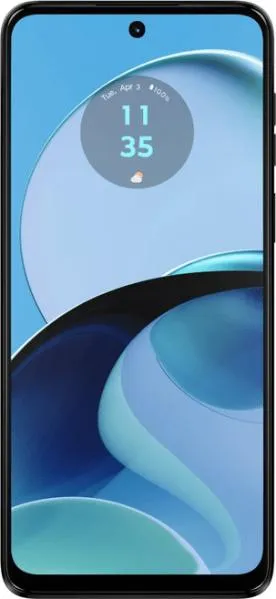
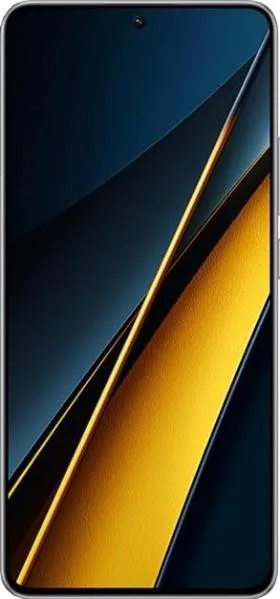
1. Specifications Comparison
| Feature | Motorola Moto G14 | Xiaomi Poco X6 Pro | Practical Impact |
|---|---|---|---|
| Design | |||
| Dimensions | 161.5 x 73.8 x 8 mm | 160.5 x 74.3 x 8.3 mm | Virtually identical in size and hand feel. |
| Weight | 177 g | 186 g | Poco X6 Pro is slightly heavier, but the difference is negligible. |
| Build Materials | Not specified | Not specified | Cannot compare build quality and durability without more information. |
| Display | |||
| Display Type | IPS LCD | AMOLED, 68B colors, HDR10+, Dolby Vision | Poco X6 Pro offers significantly better contrast, color accuracy, and dynamic range due to AMOLED technology. HDR and Dolby Vision support enhance video viewing. |
| Size | 6.5" | 6.67" | Slightly larger screen on the Poco X6 Pro offers more viewing space. |
| Resolution | 1080 x 2400 | 1220 x 2712 | Poco X6 Pro has a sharper display with higher pixel density (446 ppi vs 405 ppi). |
| Refresh Rate | Not specified | 120 Hz | Poco X6 Pro's 120Hz refresh rate delivers smoother scrolling and animations, resulting in a more fluid user experience. |
| Peak Brightness | Not specified | 1800 nits | Poco X6 Pro's significantly higher peak brightness ensures excellent outdoor visibility. |
| Performance | |||
| Chipset | Unisoc Tiger T616 (12 nm) | Mediatek Dimensity 8300 Ultra (4 nm) | Poco X6 Pro's Dimensity 8300 Ultra is significantly more powerful, enabling smoother multitasking, faster app loading, and better gaming performance. The 4nm process also suggests better power efficiency. |
| CPU | Octa-core (2x2.0 GHz Cortex-A75 & 6x1.8 GHz Cortex-A55) | Octa-core (1x3.35 GHz Cortex-A715 & 3x3.20 GHz Cortex-A715 & 4x2.20 GHz Cortex-A510) | The Poco X6 Pro has a more modern and powerful CPU architecture. |
| GPU | Mali-G57 MP1 | Mali G615-MC6 | Poco X6 Pro boasts a significantly more powerful GPU for improved gaming and graphics-intensive tasks. |
| RAM/Storage | 8GB/256GB | 12GB/256GB or 12GB/512GB | Poco X6 Pro offers more RAM and storage options, enabling smoother multitasking and ample space for files and apps. |
| Camera | |||
| Video Capabilities | 1080p@30fps | 4K@24/30fps (EIS), 1080p@30/60fps (EIS) | Poco X6 Pro supports higher resolution video recording (4K) and offers Electronic Image Stabilization (EIS) for smoother footage. Frame rate options are also superior. |
| Other Camera Specs | Not specified | Not specified | Insufficient information to compare camera quality and features. |
| Battery | |||
| Capacity | 5000 mAh | 5000 mAh | Similar battery capacity suggests comparable battery life, though actual usage will depend on other factors like the display and chipset. |
| Charging Speed | Not specified | Not specified | Cannot compare charging speeds without more information. |
2. Key Differences Analysis
Moto G14 Advantages:
- Potentially Lower Price: Belonging to the "low price" range, it likely offers better affordability.
Poco X6 Pro Advantages:
- Significantly Superior Performance: The Dimensity 8300 Ultra chipset and higher RAM provide a much smoother and faster user experience.
- Much Better Display: AMOLED technology, higher resolution, refresh rate, and brightness result in a vastly improved visual experience.
- Enhanced Video Recording: 4K recording and EIS offer superior video quality.
3. User Profiles & Recommendations
- Moto G14: Budget-conscious users who prioritize basic functionality for everyday tasks like calling, texting, and web browsing.
- Poco X6 Pro: Users who demand high performance for gaming, multimedia consumption, and multitasking, and appreciate a premium display.
4. Decision Framework
Key Questions:
- What is your budget?
- What are your primary smartphone usage patterns?
- How important is display quality and performance to you?
Scenario-Based Recommendations:
- Tight Budget, Basic Usage: Moto G14
- Moderate Budget, Balanced Usage: Consider other mid-range options, as the Poco X6 Pro might be overkill.
- Demanding User, High Performance Needs: Poco X6 Pro
My Choice: Xiaomi Poco X6 Pro
While pricing information is missing, the Poco X6 Pro offers a substantial upgrade in performance and display quality. The Dimensity 8300 Ultra, coupled with the 120Hz AMOLED display, promises a significantly better user experience for demanding tasks and multimedia consumption. Even if the price difference is considerable, the long-term benefits of a smoother, more visually appealing device would likely outweigh the initial cost for me. The Moto G14 serves a specific niche for budget-conscious buyers, but the Poco X6 Pro's advancements are too compelling to ignore. I value a fluid and responsive user experience, and the Poco X6 Pro delivers that in spades.
