1. Specifications Comparison
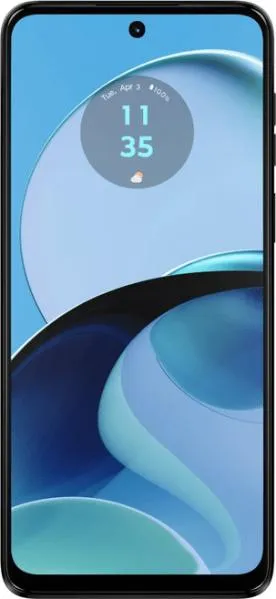
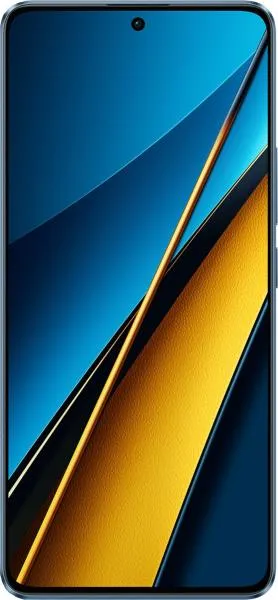
| Feature | Motorola Moto G14 | Xiaomi Poco X6 | Practical Impact |
|---|---|---|---|
| Design | |||
| Dimensions | 161.5 x 73.8 x 8 mm | 161.2 x 74.3 x 8 mm | Virtually identical in size and feel. |
| Weight | 177g | 181g | Negligible weight difference. |
| Build Materials | Not specified | Not specified | Cannot compare build quality and durability. |
| Display | |||
| Display Type | IPS LCD | AMOLED | Poco X6 offers richer colors, deeper blacks, and better power efficiency due to AMOLED technology. |
| Size | 6.5" | 6.67" | Slightly larger screen on the Poco X6 provides more immersive content consumption. |
| Resolution | 1080 x 2400 | 1220 x 2712 | Sharper and more detailed visuals on the Poco X6. |
| Refresh Rate | Not specified | 120Hz | Poco X6 will have smoother animations and scrolling, leading to a more fluid user experience. |
| Peak Brightness | Not specified | 1800 nits | Poco X6 will be significantly more visible in direct sunlight. |
| Performance | |||
| Chipset | Unisoc Tiger T616 (12 nm) | Qualcomm SM7435-AB Snapdragon 7s Gen 2 (4 nm) | The Snapdragon 7s Gen 2 in the Poco X6 offers significantly better performance, efficiency, and graphics processing. |
| CPU | Octa-core (2x2.0 GHz Cortex-A75 & 6x1.8 GHz Cortex-A55) | Octa-core (4x2.40 GHz Cortex-A78 & 4x1.95 GHz Cortex-A55) | The Poco X6 has a more powerful CPU architecture, resulting in faster app loading, smoother multitasking, and better gaming performance. |
| GPU | Mali-G57 MP1 | Adreno 710 | Adreno 710 provides superior gaming performance and graphics rendering compared to the Mali-G57 MP1. |
| RAM | 8GB | 12GB | More RAM in the Poco X6 allows for better multitasking and smoother performance with multiple apps open. |
| Storage | 256GB | 256GB/512GB | Poco X6 offers a higher storage option. |
| Camera | |||
| Video Capabilities | 1080p@30fps | 4K@30fps, 1080p@60fps | The Poco X6 can record higher resolution videos and offers smoother slow-motion capture with 1080p@60fps. No detailed camera specs to compare image quality. |
| Battery | |||
| Capacity | 5000 mAh | 5100 mAh | Negligible difference in battery capacity. Real-world battery life will depend on software optimization and usage patterns. |
2. Key Differences Analysis
Motorola Moto G14 Advantages:
- Potentially Lower Price: Belonging to the "low price" range, it likely offers a more budget-friendly option.
Xiaomi Poco X6 Advantages:
- Superior Performance: Significantly faster processor, more RAM, and a better GPU provide a smoother and more responsive user experience.
- Better Display: AMOLED technology, higher resolution, faster refresh rate, and higher brightness offer a dramatically improved visual experience.
- Enhanced Video Recording: Capability to record 4K videos.
3. User Profiles & Recommendations
Motorola Moto G14: Budget-conscious users who prioritize basic smartphone functionality: calling, texting, web browsing, and light social media usage.
Xiaomi Poco X6: Users who value performance, a high-quality display, and multimedia capabilities. Suitable for gaming, content consumption, and demanding tasks.
4. Decision Framework
Key Questions:
- What is your budget? The Moto G14 is likely much cheaper.
- What are your primary smartphone uses? For basic tasks, the Moto G14 might suffice. For demanding tasks and multimedia, the Poco X6 is superior.
- How important is display quality? The Poco X6's AMOLED display is a major advantage for media consumption.
My Choice: Xiaomi Poco X6
While the Motorola Moto G14 might be a suitable budget option, the Xiaomi Poco X6 offers a significant upgrade in almost every aspect, especially performance and display. The superior processor, AMOLED screen with 120Hz refresh rate, and enhanced video recording capabilities make it a much more compelling device for a wider range of users. Even without knowing the exact price difference, the Poco X6's advantages likely justify the higher cost for most users beyond those strictly on the tightest budget. The jump in performance and display quality alone would dramatically improve daily usage.
