1. Specifications Comparison
| Feature | Motorola Moto G14 | Xiaomi Poco M6 4G | Practical Impact |
|---|---|---|---|
| Design | |||
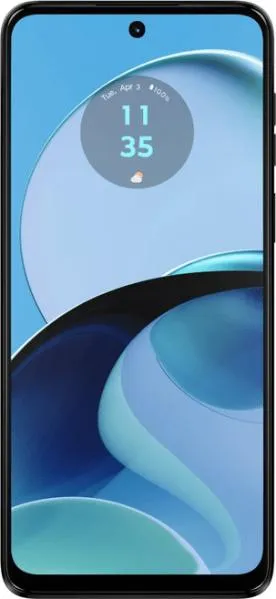
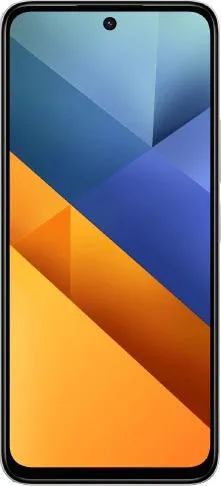
| Dimensions | 161.5 x 73.8 x 8 mm | 168.6 x 76.3 x 8.3 mm | Poco M6 is noticeably larger and slightly thicker. G14 might be more comfortable for one-handed use. |
| Weight | 177 g | 205 g | G14 is significantly lighter, reducing hand fatigue during extended use. |
| Build Materials | Not specified | Not specified | Cannot compare build quality and durability without more information. |
| Display | |||
| Size | 6.5" | 6.79" | Poco M6 offers a larger screen for more immersive media consumption. |
| Type | IPS LCD | IPS LCD | Both use the same display technology, expecting similar color accuracy and viewing angles. |
| Resolution | 1080 x 2400 | 1080 x 2460 | Virtually identical resolutions; screen sharpness will be comparable. |
| Refresh Rate | Not specified | 90Hz | Poco M6's 90Hz refresh rate will provide smoother scrolling and animations, resulting in a more fluid user experience. |
| Peak Brightness | Not specified | 550 nits (HBM) | Poco M6's specified brightness suggests better outdoor visibility. Lack of data for the G14 prevents a direct comparison. |
| Performance | |||
| Chipset | Unisoc Tiger T616 (12 nm) | Mediatek Helio G91 Ultra (12 nm) | Both are entry-level chipsets; performance differences might be subtle. Benchmark scores would be needed for accurate comparison. |
| CPU | Octa-core (2x2.0 GHz Cortex-A75 & 6x1.8 GHz Cortex-A55) | Octa-core (2x2.0 GHz Cortex-A75 & 6x1.8 GHz Cortex-A55) | Identical CPU configurations suggest similar processing power for everyday tasks. |
| GPU | Mali-G57 MP1 | Mali-G52 MC2 | Different GPUs; gaming performance might vary. Further investigation into GPU benchmarks is needed. |
| RAM | 8GB | 8GB | Both offer ample RAM for multitasking and smooth app performance. |
| Storage | 256GB | 256GB | Identical storage capacity. |
| Battery | |||
| Capacity | 5000 mAh | 5030 mAh | Negligible difference in battery capacity; real-world battery life will depend on software optimization and usage patterns. |
| Other | |||
| OS | Android 13 | Android 14 | Poco M6 ships with a newer Android version, offering potential software features and security updates. |
| Sensors | Accelerometer, gyro, proximity, Fingerprint (side-mounted) | Accelerometer, compass, Fingerprint (side-mounted) | G14 has a gyroscope sensor, useful for certain apps and games requiring motion sensing. Poco M6 has a compass. |
2. Key Differences Analysis
Motorola Moto G14 Advantages:
- Lighter and More Compact: Easier to handle and carry.
- Gyroscope Sensor: Enables motion-based gaming and AR applications.
Xiaomi Poco M6 4G Advantages:
- Larger Display: More immersive for media consumption.
- Higher Refresh Rate: Smoother and more responsive user experience.
- Newer Android Version: Access to latest features and security updates.
- Brighter Display: Potentially better visibility outdoors. (Limited data for G14)
Trade-offs:
- Poco M6's larger size and weight might be less comfortable for some users.
- G14 lacks specific brightness data, making outdoor visibility comparison difficult.
3. User Profiles & Recommendations
Motorola Moto G14: Users prioritizing one-handed usability, portability, and motion-based gaming on a budget.
Xiaomi Poco M6 4G: Users who value a large screen for media consumption, a smoother user experience with a higher refresh rate, and the latest Android features.
4. Decision Framework
Key Questions for Buyers:
- How important is one-handed usability and portability?
- Do you prioritize a large display and smooth scrolling experience?
- Is having the latest Android version a significant factor?
Scenario-Based Recommendations:
- For a frequent traveler: G14's lighter weight and smaller size might be preferable.
- For a media enthusiast: Poco M6's larger display and 90Hz refresh rate provide a better experience.
My Choice: Xiaomi Poco M6 4G
While the Motorola Moto G14 offers a more compact and lightweight design, the Xiaomi Poco M6 4G provides a superior overall user experience due to its 90Hz refresh rate, larger display, and newer Android version. The smoother scrolling and animations of the 90Hz display significantly impact daily use, making interactions feel more fluid and responsive. The larger screen enhances media consumption, and Android 14 provides access to the latest features and longer-term software support. Although the Poco M6 is slightly heavier, the benefits of the display and software outweigh the size and weight difference for me. The potential for better outdoor visibility due to the higher brightness (though unconfirmed for the G14) further solidifies the Poco M6 as my preferred choice.
