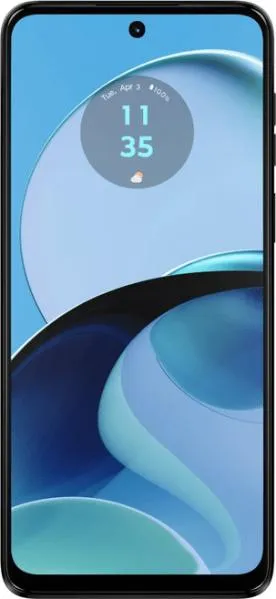
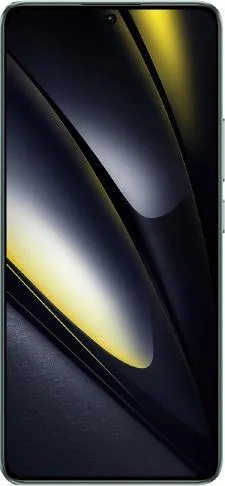
1. Specifications Comparison
| Feature | Motorola Moto G14 | Xiaomi Poco F6 | Practical Impact |
|---|---|---|---|
| Design | |||
| Dimensions | 161.5 x 73.8 x 8 mm | 160.5 x 74.5 x 8 mm | Virtually identical in size and feel. |
| Weight | 177g | 179g | Negligible weight difference. |
| Build Materials | Not specified | Not specified | Cannot compare build quality and durability. |
| Display | |||
| Display Type | IPS LCD | AMOLED, HDR10+, Dolby Vision | Poco F6 offers significantly better contrast, colors, and dynamic range due to AMOLED technology. HDR and Dolby Vision further enhance visual quality for compatible content. |
| Size | 6.5" | 6.67" | Slightly larger screen on the Poco F6 provides more immersive viewing. |
| Resolution | 1080 x 2400 | 1220 x 2712 | Higher resolution on Poco F6 results in sharper text and images. |
| Refresh Rate | Not specified | 120Hz | Poco F6's 120Hz refresh rate delivers smoother scrolling and animations, resulting in a more fluid user experience. |
| Peak Brightness | Not specified | 2400 nits | Poco F6's superior peak brightness ensures excellent visibility in direct sunlight. Lack of data for the Moto G14 prevents a direct comparison. |
| Performance | |||
| Chipset | Unisoc Tiger T616 (12 nm) | Qualcomm SM8635 Snapdragon 8s Gen 3 (4 nm) | The Snapdragon 8s Gen 3 in the Poco F6 is significantly more powerful, enabling smoother multitasking, faster app loading, and better gaming performance. |
| CPU | Octa-core (2x2.0 GHz Cortex-A75 & 6x1.8 GHz Cortex-A55) | Octa-core (1x3.0 GHz Cortex-X4 & 4x2.8 GHz Cortex-A720 & 3x2.0 GHz Cortex-A520) | The Poco F6's CPU architecture offers superior performance, especially in demanding tasks. |
| GPU | Mali-G57 MP1 | Adreno 735 | The Adreno 735 GPU in the Poco F6 provides a substantial improvement in graphics performance for gaming and visually intensive applications. |
| RAM/Storage | 8GB/256GB | 12GB/512GB | Poco F6 offers more RAM and storage for smoother multitasking and ample space for apps and files. |
| Camera | |||
| Video Capabilities | 1080p@30fps | 4K@60fps, 1080p@240fps | Poco F6 offers significantly better video recording capabilities with higher resolution and frame rate options including slow-motion recording. |
| Other Camera Specs | Not specified | Not specified | Cannot compare image quality, lens types, and other camera features. |
| Battery | |||
| Capacity | 5000 mAh | 5000 mAh | Identical battery capacity suggests similar battery life, though actual usage may vary based on other factors like display and chipset efficiency. |
2. Key Differences Analysis
Motorola Moto G14 Advantages:
- Lower Price: Positioned in the "low price" range, offering budget-conscious buyers an affordable option.
Xiaomi Poco F6 Advantages:
- Superior Performance: Significantly more powerful processor and GPU, resulting in a much smoother and faster user experience.
- Better Display: AMOLED display with HDR10+, Dolby Vision, 120Hz refresh rate, and higher brightness offers a vastly superior visual experience.
- Enhanced Video Recording: Supports 4K recording at 60fps and slow-motion at 240fps.
- More RAM and Storage: 12GB RAM and 512GB storage provide ample resources for multitasking and storing files.
3. User Profiles & Recommendations
Motorola Moto G14: Ideal for users with basic smartphone needs like calling, texting, browsing, and light social media usage. Budget-conscious buyers will find this phone appealing.
Xiaomi Poco F6: Suited for power users, gamers, and content creators who demand high performance, a premium display, and advanced camera features.
4. Decision Framework
Key Questions for Buyers:
- What is your budget? The Moto G14 is significantly cheaper.
- What are your primary smartphone usage patterns? Basic tasks vs. demanding applications and gaming.
- How important is display quality and performance? The Poco F6 significantly outperforms the Moto G14 in these areas.
Scenario-Based Recommendations:
- Limited Budget, Basic Usage: Moto G14
- Demanding Usage, Premium Experience: Poco F6
My Choice: Xiaomi Poco F6
While the Motorola Moto G14 offers an attractive price point, the Xiaomi Poco F6 provides significantly better value for the increased cost. The superior display, vastly improved performance, and advanced features like high refresh rate and enhanced video recording capabilities make it a much more compelling device for my needs. I prioritize a smooth user experience, excellent visual quality, and future-proofing my device, making the Poco F6 the clear winner. The difference in price is justified by the substantial upgrade in overall quality and capabilities.
