1. Specifications Comparison
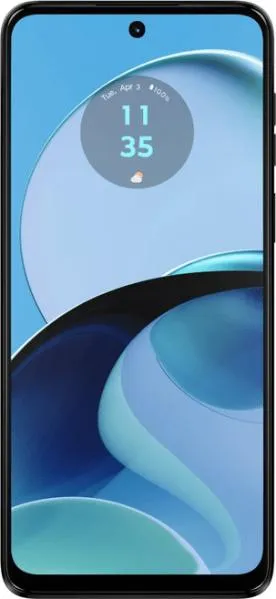
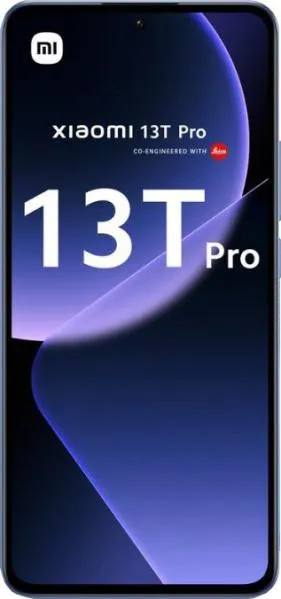
| Feature | Motorola Moto G14 | Xiaomi 13T Pro | Practical Impact |
|---|---|---|---|
| Design | |||
| Dimensions | 161.5 x 73.8 x 8 mm | 162.2 x 75.7 x 8.5 mm | Xiaomi 13T Pro is slightly larger and thicker. |
| Weight | 177g | 200g | Moto G14 is noticeably lighter, reducing hand fatigue during extended use. |
| Build | Not specified | Not specified | Build materials impact durability and premium feel; information is missing for both. |
| Display | |||
| Display Type | IPS LCD | AMOLED, 68B colors, Dolby Vision, HDR10+ | Xiaomi 13T Pro offers significantly better contrast, color accuracy, and HDR support resulting in a more vibrant and immersive viewing experience. |
| Size | 6.5" | 6.67" | Slightly larger screen on the Xiaomi provides more screen real estate. |
| Resolution | 1080 x 2400 | 1220 x 2712 | Xiaomi 13T Pro has a sharper display with higher pixel density (446 ppi vs 405 ppi). |
| Refresh Rate | Not specified | 144Hz | Xiaomi 13T Pro will provide a smoother and more responsive user experience, especially noticeable in gaming and scrolling. |
| Peak Brightness | Not specified | 2600 nits | Xiaomi 13T Pro should be much more readable in direct sunlight. |
| Performance | |||
| Chipset | Unisoc Tiger T616 (12 nm) | Mediatek Dimensity 9200+ (4 nm) | Xiaomi 13T Pro's significantly more powerful processor will result in much faster performance in demanding tasks and games. The more efficient 4nm process should also improve battery life. |
| CPU | Octa-core (2x2.0 GHz Cortex-A75 & 6x1.8 GHz Cortex-A55) | Octa-core (1x3.35 GHz Cortex-X3 & 3x3.0 GHz Cortex-A715 & 4x2.0 GHz Cortex-A510) | Xiaomi's CPU architecture is more modern and powerful. |
| GPU | Mali-G57 MP1 | Immortalis-G715 MC11 | Xiaomi 13T Pro boasts a substantially more capable GPU, enabling higher graphics settings and smoother gameplay. |
| RAM/Storage | 256GB/8GB | 512GB/12GB RAM, 1000GB/16GB RAM | Xiaomi offers more RAM and storage options for better multitasking and larger file storage. |
| Camera | |||
| Video Capabilities | 1080p@30fps | 8K@24fps, 4K@60fps, 1080p@240fps | Xiaomi 13T Pro offers significantly higher resolution and frame rate video recording capabilities. Specific sensor details are missing for comprehensive comparison. |
| Battery | |||
| Capacity | 5000 mAh | 5000 mAh | Similar battery capacity, but real-world battery life will depend on the display, processor efficiency, and software optimization. |
2. Key Differences Analysis
Motorola Moto G14 Advantages:
- Lighter Weight: More comfortable for extended use.
- Lower Price: Budget-friendly option.
Xiaomi 13T Pro Advantages:
- Superior Display: Brighter, sharper, smoother, and more vibrant AMOLED display with HDR support.
- Significantly Faster Performance: Much more powerful chipset, CPU, and GPU for demanding tasks and gaming.
- More RAM and Storage: Enhanced multitasking and file storage capabilities.
- Advanced Video Recording: Higher resolution and frame rates for professional-quality video.
Trade-offs:
- Price: The Xiaomi 13T Pro comes at a significantly higher price.
- Weight: The Xiaomi 13T Pro is heavier, potentially less comfortable for extended use.
3. User Profiles & Recommendations
Motorola Moto G14: Budget-conscious users who prioritize basic functionality: calling, texting, web browsing, social media, and light gaming.
Xiaomi 13T Pro: Power users, gamers, content creators, and those who demand a premium display and top-tier performance.
4. Decision Framework
Key Questions:
- What is your budget?
- What are your primary smartphone usage patterns?
- How important is display quality and performance?
Scenario-Based Recommendations:
- Tight Budget, Basic Usage: Moto G14
- Demanding Tasks, Gaming, Premium Experience: Xiaomi 13T Pro
- Balanced Needs, Moderate Budget: Explore other options in the mid-range segment.
My Choice: Xiaomi 13T Pro
While the Moto G14 offers a budget-friendly option, the Xiaomi 13T Pro is the clear winner for me. The significantly superior display, powerful performance, ample RAM and storage, and advanced video capabilities outweigh the higher price and added weight. I value a smooth and responsive user experience, vibrant visuals, and the ability to handle demanding tasks without lag. The 144Hz refresh rate and the bright AMOLED display are major selling points, ensuring a fluid and enjoyable user experience. While I acknowledge the higher price point, the long-term benefits of a future-proof device with superior performance and features make the Xiaomi 13T Pro a worthwhile investment. The improved performance would drastically improve my day-to-day usage, allowing for seamless multitasking and smooth operation of demanding applications.
