1. Specifications Comparison
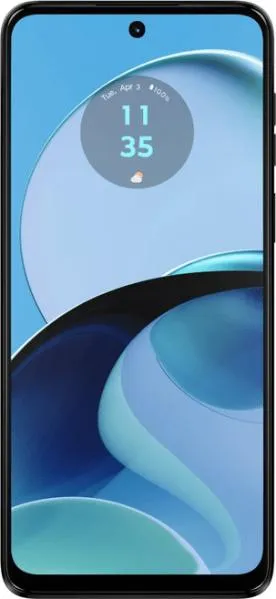
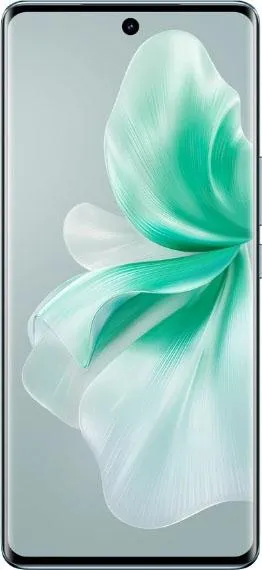
| Feature | Motorola Moto G14 | vivo V30 | Practical Impact |
|---|---|---|---|
| Design | |||
| Dimensions | 161.5 x 73.8 x 8 mm | 164.4 x 75.1 x 7.5 mm | The vivo V30 is slightly larger and thinner. |
| Weight | 177 g | 186 g | The vivo V30 is slightly heavier. |
| Fingerprint Sensor | Side-mounted | Under display | Preference varies, but under-display is often perceived as more modern. |
| Display | |||
| Size | 6.5" | 6.78" | The vivo V30 has a noticeably larger screen. |
| Type | IPS LCD | AMOLED, 1B colors, HDR10+ | The vivo V30's AMOLED offers significantly better contrast, deeper blacks, and more vibrant colors. HDR10+ support provides a wider range of colors and brightness in compatible content. |
| Resolution | 1080 x 2400 | 1260 x 2800 | The vivo V30 has a sharper display due to higher resolution and pixel density. |
| Refresh Rate | Not specified | 120Hz | The 120Hz refresh rate on the vivo V30 results in much smoother scrolling and animations, leading to a more fluid user experience. |
| Peak Brightness | Not specified | 2800 nits | The vivo V30's significantly higher peak brightness ensures excellent outdoor visibility, even in direct sunlight. The lack of this spec for the Moto G14 limits our comparison. |
| Performance | |||
| Chipset | Unisoc Tiger T616 (12 nm) | Qualcomm Snapdragon 7 Gen 3 (4 nm) | The Snapdragon 7 Gen 3 is significantly more powerful and efficient due to its more advanced architecture and smaller manufacturing process. This translates to better performance in demanding tasks and games, along with improved battery life. |
| CPU | Octa-core (2x2.0 GHz Cortex-A75 & 6x1.8 GHz Cortex-A55) | Octa-core (1x2.63 GHz Cortex-A715 & 3x2.4 GHz Cortex-A715 & 4x1.8 GHz Cortex-A510) | The vivo V30's CPU offers superior performance due to faster clock speeds and newer core architecture. |
| GPU | Mali-G57 MP1 | Adreno 720 | The Adreno 720 GPU provides significantly better graphics performance, leading to smoother gameplay and faster rendering in graphically demanding applications. |
| RAM | 8GB | 8GB | Both phones have the same amount of RAM. |
| Storage | 256GB | 256GB | Both phones have the same amount of storage. |
| Battery | |||
| Capacity | 5000 mAh | 5000 mAh | Both phones have the same battery capacity. However, real-world battery life will depend on factors like display type, processor efficiency, and usage patterns. |
| Camera | |||
| Video Capabilities | 1080p@30fps | 4K@30fps (EIS), 1080p@30fps (EIS) | The vivo V30 offers significantly better video recording capabilities with 4K resolution and Electronic Image Stabilization (EIS) for smoother footage. No camera details beyond video were provided, limiting further analysis. |
| Software | |||
| OS | Android 13 | Android 14 | The vivo V30 comes with a newer version of Android, offering potential access to new features and performance improvements. |
| OS Max Version | Not specified | Android 16 | The vivo V30 has confirmed future OS updates, ensuring longer software support and security updates. This is crucial for longevity. The lack of information for the Moto G14 is a disadvantage. |
2. Key Differences Analysis
Moto G14 Advantages:
- Lower Price: The Moto G14 is positioned in the "low price" range, making it more budget-friendly.
vivo V30 Advantages:
- Superior Display: Significantly better display quality (AMOLED, higher resolution, 120Hz refresh rate, HDR10+, higher brightness).
- Significantly Better Performance: More powerful processor and GPU for smoother multitasking, gaming, and demanding applications.
- Enhanced Camera Capabilities: 4K video recording and Electronic Image Stabilization.
- Newer Software with Longer Support: Android 14 with confirmed updates to Android 16.
Trade-offs:
- The vivo V30 comes at a higher price due to its superior features.
- The Moto G14 might offer slightly longer battery life due to its less demanding display and processor, though this is not confirmed due to missing brightness information for the G14.
3. User Profiles & Recommendations
Moto G14: Budget-conscious users who prioritize basic functionality (calling, texting, web browsing, social media) and long battery life. Suitable for light users who don't play demanding games or require the best display quality.
vivo V30: Users who value a premium experience with a vibrant display, smooth performance, excellent camera capabilities, and longer software support. Suitable for gamers, content creators, and users who consume a lot of media.
4. Decision Framework
Key Questions for Buyers:
- What is your budget? The Moto G14 is a budget option, while the vivo V30 is a mid-range device.
- What are your primary use cases? (e.g., gaming, photography, social media, basic communication)
- How important is display quality, performance, and software updates to you?
Scenario-Based Recommendations:
- Limited Budget, Basic Use: Moto G14
- Balanced Needs, Value for Money: vivo V30 (depending on specific pricing)
- Premium Experience, Future-Proofing: vivo V30
My Choice: vivo V30
While I acknowledge the Moto G14's budget-friendly appeal, the vivo V30 offers significantly more value for the likely price difference. The superior display, performance, camera, and software support are substantial upgrades that enhance the overall user experience. The 120Hz AMOLED display alone makes a huge difference in daily use. While the specific price difference is unknown, the V30's advancements justify the jump to the mid-range category for most users beyond those with the strictest budget constraints. The confirmed Android 16 update ensures longer-term usability, making the vivo V30 a more future-proof investment. The lack of brightness information for the Moto G14 prevents a full battery life estimation, but even if marginally shorter, the V30's advantages vastly outweigh this potential drawback.
