1. Specifications Comparison
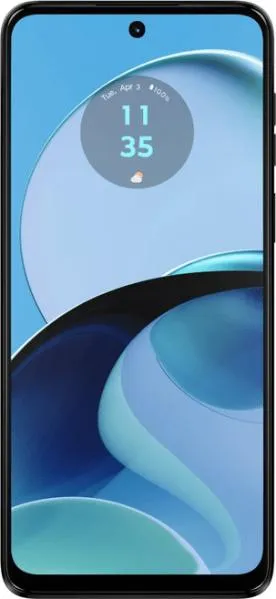
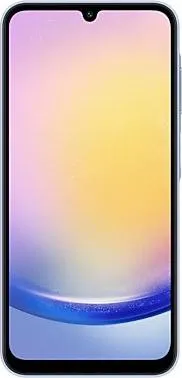
| Feature | Motorola Moto G14 | Samsung Galaxy A25 | Practical Impact |
|---|---|---|---|
| Design | |||
| Dimensions | 161.5 x 73.8 x 8mm | 161 x 76.5 x 8.3mm | A25 is slightly wider and thicker. Negligible difference in daily use. |
| Weight | 177g | 197g | Moto G14 is noticeably lighter, improving one-handed use and comfort. |
| Display | |||
| Type | IPS LCD | Super AMOLED | A25 offers richer colors, deeper blacks, and better power efficiency. Moto G14's LCD is adequate but less vibrant. |
| Size | 6.5" | 6.5" | Identical screen sizes. |
| Resolution | 1080 x 2400 | 1080 x 2340 | Virtually identical pixel density; sharpness will be indistinguishable. |
| Refresh Rate | null | 120Hz | Significant Advantage for A25: Smoother scrolling, animations, and gaming experience. G14 likely has a standard 60Hz refresh rate, feeling less fluid. |
| Brightness | null | 1000 nits (HBM) | A25's high brightness ensures better visibility in sunlight. Lack of data for G14 prevents direct comparison, but 1000 nits is considered very bright. |
| Performance | |||
| Chipset | Unisoc T616 (12nm) | Exynos 1280 (5nm) | Advantage A25: 5nm process offers significantly better performance and power efficiency. Expect smoother multitasking and gaming on the A25. |
| CPU | Octa-core (2x2.0 GHz Cortex-A75 & 6x1.8 GHz Cortex-A55) | Octa-core (2x2.4 GHz Cortex-A78 & 6x2.0 GHz Cortex-A55) | Advantage A25: Faster CPU cores will result in noticeably improved performance. |
| GPU | Mali-G57 MP1 | Mali-G68 | Advantage A25: More powerful GPU will handle demanding games better. |
| RAM | 8GB | 8GB | Identical RAM capacity. |
| Storage | 256GB | 256GB | Identical storage capacity. |
| OS | Android 13 | Android 14 | A25 ships with a newer Android version and is promised longer updates (until Android 18). |
| Camera | |||
| Video | 1080p@30fps | 4K@30fps, 1080p@30fps | Advantage A25: Can record in higher resolution (4K). Both have Electronic Image Stabilization (EIS) for smoother video. |
| Battery | |||
| Capacity | 5000 mAh | 5000 mAh | Identical battery capacity. A25's more efficient processor may result in longer real-world battery life. |
2. Key Differences Analysis
Moto G14 Advantages:
- Lighter: Noticeably lighter, making it more comfortable for extended use.
- Lower Price: Belongs to a lower price range, offering potentially better value for budget-conscious buyers.
Samsung Galaxy A25 Advantages:
- Superior Display: AMOLED with 120Hz offers a significantly better visual experience.
- Significantly Better Performance: 5nm chipset, faster CPU and GPU provide a smoother and more responsive experience.
- Better Camera: Capable of recording 4K video.
- Newer Software: Ships with Android 14 and guaranteed updates to Android 18.
Trade-offs:
- Price: The A25's superior features come at a higher price.
- Weight: The A25 is heavier, potentially less comfortable for one-handed use.
3. User Profiles & Recommendations
Moto G14: Budget-conscious users who prioritize basic functionality, call quality, and long battery life. Ideal for light users who primarily use their phone for calling, texting, browsing, and social media.
Samsung Galaxy A25: Users who value a premium display, smooth performance, and future-proof software. Ideal for gamers, multimedia consumers, and those who demand a responsive and visually appealing experience.
4. Decision Framework
Key Questions:
- What is your budget? The Moto G14 is significantly cheaper.
- What are your primary phone usage patterns? Light usage favors the G14, while demanding tasks favor the A25.
- How important is display quality and performance? The A25 excels in these areas.
Scenario-Based Recommendations:
- Tight Budget: Moto G14
- Balanced Needs: Samsung Galaxy A25 (if affordable)
- Performance & Display Focused: Samsung Galaxy A25
My Choice: Samsung Galaxy A25
While the Moto G14 offers excellent value for its price, the Samsung Galaxy A25's superior display, performance, and longer software support make it a more compelling choice for me. The 120Hz AMOLED screen, coupled with the more powerful Exynos 1280 processor, will provide a significantly better user experience in day-to-day tasks and multimedia consumption. The longer software update commitment also ensures the phone remains secure and up-to-date for a longer period. While the price difference is a factor, the tangible benefits offered by the A25 justify the extra cost for a user like myself who values performance and a premium user experience. The slightly heavier weight is a minor trade-off for the significant gains in other areas.
