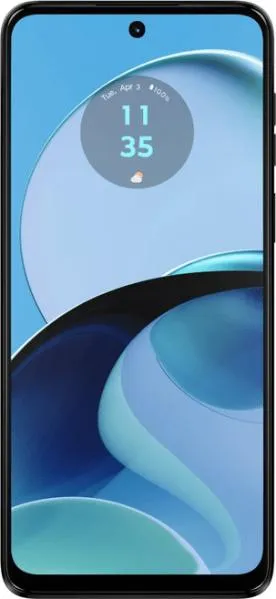
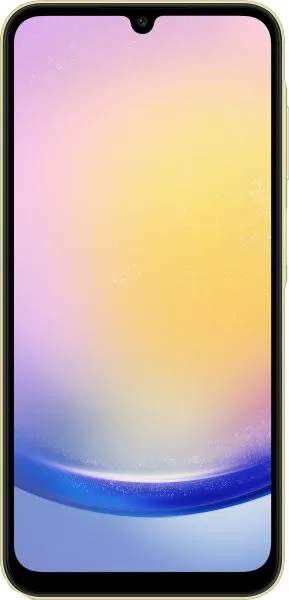
1. Specifications Comparison
| Feature | Motorola Moto G14 | Samsung Galaxy A15 5G | Practical Impact |
|---|---|---|---|
| Design | |||
| Dimensions | 161.5 x 73.8 x 8 mm | 160.1 x 76.8 x 8.4 mm | A15 slightly wider and thicker. Negligible difference in hand feel. |
| Weight | 177g | 200g | G14 noticeably lighter, reducing hand fatigue during extended use. |
| Build | Not specified | Not specified | Build quality unknown for both. Can't compare durability or premium feel. |
| Display | |||
| Size | 6.5" | 6.5" | Identical screen sizes. |
| Type | IPS LCD | Super AMOLED | A15 offers more vibrant colors, deeper blacks, and better power efficiency. G14 likely has better outdoor visibility. |
| Resolution | 1080 x 2400 | 1080 x 2340 | Virtually identical resolutions; sharpness difference is imperceptible. |
| Refresh Rate | Not specified | 90Hz | A15 offers smoother scrolling and animations thanks to the higher refresh rate. G14's refresh rate is unknown but likely 60Hz, resulting in a less fluid experience. |
| Peak Brightness | Not specified | 800 nits (HBM) | A15's higher peak brightness ensures better visibility in direct sunlight. G14's unknown brightness limits comparison. |
| Performance | |||
| Chipset | Unisoc Tiger T616 (12 nm) | Mediatek Dimensity 6100+ (6 nm) | A15's 6nm chipset should offer significantly better performance and power efficiency compared to G14's 12nm chipset. |
| CPU | Octa-core (2x2.0 GHz Cortex-A75 & 6x1.8 GHz Cortex-A55) | Octa-core (2x2.2 GHz Cortex-A76 & 6x2.0 GHz Cortex-A55) | A15 has a more powerful CPU architecture and higher clock speeds, resulting in faster app loading, smoother multitasking, and better gaming performance. |
| GPU | Mali-G57 MP1 | Mali-G57 MC2 | A15's GPU likely offers improved graphics performance for gaming and demanding applications. The extent of the difference is unclear without specific benchmark comparisons. |
| RAM/Storage | 256GB/8GB | 128GB/6GB, 128GB/8GB, 256GB/8GB | Both offer ample RAM. A15 offers more storage configuration flexibility. |
| Battery | |||
| Capacity | 5000 mAh | 5000 mAh | Identical battery capacities. Real-world battery life will depend on software optimization and display type. A15's AMOLED display and more efficient chipset could result in longer battery life. |
| Software | |||
| OS | Android 13 | Android 14 | A15 ships with a newer Android version and is guaranteed longer updates (up to Android 17). |
2. Key Differences Analysis
Motorola Moto G14 Advantages:
- Lighter weight: Noticeably lighter, improving comfort during prolonged use.
- Potentially Lower Price: Belonging to a "low price" range suggests it will be more affordable.
Samsung Galaxy A15 5G Advantages:
- Superior Display: AMOLED technology provides richer colors, deeper blacks, and better power efficiency. 90Hz refresh rate ensures a smoother user experience.
- Significantly Better Performance: More advanced and efficient chipset, resulting in faster processing, smoother multitasking, and improved gaming.
- Newer Software and Longer Updates: Ships with Android 14 and guaranteed updates to Android 17, ensuring longer software support and security updates.
Trade-offs:
- Price vs. Features: G14 likely more affordable but compromises on performance and display quality. A15 offers superior features but at a higher price point.
3. User Profiles & Recommendations
Motorola Moto G14: Budget-conscious users prioritizing basic functionality: calling, texting, web browsing, social media. Suitable for light users who don't demand high performance or advanced features.
Samsung Galaxy A15 5G: Users who value a smooth and responsive experience, vibrant display, and longer software support. Suitable for moderate to heavy users who engage in gaming, multitasking, and media consumption.
4. Decision Framework
Key Questions for Buyers:
- What is your budget? G14 for tight budgets, A15 for more flexibility.
- What are your primary smartphone uses? G14 for basic communication, A15 for demanding tasks and entertainment.
- How important are display quality and performance? G14 compromises on these, A15 excels.
My Choice: Samsung Galaxy A15 5G
While the Motorola Moto G14 might be more budget-friendly, the Samsung Galaxy A15 5G offers a significantly better overall package. The superior AMOLED display with a 90Hz refresh rate, the much more powerful and efficient processor, and the longer software support make it a more future-proof and enjoyable device to use in the long run. The slightly higher weight is a minor trade-off for the substantial performance and feature gains. Even without knowing the exact price difference, the A15's advantages in crucial areas like performance, display, and software updates would likely make it worth the extra cost for most users. The longevity provided by extended software updates alone is a compelling reason to opt for the A15.
