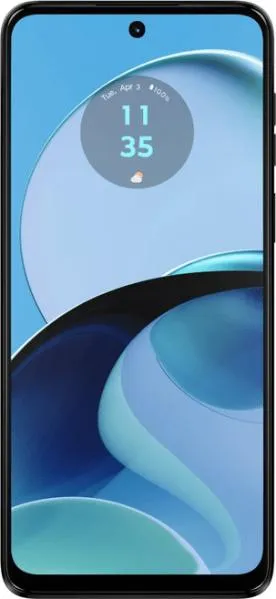

1. Specifications Comparison
| Feature | Motorola Moto G14 | Oppo Reno11 | Practical Impact |
|---|---|---|---|
| Design | |||
| Dimensions | 161.5 x 73.8 x 8 mm | 162.4 x 74.3 x 7.9 mm | Virtually identical in size; negligible difference in hand feel. |
| Weight | 177g | 182g | The Moto G14 is slightly lighter, potentially more comfortable for extended use. |
| Build Materials | Not specified | Not specified | Cannot compare build quality and durability without more information. |
| Display | |||
| Display Type | IPS LCD | AMOLED, 1B colors, HDR10+ | The Reno11's AMOLED display offers significantly better contrast, deeper blacks, and more vibrant colors. HDR10+ support further enhances visual quality for compatible content. |
| Size | 6.5" | 6.7" | Slightly larger screen on the Reno11 provides more immersive viewing experience. |
| Resolution | 1080 x 2400 | 1080 x 2412 | Nearly identical resolutions; no discernible difference in sharpness. |
| Refresh Rate | Not specified | 120Hz | The Reno11's 120Hz refresh rate delivers significantly smoother scrolling and animations, resulting in a more fluid and responsive user experience. |
| Peak Brightness | Not specified | 950 nits | The Reno11's higher peak brightness ensures better visibility in direct sunlight. Lack of data for the Moto G14 prevents direct comparison. |
| Performance | |||
| Chipset | Unisoc Tiger T616 (12 nm) | Mediatek Dimensity 7050 (6 nm) | The Dimensity 7050, built on a smaller process node, should offer better performance and power efficiency compared to the Tiger T616. |
| CPU | Octa-core (2x2.0 GHz Cortex-A75 & 6x1.8 GHz Cortex-A55) | Octa-core (2x2.6 GHz Cortex-A78 & 6x2.0 GHz Cortex-A55) | The Reno11 boasts faster and more powerful CPU cores, translating to smoother multitasking and faster app loading times. |
| GPU | Mali-G57 MP1 | Mali-G68 MC4 | The Reno11's GPU is more powerful, enabling smoother gaming and better graphics performance. |
| RAM | 8GB | 12GB | More RAM on the Reno11 allows for more apps to run in the background without impacting performance. |
| Storage | 256GB | 256GB | Both offer the same storage capacity. |
| Camera | |||
| Video Capabilities | 1080p@30fps | 4K@30fps, up to 960fps slow-motion | The Reno11 offers significantly better video recording capabilities, including 4K resolution and high frame rate slow-motion. Details about camera sensors and image quality are missing for both phones. |
| Battery | |||
| Capacity | 5000 mAh | 5000 mAh | Identical battery capacities suggest similar battery life, but real-world usage may vary depending on other factors like display and processor efficiency. |
2. Key Differences Analysis
Motorola Moto G14 Advantages:
- Potentially Lower Price: Being in the "low price" range, it likely offers better affordability.
- Slightly Lighter: Might be more comfortable for extended use.
Oppo Reno11 Advantages:
- Superior Display: AMOLED with 120Hz refresh rate and HDR10+ provides a significantly better visual experience.
- Significantly Better Performance: More powerful chipset, CPU, and GPU deliver smoother multitasking, faster app loading, and enhanced gaming capabilities.
- More RAM: Enables smoother multitasking and prevents performance slowdowns.
- Superior Video Recording: 4K recording and high frame rate slow-motion offer much better video quality and creative options.
3. User Profiles & Recommendations
Moto G14: Budget-conscious users who prioritize basic functionality and affordability. Suitable for calling, texting, web browsing, and light media consumption.
Oppo Reno11: Users who value a premium multimedia experience, smooth performance, and advanced features like high refresh rate display and 4K video recording. Suitable for demanding tasks like gaming, video editing, and content creation.
4. Decision Framework
Key Questions for Buyers:
- What is your budget? The Moto G14 is a budget option, while the Reno11 is a mid-range device.
- What are your primary smartphone usage patterns? Basic tasks vs. demanding applications and multimedia consumption.
- How important is display quality and performance? The Reno11 offers a significant upgrade in these areas.
My Choice: Oppo Reno11
While the Moto G14 might be a good budget option, the Oppo Reno11 offers a significantly better overall experience due to its superior display, performance, and camera capabilities. The 120Hz AMOLED screen, powerful processor, and 4K video recording are compelling features that justify the higher price for me. The smoother user experience, better multitasking capabilities, and enhanced visual quality are worth the investment. While I acknowledge the Moto G14's potential price advantage, the Reno11's superior features would provide a more enjoyable and future-proof smartphone experience.
