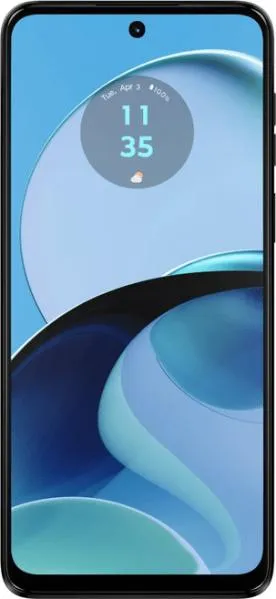
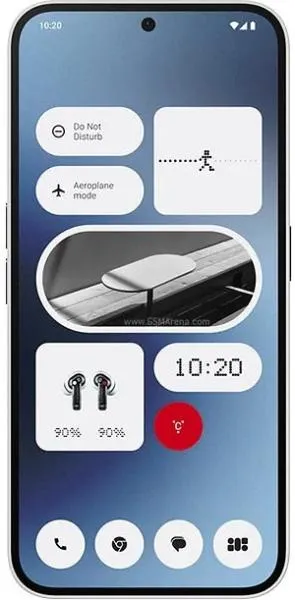
1. Specifications Comparison
| Feature | Motorola Moto G14 | Nothing Phone (2a) | Practical Impact |
|---|---|---|---|
| Design | |||
| Dimensions | 161.5 x 73.8 x 8 mm | 161.7 x 76.3 x 8.6 mm | The Nothing Phone (2a) is slightly larger and thicker. |
| Weight | 177g | 190g | The Moto G14 is noticeably lighter, making it more comfortable for extended use. |
| Build Materials | Not specified | Not specified | Cannot compare build quality without more information. |
| Display | |||
| Display Type | IPS LCD | AMOLED | AMOLED offers richer colors, deeper blacks, and better power efficiency in dark mode. |
| Size | 6.5" | 6.7" | The Nothing Phone (2a) offers a slightly larger screen for media consumption. |
| Resolution | 1080 x 2400 | 1080 x 2412 | Virtually identical resolution; no noticeable real-world difference. |
| Refresh Rate | Not specified | 120Hz | 120Hz provides a smoother, more responsive user experience compared to a standard 60Hz likely on the Moto G14. |
| Peak Brightness | Not specified | 1300 nits | The Nothing Phone (2a) will be significantly more visible in direct sunlight. |
| Performance | |||
| Chipset | Unisoc Tiger T616 (12 nm) | Mediatek Dimensity 7200 Pro (4 nm) | The Dimensity 7200 Pro offers significantly better performance and efficiency due to its more advanced manufacturing process (4nm vs 12nm). |
| CPU | Octa-core (2x2.0 GHz Cortex-A75 & 6x1.8 GHz Cortex-A55) | Octa-core (2x2.8 GHz Cortex-A715 & 6x 2.0 Cortex-A510) | The Nothing Phone (2a)'s CPU has faster clock speeds and a more modern architecture, resulting in significantly improved performance for demanding tasks and multitasking. |
| GPU | Mali-G57 MP1 | Mali-G610 MC4 | The Mali-G610 MC4 offers better gaming performance and graphics rendering. |
| RAM | 8GB | 12GB | More RAM allows for smoother multitasking and less frequent app reloading. |
| Storage | 256GB | 256GB | Both phones offer the same storage capacity. |
| Camera | |||
| Video Capabilities | 1080p@30fps | 4K@30fps, 1080p@120fps | The Nothing Phone (2a) supports higher resolution video recording (4K) and slow-motion video (120fps), offering more versatile video recording options. |
| Other Camera Specs | Not provided for either phone | Not provided for either phone | Insufficient information to compare camera quality. |
| Battery | |||
| Capacity | 5000 mAh | 5000 mAh | Both phones have the same battery capacity. However, real-world battery life will depend on software optimization and display efficiency. |
2. Key Differences Analysis
Motorola Moto G14 Advantages:
- Lighter Weight: Noticeably more comfortable for extended use.
- Lower Price: Positioned in the "low price" range, offering better affordability.
Nothing Phone (2a) Advantages:
- Superior Performance: Significantly faster and more efficient processor, better for demanding tasks and gaming.
- Smoother Display: 120Hz refresh rate offers a more fluid and responsive user experience.
- Brighter Display: Much better visibility in direct sunlight.
- More RAM: Enables better multitasking.
- Superior Video Recording: 4K resolution and slow-motion capabilities.
3. User Profiles & Recommendations
Motorola Moto G14: Budget-conscious users who prioritize basic functionality (calling, texting, web browsing, social media) and a lightweight design.
Nothing Phone (2a): Users who value performance, a smooth and vibrant display, strong multitasking capabilities, and advanced camera features. Gamers, content creators, and power users would appreciate this phone more.
4. Decision Framework
Key Questions for Buyers:
- What is your budget? The Moto G14 is significantly more affordable.
- What are your primary use cases? Basic tasks vs. demanding apps and gaming.
- Do you prioritize display quality and performance? The Nothing Phone (2a) excels in these areas.
My Choice: Nothing Phone (2a)
While the Moto G14 offers excellent value for its price, the Nothing Phone (2a)'s superior performance, display, and future-proofing with Android OS updates make it the better choice for me. I value a smooth and responsive user experience, and the 120Hz AMOLED display combined with the powerful Dimensity 7200 Pro chipset would deliver that. The ability to record 4K video is also a significant advantage. While the price difference is notable, the long-term benefits of the Nothing Phone (2a) outweigh the initial cost for my usage patterns. The commitment to future Android updates also ensures the device will remain relevant and secure for longer.
