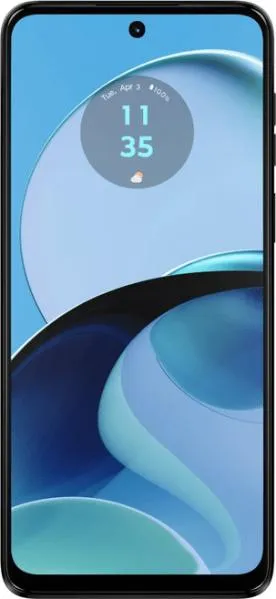
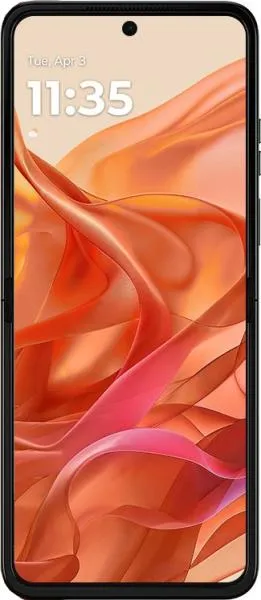
1. Specifications Comparison
| Feature | Motorola Moto G14 | Motorola Razr 50 | Practical Impact |
|---|---|---|---|
| Design | |||
| Dimensions | 161.5 x 73.8 x 8 mm | 171.3 x 74 x 7.3 mm (Unfolded) | Razr 50 is taller and slightly wider when unfolded, but significantly thinner and more pocketable when folded. G14 is a traditional slab phone. |
| Weight | 177g | 188.4g | Razr 50 is slightly heavier but the weight distribution when folded might feel more balanced in a pocket. |
| Foldable | No | Yes | Razr 50's foldable design offers a larger screen in a smaller form factor, enhancing portability and novelty. G14 is more traditional. |
| Display | |||
| Display Type | IPS LCD | Foldable LTPO AMOLED | Razr 50 boasts superior contrast, vibrant colors, and power efficiency due to AMOLED and LTPO technology. G14's LCD is less impressive. |
| Size | 6.5" | 6.9" | Razr 50 offers a larger viewing area. |
| Resolution | 1080 x 2400 | 1080 x 2640 | Similar pixel density, but Razr 50's slightly taller aspect ratio provides more vertical screen real estate. |
| Refresh Rate | Not specified | 120Hz | Razr 50 will offer a significantly smoother and more responsive user experience thanks to its high refresh rate. Information on G14's refresh rate is missing. |
| Peak Brightness | Not specified | 3000 nits | Razr 50 will be exceptionally readable in direct sunlight. G14's brightness is unknown, hindering a complete comparison. |
| Performance | |||
| Chipset | Unisoc Tiger T616 (12 nm) | Mediatek Dimensity 7300X (4 nm) | Razr 50's 4nm chipset will provide significantly better performance, efficiency, and thermal management compared to the G14's 12nm processor. |
| CPU | Octa-core (2x2.0 GHz Cortex-A75 & 6x1.8 GHz Cortex-A55) | Octa-core (4x2.5 GHz Cortex-A78 & 4x2.0 GHz Cortex-A55) | Razr 50 has faster and more powerful CPU cores, translating to noticeably quicker app loading, multitasking, and overall responsiveness. |
| GPU | Mali-G57 MP1 | Mali-G615 MC2 | Razr 50 offers a more powerful GPU, resulting in better gaming performance and smoother graphics rendering. |
| RAM | 8GB | 12GB | Razr 50's larger RAM allows for more apps to run in the background without impacting performance. |
| Storage | 256GB | 512GB | Razr 50 provides double the storage capacity. |
| Battery | |||
| Capacity | 5000 mAh | 4200 mAh | G14 has a larger battery capacity, potentially offering longer battery life. However, Razr 50's more efficient processor and LTPO display could offset this difference. Real-world usage will vary. |
| Camera | |||
| Video Capabilities | 1080p@30fps | 4K@30fps, 1080p@60fps | Razr 50 offers significantly better video recording capabilities with higher resolution and frame rate options. Detailed camera specifications are missing for a more thorough comparison. |
2. Key Differences Analysis
Motorola Moto G14 Advantages:
- Potentially longer battery life: Larger 5000mAh battery.
- Lower price: Positioned in the "low price" range.
Motorola Razr 50 Advantages:
- Significantly more powerful: Superior processor, GPU, and more RAM.
- Foldable design: Enhanced portability and unique form factor.
- Superior display: AMOLED technology with higher refresh rate and brightness.
- Better video recording capabilities: 4K resolution and higher frame rates.
- More storage: Double the storage of the G14.
Trade-offs:
- Razr 50: Higher price, smaller battery capacity (potentially shorter battery life), more complex and potentially fragile foldable design.
- G14: Lower performance, less impressive display, limited video recording capabilities.
3. User Profiles & Recommendations
Motorola Moto G14: Budget-conscious users who prioritize basic functionality, long battery life, and reliability. Ideal for:
- Casual users primarily focused on calling, texting, and web browsing.
- Users seeking an affordable secondary device.
- Users in areas with limited charging access.
Motorola Razr 50: Users who value cutting-edge technology, portability, a premium display, and strong performance. Ideal for:
- Users who prioritize a compact, pocketable device with a large screen.
- Multitaskers and power users who demand smooth performance.
- Content creators who need high-quality video recording.
- Users who appreciate innovative design and are willing to pay a premium.
4. Decision Framework
Key Questions for Buyers:
- What is your budget? The G14 is a budget-friendly option, while the Razr 50 is a premium device.
- What level of performance do you need? Casual users might find the G14 sufficient, while demanding users will appreciate the Razr 50's power.
- How important is portability and form factor? The Razr 50's foldable design offers unique portability advantages.
My Choice: Motorola Razr 50
While the Moto G14 offers excellent value for its price, the Motorola Razr 50 is the clear winner for me. The significantly improved performance, stunning display, and innovative foldable design are compelling. I prioritize a smooth user experience, a bright and vibrant screen for media consumption, and the portability advantage offered by the folding form factor. The higher price is justified by the significant upgrade in features and overall experience. While battery life is a concern, the more efficient processor and display technology in the Razr 50 might mitigate the smaller battery capacity. I am willing to accept a potentially slightly shorter battery life for the substantial gains in other areas.
