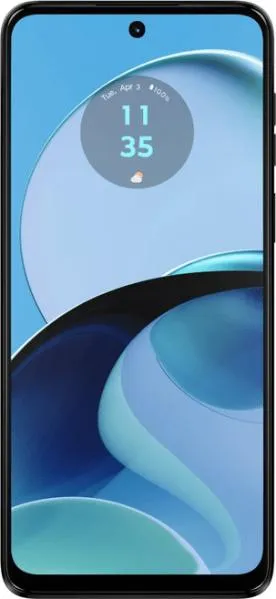
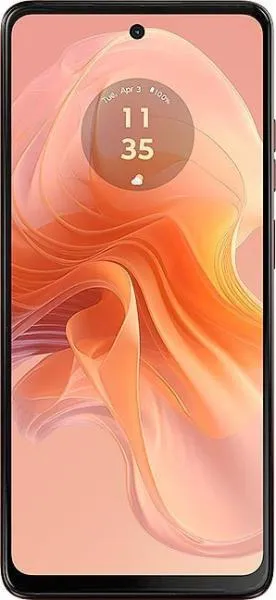
1. Specifications Comparison
| Feature | Motorola Moto G14 | Motorola Moto G04s | Practical Impact |
|---|---|---|---|
| Design | |||
| Dimensions (mm) | 161.5 x 73.8 x 8 | 163.5 x 74.5 x 8 | G14 is slightly smaller and may feel more comfortable in hand. Negligible difference overall. |
| Weight (g) | 177 | 178.8 | Virtually identical weight; no noticeable difference in handling. |
| Display | |||
| Size (inches) | 6.5 | 6.56 | Negligible difference in screen real estate. |
| Type | IPS LCD | IPS LCD | Both offer similar color accuracy and viewing angles. |
| Resolution | 1080 x 2400 | 720 x 1612 | G14 has a significantly sharper display, resulting in clearer text and images. G04s will appear pixelated in comparison. |
| Refresh Rate (Hz) | Not specified | 90 | G04s's 90Hz refresh rate provides smoother scrolling and animations, leading to a more fluid user experience. Lack of data for G14 prevents direct comparison. |
| Pixel Density (PPI) | 405 | 269 | G14 has a much higher pixel density, resulting in significantly sharper images and text. |
| Performance | |||
| Chipset | Unisoc Tiger T616 (12 nm) | Unisoc T606 (12 nm) | T616 generally offers slightly better CPU performance than the T606, potentially resulting in faster app loading and multitasking. |
| CPU | Octa-core (2x2.0 GHz Cortex-A75 & 6x1.8 GHz Cortex-A55) | Octa-core (2x1.6 GHz Cortex-A75 & 6x1.6 GHz Cortex-A55) | G14's faster CPU cores should provide a noticeable performance advantage in demanding tasks. |
| GPU | Mali-G57 MP1 | Mali-G57 MP1 | While the same GPU, the G14's slightly more powerful CPU may offer minor improvements in gaming performance. |
| RAM | 8GB | 4GB | G14's 8GB RAM allows for significantly better multitasking and smoother performance with multiple apps open. |
| Storage | 256GB | 128GB | G14 offers double the storage, allowing users to store more apps, photos, and videos. |
| Battery | |||
| Capacity (mAh) | 5000 | 5000 | Identical battery capacity suggests similar battery life, though real-world usage may vary depending on other factors like display resolution and refresh rate. |
| Other | |||
| OS | Android 13 | Android 14 | G04s ships with a newer Android version, offering potential benefits in terms of features and security updates. |
| NFC | Yes | Yes | Both phones support contactless payments and data transfer. |
| USB | USB Type-C 2.0 | USB Type-C 2.0 | Both use a modern USB standard for charging and data transfer. |
| Sensors | accelerometer, gyro, proximity, Fingerprint (side-mounted) | accelerometer, proximity, Fingerprint (side-mounted) | G14 includes a gyroscope sensor for motion-based gaming and AR applications, which the G04s lacks. |
2. Key Differences Analysis
Moto G14 Advantages:
- Sharper Display: Significantly higher resolution (1080p vs 720p) and pixel density.
- More Powerful Performance: Faster CPU and double the RAM.
- More Storage: 256GB vs 128GB.
- Gyroscope Sensor: Enables motion-based gaming and AR experiences.
Moto G04s Advantages:
- Higher Refresh Rate: Smoother scrolling and animations (90Hz).
- Newer Android Version: Potentially longer software support and newer features.
- Potentially Lower Price: Listed as "medium price" compared to G14's "low price," although specific pricing isn't available.
Trade-offs:
- G14: Older Android Version, Unspecified Refresh Rate.
- G04s: Lower resolution display, less powerful performance, less storage.
3. User Profiles & Recommendations
Moto G14: Ideal for users who prioritize display quality, performance, and storage. Suitable for media consumption, gaming, and multitasking.
Moto G04s: Best for users on a tighter budget who prioritize a smooth user experience and the latest Android features. Suitable for everyday tasks like browsing, social media, and light gaming.
4. Decision Framework
Key Questions:
- What is your budget? The G04s is likely more affordable.
- What is your primary use case? Media consumption and gaming benefit from the G14's superior display and performance.
- How important is software updates and smoothness ? G04s offers a newer Android version and a 90Hz refresh rate.
My Choice: Motorola Moto G14
While the Moto G04s offers a newer Android version and smoother scrolling, the Moto G14's significantly sharper display, superior performance (thanks to the faster processor and more RAM), and larger storage make it the better overall device for my needs. I prioritize a crisp viewing experience and smooth multitasking, which the G14 delivers. The lack of a specified refresh rate for the G14 is a concern, but the substantial difference in resolution and performance outweighs that for me. The double storage is also a significant advantage for long-term use. I am willing to compromise on having the absolute latest Android version for the tangible benefits offered by the G14.
