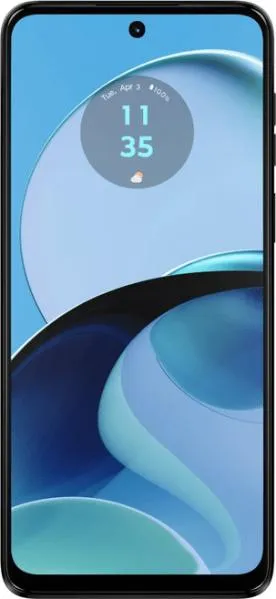
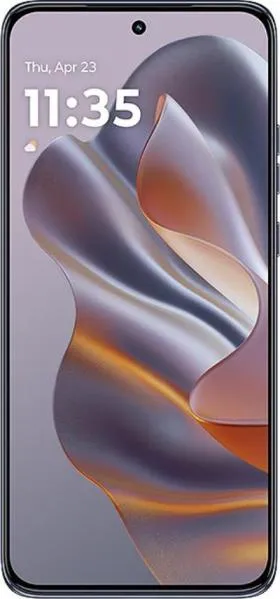
1. Specifications Comparison
| Feature | Motorola Moto G14 | Motorola Edge 50 Neo | Practical Impact |
|---|---|---|---|
| Design | |||
| Dimensions | 161.5 x 73.8 x 8 mm | 154.1 x 71.2 x 8.1 mm | Edge 50 Neo is slightly smaller and thinner, potentially improving one-handed use. |
| Weight | 177g | 171g | Negligible weight difference in practical use. |
| Fingerprint Sensor | Side-mounted | Under-display | Preference-based; under-display is often considered more modern. |
| Display | |||
| Display Type | IPS LCD | LTPO P-OLED | Edge 50 Neo offers significantly better contrast, deeper blacks, and potentially lower power consumption due to OLED technology. |
| Size | 6.5" | 6.4" | Negligible size difference. |
| Resolution | 1080 x 2400 | 1256 x 2760 | Edge 50 Neo has a sharper display with higher pixel density (474 ppi vs 405 ppi), resulting in clearer text and images. |
| Refresh Rate | Not specified | 120Hz | Edge 50 Neo's 120Hz refresh rate delivers smoother animations and scrolling compared to the Moto G14's unspecified refresh rate (likely 60Hz). |
| Peak Brightness | Not specified | 3000 nits | The Edge 50 Neo should offer significantly better outdoor visibility due to its much higher peak brightness. |
| Performance | |||
| Chipset | Unisoc Tiger T616 (12 nm) | Mediatek Dimensity 7300 (4 nm) | The Dimensity 7300, built on a smaller 4nm process, offers significantly better performance and power efficiency compared to the Unisoc T616. |
| CPU | Octa-core (2x2.0 GHz Cortex-A75 & 6x1.8 GHz Cortex-A55) | Octa-core (4x2.5 GHz Cortex-A78 & 4x2.0 GHz Cortex-A55) | Edge 50 Neo will handle demanding tasks and multitasking much more efficiently. |
| GPU | Mali-G57 MP1 | Mali-G615 MC2 | Edge 50 Neo provides a noticeable improvement in graphics performance for gaming and other visually intensive applications. |
| RAM | 8GB | 12GB | More RAM in the Edge 50 Neo allows for smoother multitasking and better performance with multiple apps open. |
| Storage | 256GB | 512GB | Double the storage on the Edge 50 Neo provides ample space for apps, photos, and videos. |
| Battery | |||
| Capacity | 5000 mAh | 4310 mAh | While the Moto G14 has a larger battery capacity, the Edge 50 Neo's more efficient chipset and display could result in comparable or even better battery life. |
| Software | |||
| OS | Android 13 | Android 14 | Edge 50 Neo comes with the latest Android version, offering potential new features and longer software support. |
2. Key Differences Analysis
Motorola Edge 50 Neo Advantages:
- Superior Display: OLED technology, higher resolution, 120Hz refresh rate, and higher brightness significantly enhance the visual experience.
- Significantly Better Performance: The Dimensity 7300 chipset and more RAM offer a much smoother and more responsive user experience.
- More Modern Design: Slightly thinner and lighter, with an under-display fingerprint sensor.
- Latest Software: Android 14 with longer expected software updates.
- Enhanced Video Recording Capabilities: 4K recording and various slow-motion options.
Motorola Moto G14 Advantages:
- Potentially Longer Battery Life: Larger battery capacity, although real-world usage depends on other factors like display and chipset efficiency.
- Lower Price: Positioned in the "low price" range, offering a more budget-friendly option.
3. User Profiles & Recommendations
Motorola Moto G14: Suitable for budget-conscious users who prioritize basic smartphone functionality - calling, texting, web browsing, and light social media usage.
Motorola Edge 50 Neo: Ideal for users who value a premium display, smooth performance for gaming and multitasking, and the latest software features. Good for photography and videography enthusiasts.
4. Decision Framework
Key Questions for Buyers:
- What is your budget? The Moto G14 is a budget option, while the Edge 50 Neo is a mid-range device.
- What are your primary smartphone usage patterns? For basic use, the G14 suffices. For demanding tasks and media consumption, the Edge 50 Neo is superior.
- How important is display quality and performance? The Edge 50 Neo offers a substantial upgrade in these areas.
My Choice: Motorola Edge 50 Neo
While the Moto G14 offers a larger battery and lower price, the Edge 50 Neo provides a significantly better overall user experience. The superior display, performance, and more modern features justify the higher price for most users. The advancements in chipset technology and software make it a more future-proof investment. Unless budget is extremely tight, the Edge 50 Neo is the clear winner. The improved display alone would make a significant difference in daily use, and the performance boost ensures smooth operation for years to come.
