1. Specifications Comparison
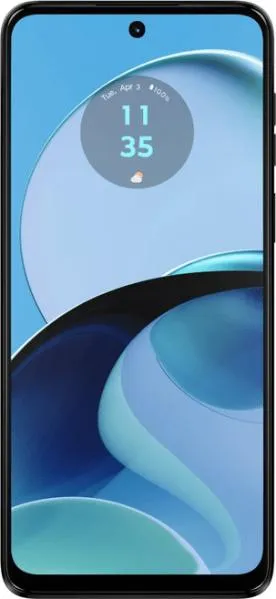
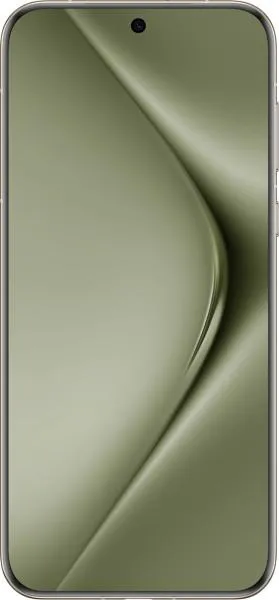
| Feature | Motorola Moto G14 | Huawei Pura 70 Ultra | Practical Impact |
|---|---|---|---|
| Design | |||
| Dimensions (mm) | 161.5 x 73.8 x 8 | 162.6 x 75.1 x 8.4 | The Huawei is slightly larger and thicker. |
| Weight (g) | 177 | 226 | The Moto G14 is significantly lighter, making it more comfortable for extended use. |
| Build Materials | Not specified | Not specified | Cannot compare build quality and durability. |
| Display | |||
| Size (inches) | 6.5 | 6.8 | The Huawei offers a slightly larger screen for more immersive content consumption. |
| Type | IPS LCD | LTPO OLED | The Huawei's OLED display will offer significantly better contrast, deeper blacks, and potentially better power efficiency due to LTPO technology. |
| Resolution | 1080 x 2400 | 1260 x 2844 | The Huawei has a sharper display with a higher pixel density (460 vs 405 ppi). |
| Refresh Rate (Hz) | Not specified | 120 | The Huawei's 120Hz refresh rate will provide a smoother and more responsive user experience, especially for gaming and scrolling. |
| Peak Brightness (nits) | Not specified | 2500 | The Huawei's significantly higher peak brightness ensures excellent outdoor visibility. |
| Performance | |||
| Chipset | Unisoc Tiger T616 (12 nm) | Kirin 9010 (7 nm) | The Kirin 9010 is a flagship-level processor, significantly more powerful than the Unisoc T616. Expect vastly superior performance in demanding tasks and gaming on the Huawei. |
| CPU | Octa-core (2x2.0 GHz Cortex-A75 & 6x1.8 GHz Cortex-A55) | Octa-core (1x2.3 GHz Taishan Big & 3x2.18 GHz Taishan Mid & 4x1.55 GHz Cortex-A510) | The Huawei's CPU architecture suggests a higher performance ceiling. |
| GPU | Mali-G57 MP1 | Not specified | Cannot quantitatively compare GPU performance. However, given the Kirin 9010, the Huawei likely boasts superior graphics capabilities. |
| RAM | 8GB | 16GB | The Huawei having double the RAM will allow for significantly better multitasking and smoother performance with demanding applications. |
| Storage | 256GB | 1000GB | The Huawei offers substantially more storage. |
| Battery | |||
| Capacity (mAh) | 5000 | 5200 | Marginally larger battery on the Huawei, but real-world battery life will depend on optimization and the more demanding display. |
| Software | |||
| OS | Android 13 | Not Specified | Cannot compare OS features and user experience. |
2. Key Differences Analysis
Motorola Moto G14 Advantages:
- Lighter and potentially more affordable: Significantly lighter, making it more comfortable for one-handed use and extended periods. Likely more budget-friendly given the "low price" indication.
Huawei Pura 70 Ultra Advantages:
- Significantly more powerful: The Kirin 9010 and larger RAM provide a massive performance advantage for demanding tasks, gaming, and multitasking.
- Superior Display: The OLED display with 120Hz refresh rate and high brightness delivers a vastly improved visual experience.
- More Storage: Offers substantially more storage for apps, media, and files.
3. User Profiles & Recommendations
Motorola Moto G14:
- Ideal User: Budget-conscious users prioritizing basic smartphone functionality (calling, texting, social media, light browsing) and a lightweight design.
- Use Cases: Everyday communication, casual web browsing, social media consumption.
Huawei Pura 70 Ultra:
- Ideal User: Power users, gamers, and content creators who demand top-tier performance, a premium display, and ample storage. Users who prioritize a premium visual experience and smooth performance above all else.
- Use Cases: Demanding mobile gaming, video editing, multitasking, content creation, media consumption.
4. Decision Framework
Key Questions for Buyers:
- What is your budget? The Moto G14 is likely much more affordable.
- What are your primary smartphone usage patterns? Basic tasks vs. demanding applications and gaming.
- Do you prioritize display quality and performance, or affordability and portability?
Scenario-Based Recommendations:
- Limited Budget, Basic Usage: Moto G14
- Demanding User, Premium Experience: Huawei Pura 70 Ultra
My Choice: Huawei Pura 70 Ultra
While the lack of OS information for the Huawei is a concern, the substantial performance and display advantages are compelling. I prioritize a smooth, responsive user experience, especially for gaming and multitasking. The superior OLED display, high refresh rate, and powerful Kirin processor make the Huawei Pura 70 Ultra the clear winner for my needs, even with the higher price and weight. The significant jump in storage is also a huge benefit for my use case. The Moto G14 is a good budget option, but the performance difference is too substantial to ignore.
