1. Specifications Comparison
| Feature | Motorola Moto G14 | Huawei nova 12i | Practical Impact |
|---|---|---|---|
| Design | |||
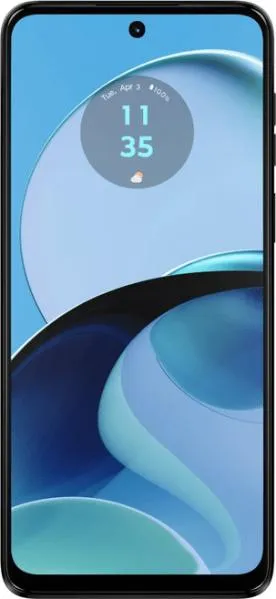
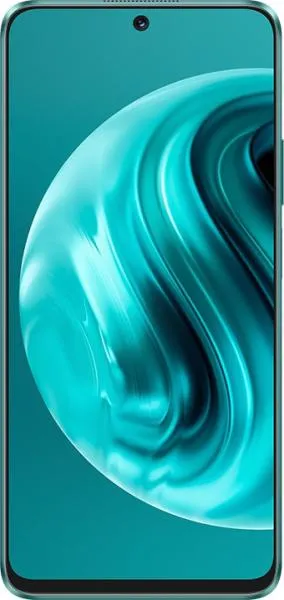
| Dimensions | 161.5 x 73.8 x 8 mm | 163.3 x 74.7 x 8.4 mm | Nova 12i is slightly larger and thicker. |
| Weight | 177g | 199g | G14 is noticeably lighter, improving one-handed use. |
| Build Materials | Not specified | Not specified | Cannot compare build quality and durability. |
| Display | |||
| Size | 6.5" | 6.7" | Nova 12i offers a slightly larger viewing area. |
| Type | IPS LCD | IPS LCD | Similar display technology; expect comparable color accuracy and viewing angles. |
| Resolution | 1080 x 2400 | 1080 x 2388 | Virtually identical pixel density; sharpness will be similar. |
| Refresh Rate | Not specified | 90Hz | Nova 12i's 90Hz refresh rate will provide smoother scrolling and animations. |
| Peak Brightness | Not specified | Not specified | Outdoor visibility comparison is impossible without brightness data. |
| Performance | |||
| Chipset | Unisoc Tiger T616 (12 nm) | Qualcomm Snapdragon 680 4G (6 nm) | Snapdragon 680 generally offers better power efficiency due to the smaller process node (6nm vs 12nm). Performance differences might be noticeable in demanding tasks. |
| CPU | Octa-core (2x2.0 GHz Cortex-A75 & 6x1.8 GHz Cortex-A55) | Octa-core (4x2.4 GHz Cortex-A73 & 4x1.9 GHz Cortex-A53) | CPU architectures differ; Snapdragon 680 likely has a slight edge in sustained performance. |
| GPU | Mali-G57 MP1 | Adreno 610 | Adreno 610 generally offers better gaming performance. |
| RAM | 8GB | 8GB | Both offer the same amount of RAM for multitasking. |
| Storage | 256GB | 256GB | Storage capacity is identical. |
| Software | |||
| OS | Android 13 | Not specified | Cannot compare software features and user experience without OS details for Nova 12i. A critical missing piece of information. |
| Battery | |||
| Capacity | 5000 mAh | 5000 mAh | Similar battery capacity suggests comparable battery life, but real-world usage will depend on software optimization and other factors. |
| Other | |||
| NFC | Yes | Yes | Both support contactless payments. |
| USB | USB Type-C 2.0 | USB Type-C 2.0 | Data transfer speeds will be similar. |
| Sensors | Accelerometer, Gyro, Proximity, Fingerprint (side-mounted) | Accelerometer, Compass, Fingerprint (side-mounted) | G14 has a gyroscope sensor for better motion tracking in games and AR applications. |
| Video Recording | 1080p@30fps | 1080p@30fps | Video recording capabilities are identical. |
2. Key Differences Analysis
Motorola Moto G14 Advantages:
- Lighter: Significantly lighter, making it more comfortable for extended use.
- Gyroscope: Enables better motion sensing for gaming and AR.
- Potentially Lower Price: Belongs to a lower price range.
Huawei nova 12i Advantages:
- Higher Refresh Rate: Smoother scrolling and animations with a 90Hz display.
- More Efficient Chipset: Potentially better battery life and sustained performance with the 6nm Snapdragon 680.
- Slightly Larger Display: Offers a marginally larger screen for media consumption.
Trade-offs:
- Nova 12i: Heavier, potentially more expensive, lacks a gyroscope.
- G14: Lower performance potential, standard 60Hz display refresh rate. Missing OS information makes a complete assessment difficult.
3. User Profiles & Recommendations
Moto G14: Budget-conscious users who prioritize a lightweight phone for everyday tasks like calling, texting, browsing, and casual gaming.
Huawei nova 12i: Users who value a smooth display experience and better battery life, primarily for media consumption, social media, and moderate gaming. This recommendation is tentative due to the lack of OS information.
4. Decision Framework
Key Questions for Buyers:
- What is your budget? The G14 is expected to be more affordable.
- How important is display smoothness? Prioritize the Nova 12i if a high refresh rate is crucial.
- What is your primary usage? G14 for basic tasks, Nova 12i (tentatively) for media consumption and moderate gaming.
Scenario-Based Recommendations:
- Limited Budget: Moto G14
- Smooth Display and Longer Battery Life: Huawei nova 12i (with the caveat of missing OS info).
- Lightest possible phone: Moto G14
My Choice:
I would lean towards the Motorola Moto G14, but with strong reservations due to the missing OS information for the Nova 12i. The significantly lighter weight of the G14 is a major factor for me, as I value comfort for extended use. While the Nova 12i boasts a 90Hz display and potentially better battery life due to the more efficient chipset, the lack of a gyroscope and the higher weight are drawbacks. The unknown OS on the Nova 12i makes it impossible to fully evaluate. If it lacks Google Mobile Services, that would be a significant disadvantage for many users. The potential price difference also favors the G14. Ultimately, the G14 appears to offer a better balance of features for my needs, assuming a significant price difference. A fully informed decision requires the missing OS details for the Nova 12i.
