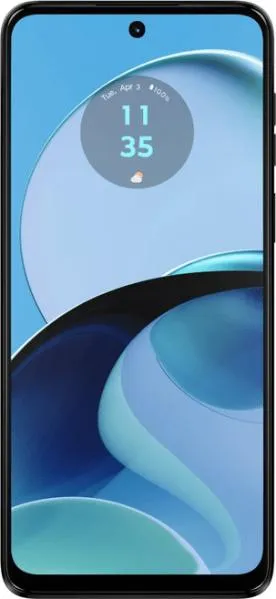
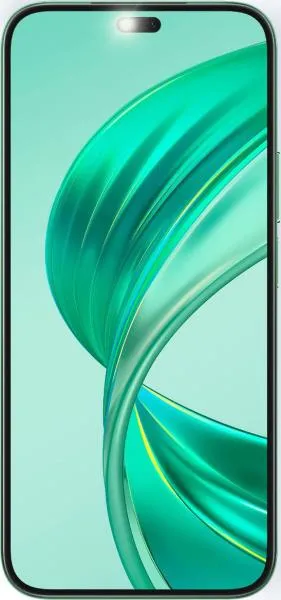
1. Specifications Comparison
| Feature | Motorola Moto G14 | Honor X8b | Practical Impact |
|---|---|---|---|
| Design | |||
| Dimensions | 161.5 x 73.8 x 8 mm | 161.1 x 74.6 x 6.8 mm | Virtually identical in hand feel, though the Honor X8b is slightly thinner. |
| Weight | 177 g | 166 g | The Honor X8b is noticeably lighter, improving one-handed use. |
| Build Materials | Not specified | Not specified | Unable to compare build quality and durability without more information. |
| Display | |||
| Display Type | IPS LCD | AMOLED | The Honor X8b's AMOLED display offers deeper blacks, more vibrant colors, and better power efficiency. |
| Size | 6.5" | 6.7" | The Honor X8b offers a slightly larger screen for more immersive content consumption. |
| Resolution | 1080 x 2400 | 1080 x 2412 | Negligible difference in sharpness. |
| Refresh Rate | Not specified | 90Hz | The Honor X8b's 90Hz refresh rate delivers smoother animations and scrolling, improving overall responsiveness. |
| Peak Brightness | Not specified | 2000 nits | The Honor X8b will be significantly more readable in direct sunlight. |
| Performance | |||
| Chipset | Unisoc Tiger T616 (12 nm) | Qualcomm Snapdragon 680 4G (6 nm) | The Snapdragon 680 in the Honor X8b is generally considered more power-efficient and offers better sustained performance. |
| CPU | Octa-core (2x2.0 GHz Cortex-A75 & 6x1.8 GHz Cortex-A55) | Octa-core (4x2.4 GHz Kryo 265 Gold & 4x1.9 GHz Kryo 265 Silver) | While core configurations differ, real-world performance differences require benchmarking. |
| GPU | Mali-G57 MP1 | Adreno 610 | The Adreno 610 generally offers better gaming performance than the Mali-G57 MP1. |
| RAM | 8GB | 6GB/8GB | Both offer sufficient RAM for multitasking, though the 8GB option on the Honor provides more headroom. |
| Storage | 256GB | 256GB | Equivalent storage capacity. |
| Battery | |||
| Capacity | 5000 mAh | 4500 mAh | The Moto G14 has a larger battery capacity, potentially offering longer battery life despite the less efficient display. Real-world usage will vary. |
| Other | |||
| NFC | Yes | No | The Moto G14 supports contactless payments and data transfer via NFC. This is a significant advantage for some users. |
| OS | Android 13 | Android 13 | Both run on the latest Android version. |
| Sensors | Accelerometer, gyro, proximity, Fingerprint (side-mounted) | Accelerometer, compass, Fingerprint (side-mounted) | The Moto G14 has a gyroscope sensor, important for AR applications and some games. |
2. Key Differences Analysis
Moto G14 Advantages:
- Larger Battery: Potentially longer battery life.
- NFC: Supports contactless payments.
- Gyroscope: Enables AR experiences and enhances gaming.
- Lower Price: Positioned in the "low price" range.
Honor X8b Advantages:
- Superior Display: AMOLED with 90Hz refresh rate and higher brightness provides a significantly better visual experience.
- More Efficient Chipset: Likely results in better performance and battery life under sustained load.
- Lighter and Thinner: More comfortable for one-handed use.
3. User Profiles & Recommendations
Moto G14: Budget-conscious users prioritizing battery life, NFC functionality, and basic smartphone features. Suitable for:
- Casual users primarily using their phone for communication, social media, and light web browsing.
- Users in areas with limited access to charging facilities.
- Users who rely on contactless payments.
Honor X8b: Users prioritizing display quality and a smoother user experience. Suitable for:
- Users who consume a lot of media (videos, games).
- Users who value a responsive and fluid interface.
- Users who prioritize a slim and lightweight design.
4. Decision Framework
Key Questions for Buyers:
- What is your budget? The Moto G14 is significantly more affordable.
- How important is display quality? The Honor X8b offers a vastly superior display.
- Do you need NFC for contactless payments? This is only available on the Moto G14.
My Choice: Honor X8b
While the Moto G14 offers a larger battery and NFC at a lower price point, the Honor X8b's superior display (AMOLED, 90Hz, 2000 nits) and more efficient processor are decisive factors for me. The improved visual experience and smoother performance significantly enhance daily usage. I'm willing to compromise slightly on battery capacity and forgo NFC for the significantly upgraded display and performance. The lighter weight is also a plus. The lack of a gyroscope is a minor drawback but not a dealbreaker for my personal use case. The price difference between "low" and "medium" is assumed to be manageable for me, prioritizing the better user experience.
