1. Specifications Comparison
| Feature | Motorola Moto G14 | Google Pixel 8a | Practical Impact |
|---|---|---|---|
| Design | |||
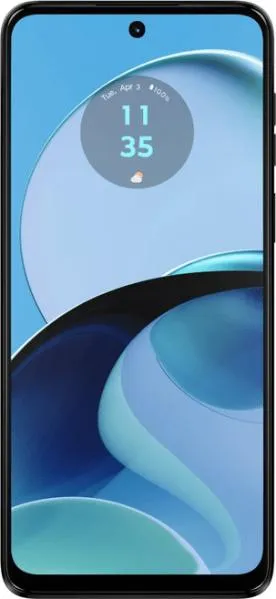
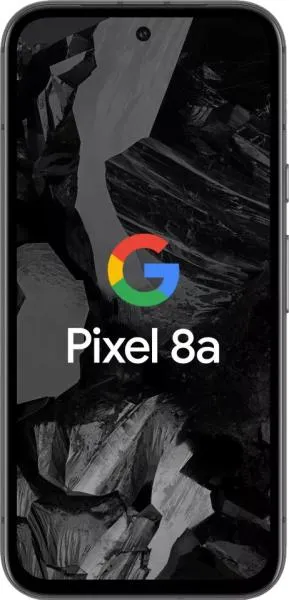
| Dimensions | 161.5 x 73.8 x 8 mm | 152.1 x 72.7 x 8.9 mm | Pixel 8a is slightly shorter, narrower, and thicker. |
| Weight | 177g | 188g | Pixel 8a is noticeably heavier. |
| Build Materials | Not specified | Not specified | Build quality and durability cannot be compared without more information. |
| Display | |||
| Display Type | IPS LCD | OLED, HDR | Pixel 8a offers significantly better contrast, deeper blacks, and more vibrant colors thanks to OLED technology. HDR support further enhances the visual experience. |
| Size | 6.5" | 6.1" | Moto G14 has a larger screen, providing more screen real estate for media consumption. |
| Resolution | 1080 x 2400 | 1080 x 2400 | Both have the same resolution, resulting in similar sharpness. |
| Refresh Rate | Not specified | 120Hz | Pixel 8a's 120Hz refresh rate provides smoother scrolling, animations, and gaming experience compared to the Moto G14's unspecified refresh rate (likely 60Hz). |
| Peak Brightness | Not specified | 2000 nits | Pixel 8a offers superior outdoor visibility, even in direct sunlight. Moto G14's brightness is unknown and cannot be compared. |
| Performance | |||
| Chipset | Unisoc Tiger T616 (12nm) | Google Tensor G3 (4nm) | Pixel 8a's Tensor G3 is significantly more powerful and efficient due to its advanced 4nm architecture. Expect much faster performance and better multitasking. |
| CPU | Octa-core (2x2.0 GHz Cortex-A75 & 6x1.8 GHz Cortex-A55) | Nona-core (1x3.0 GHz Cortex-X3 & 4x2.45 GHz Cortex-A715 & 4x2.15 GHz Cortex-A510) | Pixel 8a possesses a more powerful and modern CPU architecture, resulting in significant performance gains. |
| GPU | Mali-G57 MP1 | Immortalis-G715s MC10 | Pixel 8a offers a vastly superior GPU, enabling smoother gaming and graphics-intensive tasks. |
| RAM | 8GB | 8GB | Both phones have the same amount of RAM, which should provide sufficient multitasking capabilities. |
| Storage | 256GB | 256GB | Storage capacity is equal on both devices. |
| Camera | |||
| Video Capabilities | 1080p@30fps | 4K@30/60fps, 1080p@30/60/120/240fps (OIS) | Pixel 8a provides significantly better video recording capabilities with higher resolution, frame rates, and optical image stabilization (OIS). |
| Battery | |||
| Capacity | 5000 mAh | 4492 mAh | Moto G14 has a slightly larger battery capacity, potentially offering longer battery life. However, real-world usage will depend on software optimization and display efficiency. |
2. Key Differences Analysis
Motorola Moto G14 Advantages:
- Potentially Longer Battery Life: The larger 5000 mAh battery might offer longer usage time.
- Larger Display: Provides more screen real estate.
Google Pixel 8a Advantages:
- Significantly Superior Performance: The Tensor G3 chip provides a massive performance advantage.
- High-Quality Display: OLED with HDR and 120Hz offers vivid colors, deep blacks, and smooth visuals.
- Advanced Camera Capabilities: Superior video recording options with 4K resolution and OIS.
- Faster Charging & Data Transfer: USB Type-C 3.2 provides faster data transfer and charging compared to USB Type-C 2.0 on the Moto G14.
Trade-offs:
- Pixel 8a: Higher price, slightly smaller battery, heavier weight.
- Moto G14: Lower performance, less vibrant display, fewer camera features.
3. User Profiles & Recommendations
Moto G14: Budget-conscious users prioritizing battery life and a large screen for basic tasks like browsing, social media, and light gaming.
Pixel 8a: Users seeking a premium experience with excellent performance, a high-quality display, and advanced camera capabilities for demanding tasks, gaming, and content creation.
4. Decision Framework
Key Questions:
- What is your budget? The Pixel 8a is in a higher price range.
- What are your performance needs? For demanding tasks and gaming, the Pixel 8a is crucial.
- How important is display and camera quality? The Pixel 8a offers a significantly better visual experience.
My Choice: Google Pixel 8a
While the Moto G14 might offer slightly longer battery life, the Pixel 8a's superior performance, stunning display, advanced camera, and future-proof features (like faster USB standard and longer OS support) make it the clear winner for me. The performance difference alone would significantly impact daily usage, making the Pixel 8a a more enjoyable and versatile device in the long run. I prioritize a smooth and responsive user experience, and I'm willing to pay the price premium for the Pixel 8a to achieve that. The 120Hz refresh rate and OLED display are significant upgrades that enhance daily interactions. While battery life is important, the significantly faster charging speeds of USB 3.2 would likely offset the smaller battery capacity in practical usage.
