1. Specifications Comparison
| Feature | Motorola Moto G14 | Google Pixel 8 | Practical Impact |
|---|---|---|---|
| Design | |||
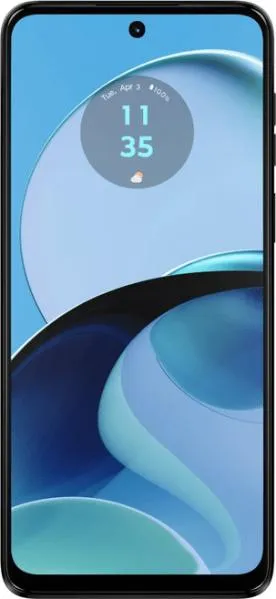
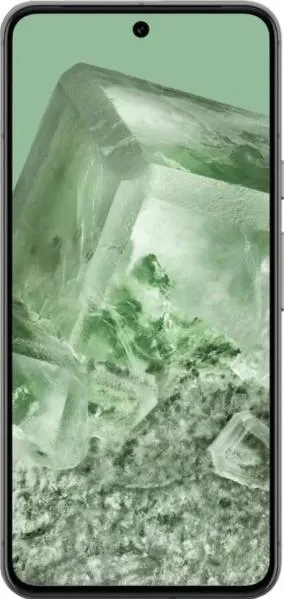
| Dimensions | 161.5 x 73.8 x 8 mm | 150.5 x 70.8 x 8.9 mm | Pixel 8 is slightly smaller and thicker. Moto G14 might feel slightly larger in hand. |
| Weight | 177g | 187g | Pixel 8 is noticeably heavier, potentially impacting one-handed use. |
| Build Materials | Not specified | Not specified | Build quality and durability cannot be compared without more information. |
| Display | |||
| Display Type | IPS LCD | OLED | Pixel 8's OLED offers deeper blacks, higher contrast, and potentially better power efficiency. Moto G14's LCD might be visible in brighter sunlight. |
| Size | 6.5 inches | 6.2 inches | Moto G14 offers a slightly larger screen for media consumption. |
| Resolution | 1080 x 2400 | 1080 x 2400 | Similar sharpness on both devices due to the Pixel 8's smaller screen size resulting in higher pixel density. |
| Refresh Rate | Not specified | 120Hz | Pixel 8 will have significantly smoother scrolling and animations. Missing refresh rate information for the Moto G14 hinders comparison. |
| Peak Brightness | Not specified | 2000 nits | Pixel 8's superior brightness ensures excellent outdoor visibility. Missing brightness information for the Moto G14 limits comparison. |
| Performance | |||
| Chipset | Unisoc Tiger T616 (12 nm) | Google Tensor G3 (4 nm) | Pixel 8's significantly more advanced and efficient chipset will deliver superior performance in demanding tasks and potentially better battery life. |
| CPU | Octa-core (2x2.0 GHz Cortex-A75 & 6x1.8 GHz Cortex-A55) | Nona-core (1x3.0 GHz Cortex-X3 & 4x2.45 GHz Cortex-A715 & 4x2.15 GHz Cortex-A510) | Pixel 8 has a more powerful and modern CPU architecture, translating to faster processing speeds. |
| GPU | Mali-G57 MP1 | Immortalis-G715s MC10 | Pixel 8's much more powerful GPU will offer significantly better gaming and graphics performance. |
| RAM | 8GB | 8GB | Both phones have the same amount of RAM. |
| Storage | 256GB | 256GB | Both phones offer the same storage capacity. |
| Camera | |||
| Video Capabilities | 1080p@30fps | Up to 4K@60fps, 1080p@240fps | Pixel 8 offers significantly superior video recording capabilities with higher resolution, frame rates, and likely better stabilization and image quality. |
| Other Camera Specs | Not specified | Not specified | Detailed camera sensor specifications are needed for a complete comparison. |
| Battery | |||
| Capacity | 5000 mAh | 4575 mAh | Moto G14 has a larger battery capacity, but actual battery life depends on various factors like the display, chipset efficiency, and software optimization. |
| Charging Speed | Not specified | Not specified | Charging speeds cannot be compared without more information. |
2. Key Differences Analysis
Motorola Moto G14 Advantages:
- Potentially longer battery life: Larger battery capacity suggests potential for longer usage between charges, but this needs real-world testing to confirm.
- Slightly larger display: Might be preferred for media consumption.
Google Pixel 8 Advantages:
- Significantly higher performance: The Tensor G3 chip provides a massive leap in processing power for demanding tasks and gaming.
- Superior display: OLED technology offers better contrast, deeper blacks, and a 120Hz refresh rate for smoother visuals.
- More advanced camera features: Significantly better video recording capabilities.
- Faster and more modern USB standard: USB Type-C 3.2 enables faster data transfer and charging (assuming compatible charger is used).
3. User Profiles & Recommendations
Motorola Moto G14: Budget-conscious users prioritizing basic functionality, long battery life, and a large screen for media consumption.
Google Pixel 8: Users who demand high performance, a premium display, advanced camera features, and the latest Android updates.
4. Decision Framework
Key Questions for Buyers:
- What is your budget? The Moto G14 is a "low price" option while the Pixel 8 is "medium price".
- What are your performance needs? For demanding tasks and gaming, the Pixel 8 is vastly superior.
- How important is display quality and camera performance? The Pixel 8 offers a noticeable upgrade in both areas.
My Choice: Google Pixel 8
While the Moto G14 might offer longer battery life due to its larger battery, the Pixel 8's superior performance, display, camera, and software make it a significantly better overall device. The Tensor G3 chip and 120Hz OLED display alone offer a vastly improved user experience. The more modern USB standard also offers future-proofing. Even with a price premium, the Pixel 8 provides substantially more value for the majority of users. The lack of key specifications for the Moto G14, such as refresh rate and brightness, makes a thorough comparison challenging, but the available information strongly favors the Pixel 8.
