1. Specifications Comparison
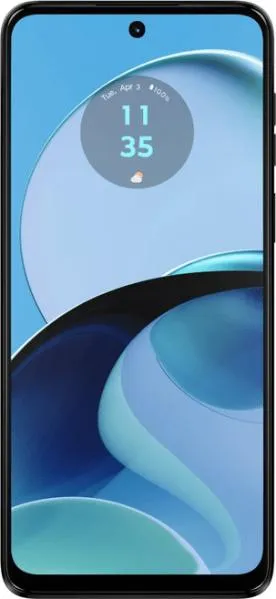
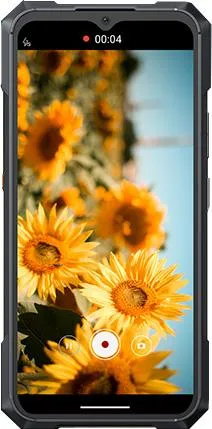
| Feature | Motorola Moto G14 | Cubot KingKong X | Practical Impact |
|---|---|---|---|
| Design | |||
| Dimensions | 161.5 x 73.8 x 8 mm | 170.9 x 82.2 x 18.7 mm | The KingKong X is significantly larger and thicker, likely more rugged but less pocketable. |
| Weight | 177g | 388g | The KingKong X is more than twice as heavy, impacting one-handed use and portability. |
| Build Materials | Not specified | Not specified | Build material information is crucial for durability assessment; lacking this data limits analysis. |
| Display | |||
| Size | 6.5" | 6.58" | Negligible size difference in real-world usage. |
| Type | IPS LCD | IPS LCD | Both offer similar color accuracy and viewing angles, generally considered inferior to AMOLED. |
| Resolution | 1080 x 2400 | 1080 x 2408 | Virtually identical resolution; sharpness will be comparable. |
| Refresh Rate | Not specified | 120Hz | 120Hz refresh rate on the KingKong X provides smoother scrolling and animations, enhancing user experience. |
| Peak Brightness | Not specified | Not specified | Missing data prevents comparison of outdoor visibility. |
| Performance | |||
| Chipset | Unisoc Tiger T616 (12 nm) | Mediatek Dimensity 7050 (6 nm) | The Dimensity 7050, built on a smaller process node, should offer significantly better performance and power efficiency. |
| CPU | Octa-core (2x2.0 GHz Cortex-A75 & 6x1.8 GHz Cortex-A55) | Octa-core (2x2.6 GHz Cortex-A78 & 6x2.0 GHz Cortex-A55) | KingKong X boasts faster and more powerful CPU cores, translating to smoother multitasking and faster app loading. |
| GPU | Mali-G57 MP1 | Mali-G68 MC4 | The KingKong X's GPU is considerably more powerful, enabling better gaming performance and graphics rendering. |
| RAM | 8GB | 16GB | Double the RAM on KingKong X allows for more apps to run in the background without performance slowdown. |
| Storage | 256GB | 512GB | KingKong X offers double the storage, beneficial for users who store large files or numerous apps. |
| Battery | |||
| Capacity | 5000 mAh | 10200 mAh | KingKong X has substantially larger battery capacity, promising significantly longer usage time. |
| Other | |||
| OS | Android 13 | Android 14 | KingKong X comes with a newer Android version, offering potential features and security updates. |
| NFC | Yes | Yes | Both support contactless payments and data transfer. |
| USB | USB Type-C 2.0 | USB Type-C, OTG | KingKong X's OTG (On-The-Go) allows connection to peripherals like USB drives and keyboards. |
| Video Capabilities | 1080p@30fps | 4K@30fps, 1080p@30fps | KingKong X can record videos at a higher resolution. |
2. Key Differences Analysis
Motorola Moto G14 Advantages:
- Lighter and More Compact: Significantly easier to carry and use one-handed.
- Potentially Lower Price: Belonging to the "low price" range, it likely offers better affordability.
Cubot KingKong X Advantages:
- Significantly More Powerful: Superior CPU, GPU, and RAM ensure a smoother and faster user experience.
- Much Larger Battery: Provides significantly longer usage time between charges.
- Higher Refresh Rate Display: Smoother and more responsive visuals.
- Larger Storage Capacity: Accommodates more apps, photos, and videos.
- Newer Android Version: Access to the latest features and security updates.
- 4K Video Recording: Captures higher resolution videos.
3. User Profiles & Recommendations
Motorola Moto G14: Suitable for budget-conscious users who prioritize basic smartphone functionalities like calling, texting, web browsing, and light social media usage. Good for users who prefer a lightweight and compact phone.
Cubot KingKong X: Ideal for power users, gamers, and those who consume a lot of media. The large battery is excellent for heavy usage or extended trips without charging. It also suits users who prioritize performance and the latest features.
4. Decision Framework
Key Questions for Buyers:
- What is your budget? The Moto G14 is likely much more affordable.
- What are your primary smartphone usage patterns? Light users might find the Moto G14 sufficient, while power users will appreciate the KingKong X's performance.
- How important is battery life and screen refresh rate? The KingKong X excels in these areas.
My Choice: Cubot KingKong X
While the Motorola Moto G14 might be a good budget option, the Cubot KingKong X offers significantly better value for the potentially higher price. The vastly improved performance, massive battery, higher refresh rate display, and larger storage make it a more future-proof and versatile device. The weight and size might be a drawback, but the benefits outweigh the compromises for me. I prioritize performance, battery life, and a smooth user experience, making the KingKong X the clear winner.
