1. Specifications Comparison
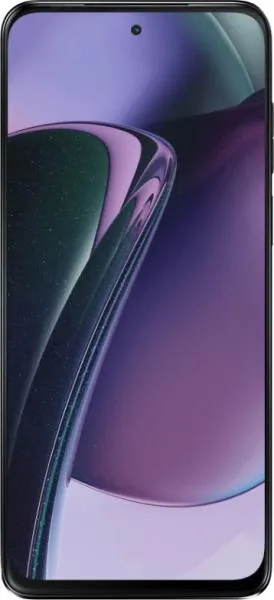
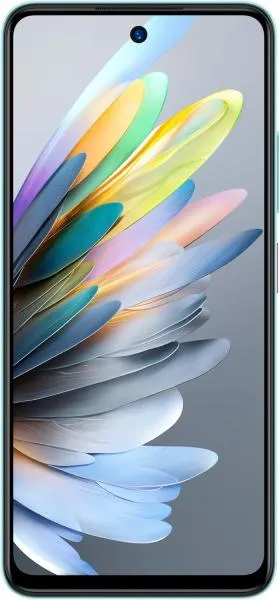
| Feature | Motorola Moto G Stylus 5G (2023) | ZTE Blade A75 4G | Practical Impact |
|---|---|---|---|
| Design | |||
| Dimensions (mm) | 162.8 x 73.8 x 9.2 | 164.1 x 75.8 x 8.6 | Moto is slightly smaller and thinner. |
| Weight (g) | 202 | 189 | ZTE is noticeably lighter. |
| Build | Unspecified | Unspecified | Build quality and material differences are unknown. |
| Display | |||
| Size (inches) | 6.6 | 6.6 | Same size. |
| Resolution (px) | 1080 x 2400 | 720 x 1612 | Moto has a significantly sharper display (399 ppi vs 267 ppi), resulting in crisper text and images. |
| Refresh Rate (Hz) | 120 | 90 | Moto's higher refresh rate delivers smoother scrolling and animations. |
| Display Type | IPS LCD | IPS LCD | Both use IPS LCD technology, implying similar color accuracy and viewing angles. However, specific panel quality can vary. |
| Performance | |||
| Chipset | Snapdragon 6 Gen 1 (4 nm) | Unisoc T606 (12 nm) | Moto's processor is significantly more powerful, enabling smoother multitasking, faster app loading, and better gaming performance. The 4nm process also suggests better power efficiency. |
| CPU | Octa-core (4x2.2 GHz Cortex-A78 & 4x1.8 GHz Cortex-A55) | Octa-core (2x1.6 GHz Cortex-A75 & 6x1.6 GHz Cortex-A55) | Moto's CPU has faster cores, translating to a more responsive user experience. |
| GPU | Adreno 710 | Mali-G57 MP1 | Moto's GPU is more powerful, improving gaming and graphics-intensive tasks. |
| RAM (GB) | 8 | 8 (version dependent) | RAM is comparable in the 8GB versions, enabling good multitasking. ZTE offers a 4GB version, which might limit performance. |
| Storage | 256GB (version dependent) | 256GB (version dependent) | Storage is comparable in the 256GB versions. ZTE offers a 128GB version as well. |
| Camera | |||
| Main Camera (MP) | 50 | 50 | Megapixel count is similar, but sensor quality and image processing are unknown, making a direct comparison difficult. |
| Video Recording | 4K@30fps, 1080p@60fps | 1080p@30fps | Moto offers higher resolution and frame rate video recording capabilities. |
| Front Camera (MP) | 16 | 8 | Moto has a higher resolution front camera. |
| Battery | |||
| Capacity (mAh) | 5000 | 5000 | Similar battery capacity, though real-world battery life depends on optimization and usage. |
2. Key Differences Analysis
Motorola Moto G Stylus 5G (2023) Advantages:
- Significantly better performance: The Snapdragon 6 Gen 1 outperforms the Unisoc T606, offering a smoother and more responsive experience.
- Sharper and smoother display: The higher resolution and refresh rate make for a more enjoyable visual experience.
- Superior video recording: 4K recording and higher frame rates provide more detailed and smoother videos.
- More comprehensive 5G band support: Offers broader compatibility with different 5G networks globally. Stylus functionality for note-taking and drawing.
ZTE Blade A75 4G Advantages:
- Lighter weight: More comfortable for extended use.
- Lower price: Offers a more budget-friendly option.
- Dual SIM: Supports two SIM cards simultaneously for users with multiple numbers.
3. User Profiles & Recommendations
Motorola Moto G Stylus 5G (2023): Ideal for users who prioritize performance, a good display, and 5G connectivity. Suitable for gaming, media consumption, and multitasking. The stylus makes it a good choice for students or note-takers.
ZTE Blade A75 4G: Best suited for budget-conscious users who prioritize basic functionality and long battery life. Suitable for light usage like calling, texting, and web browsing. The dual SIM is beneficial for travelers or those with multiple phone numbers.
4. Decision Framework
Key Questions for Buyers:
- What is your budget? The ZTE is significantly cheaper.
- What level of performance do you need? The Moto offers a much better performance experience.
- What are your primary use cases? The Moto is better for gaming and media consumption, while the ZTE is sufficient for basic tasks. Stylus support on the Moto may be crucial for some.
My Choice: Motorola Moto G Stylus 5G (2023)
While the ZTE Blade A75 4G is a more budget-friendly option, the Motorola Moto G Stylus 5G (2023) offers a significantly better overall package. The superior processor, display, and camera, along with 5G connectivity and stylus functionality, justify the higher price for most users. The performance difference will be noticeable in daily use, and the sharper display provides a much more enjoyable viewing experience. The ZTE's only significant advantages are its lighter weight and lower price, which might not be enough to outweigh the Moto's superior features for many users. Ultimately, the Moto provides a more future-proof and satisfying smartphone experience.
