1. Specifications Comparison
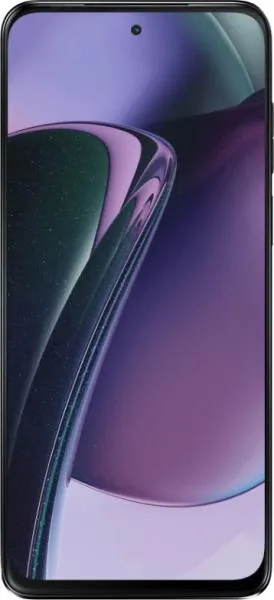
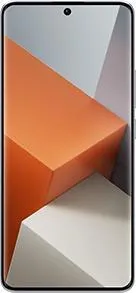
| Feature | Motorola Moto G Stylus 5G (2023) | Xiaomi Redmi Note 13 Pro+ | Practical Impact |
|---|---|---|---|
| Design | |||
| Dimensions (mm) | 162.8 x 73.8 x 9.2 | 161.4 x 74.2 x 8.9 | Redmi is slightly shorter and thinner. Negligible difference in daily use. |
| Weight (g) | 202 | 199 | Virtually identical weight. |
| Build Material | Not specified | Not specified | Cannot compare build quality and durability. |
| Display | |||
| Display Type | IPS LCD, 120Hz | AMOLED, 120Hz, Dolby Vision, HDR10+ | Redmi offers significantly better contrast, colors, and HDR support resulting in a superior viewing experience. |
| Display Size (inches) | 6.6 | 6.67 | Negligible difference in size. |
| Resolution | 1080 x 2400 | 1220 x 2712 | Redmi has a sharper display with higher pixel density (446 ppi vs 399 ppi). |
| Peak Brightness | Not specified | 1800 nits | Redmi's much higher peak brightness ensures better outdoor visibility. |
| Performance | |||
| Chipset | Snapdragon 6 Gen 1 (4 nm) | Dimensity 7200 Ultra (4 nm) | Dimensity 7200 Ultra generally offers better performance in benchmarks, translating to smoother multitasking and potentially better gaming. |
| CPU | Octa-core (4x2.2 GHz Cortex-A78 & 4x1.8 GHz Cortex-A55) | Octa-core (2x2.8 GHz Cortex-A715 & 6x2.0 GHz Cortex-A510) | Redmi likely has a performance advantage due to faster prime cores and newer architecture. |
| GPU | Adreno 710 | Mali-G610 MC4 | Both GPUs are capable, but Adreno 710 generally has a slight edge in gaming performance. However, real-world difference might be minimal. |
| RAM | 8GB (as tested) | 8GB/12GB | Redmi offers configurations with more RAM, enabling better multitasking for power users. |
| Camera | |||
| Main Camera | 50MP, f/1.88 | 200MP, f/1.65, OIS | Redmi boasts a much higher resolution sensor and a wider aperture, potentially capturing more detail and performing better in low light. |
| Ultrawide | 8MP, f/2.2 | 8MP, f/2.2 | Similar ultrawide cameras on paper. |
| Selfie Camera | 16MP, f/2.5 | 16MP, f/2.4 | Redmi's slightly wider aperture might provide a slight advantage in low-light selfies. |
| Video Recording | 4K@30fps | 4K@30fps with EIS | Both can record 4K video, but Redmi features Electronic Image Stabilization (EIS) for smoother footage. |
| Battery | |||
| Capacity | 5000 mAh | 5000 mAh | Identical battery capacities. Real-world battery life will depend on software optimization and usage patterns. |
| Charging Speed | Not specified | Not specified | Cannot compare charging speeds. |
2. Key Differences Analysis
Motorola Moto G Stylus 5G (2023) Advantages:
- Stylus Support: The key differentiator is the integrated stylus, enabling note-taking, sketching, and precise on-screen interaction.
- Potentially Lower Price: Depending on the configuration and retailer, the Moto G Stylus might be more affordable.
Xiaomi Redmi Note 13 Pro+ Advantages:
- Superior Display: The AMOLED display with HDR10+ and Dolby Vision support provides a significantly better visual experience.
- Higher Resolution Camera: The 200MP main camera promises more detail and potentially better low-light performance.
- Faster Performance: The Dimensity 7200 Ultra generally outperforms the Snapdragon 6 Gen 1.
- Video Stabilization: EIS ensures smoother video recording.
3. User Profiles & Recommendations
Motorola Moto G Stylus 5G (2023): Ideal for budget-conscious users who prioritize note-taking, sketching, or precise on-screen interaction. Students, artists, and those who prefer a stylus for navigation would benefit.
Xiaomi Redmi Note 13 Pro+: Suitable for users who value a premium multimedia experience, prioritize camera quality, and demand smooth performance. Mobile gamers, photography enthusiasts, and those who consume a lot of video content would appreciate this phone.
4. Decision Framework
Key Questions for Buyers:
- Is a stylus essential? If yes, the Moto G Stylus is the only option.
- What is your budget? The Moto G Stylus is likely more affordable.
- Which aspects are most important? Prioritize display quality, camera, and performance? Choose the Redmi. Prioritize note-taking and affordability? Choose the Motorola.
My Choice: Xiaomi Redmi Note 13 Pro+
While the stylus on the Moto G Stylus is a unique feature, the Redmi Note 13 Pro+ offers a significantly better overall package. The superior AMOLED display, higher resolution camera with OIS, and the more powerful processor make it a more compelling device for my needs. I prioritize a great multimedia experience and smooth performance, and the Redmi delivers on those fronts. Even if the price is slightly higher, the value proposition of the Redmi Note 13 Pro+ is stronger for me. The lack of specific charging speed information for both phones is a minor concern, but the readily available information points towards a clear advantage for the Redmi in most other aspects.
